Table of Contents
- Why Risks of Delaying Dog Dental Work Matter
- Signs of Periodontal Disease in Dogs
- Systemic Health Consequences of Untreated Dental Disease
- How Often Should Dogs Get Teeth Cleaned
Last Updated: August 9, 2026
Why Risks of Delaying Dog Dental Work Matter
Dental disease in dogs extends far beyond bad breath. When pet owners delay professional dental care, bacteria from infected gums enter the bloodstream, triggering inflammation and infection throughout the body. What starts as plaque buildup becomes tartar, then periodontal disease, eventually affecting the heart, kidneys, and other vital organs.
Many pet owners assume their dog’s teeth will be fine without regular cleanings. Untreated dental disease doesn’t stay localized, the longer you wait, the more damage accumulates and the more complex and costly treatment becomes.
This guide covers what happens when dental care gets postponed, why risks compound over time, and how preventative care protects your dog’s overall health.
Signs of Periodontal Disease in Dogs
Periodontal disease is an infection of the tissues surrounding the teeth, starting with gum inflammation and progressing to bone loss if left untreated. Early detection makes treatment far simpler and less invasive.
Bad breath is the most obvious indicator, not normal "dog breath," but noticeably foul odor. Reddened or swollen gums, visible tartar buildup, and bleeding when chewing are red flags. Some dogs drool excessively or show reluctance to eat hard food. As disease progresses, you may notice loose teeth, pawing at the mouth, or decreased playfulness. In advanced cases, facial swelling or visible gaps between tooth and gum appear, by this stage, irreversible bone loss has occurred.
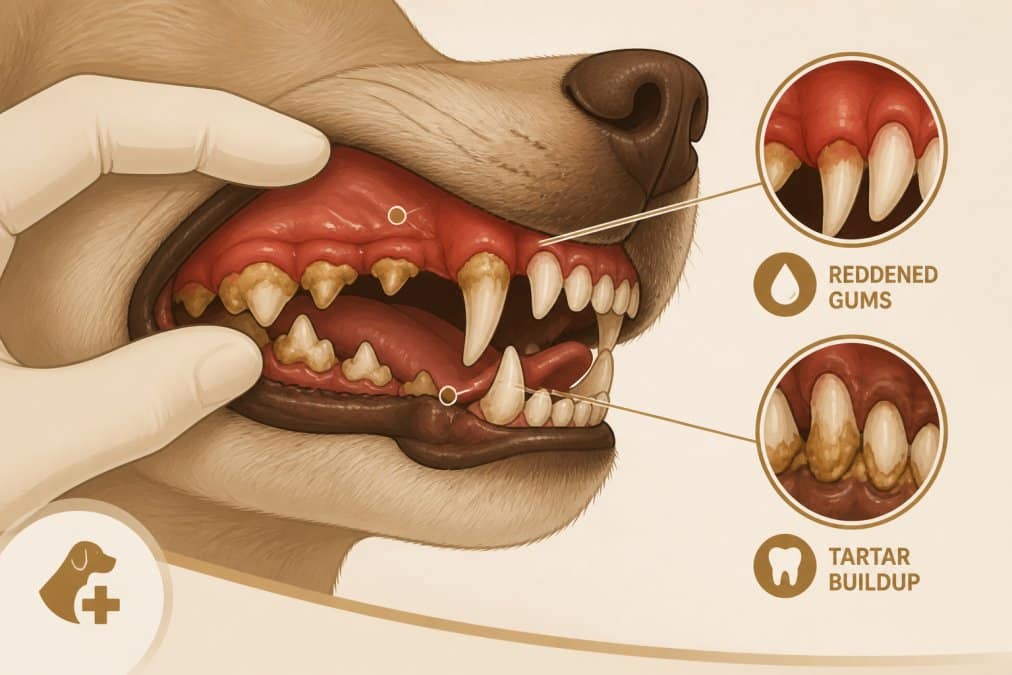
(/blog/6-signs-your-pet-needs-urgent-dental-care/) Periodontal Disease in Dogs]
Early-stage periodontal disease is often invisible to the untrained eye. Beneath the gumline, bacteria destroy the periodontal pocket that holds teeth in place. Professional dental radiographs reveal disease progression before symptoms become obvious. Regular at-home exams help catch changes early, gently lift your dog’s lip and look for redness, swelling, or tartar. If you notice any changes, schedule a veterinary evaluation immediately.
Systemic Health Consequences of Untreated Dental Disease
Bacteria from infected gums enter the bloodstream through damaged tissue, a process called bacteremia. Once in circulation, these bacteria lodge in the heart, kidneys, liver, and lungs, triggering chronic inflammation and infection.
Heart disease is one of the most serious consequences. Bacteria colonizing heart valves cause endocarditis, a potentially fatal infection. Dogs with existing heart murmurs face particular risk, as dental disease accelerates their decline. Kidney function deteriorates when bacteria reach the kidneys, and chronic inflammation stresses these organs, reducing their ability to filter waste. For senior dogs already experiencing age-related kidney decline, dental disease accelerates kidney failure.
Liver function also suffers under constant infection stress, reducing its capacity to process toxins. Chronic periodontal inflammation triggers systemic inflammatory response that weakens immune function and ages dogs faster. Delaying dental care means accepting these risks, each month without treatment allows bacteria to spread deeper and systemic damage to accumulate.
How Often Should Dogs Get Teeth Cleaned
Professional dental cleanings should typically occur annually for most adult dogs, though frequency depends on individual risk factors. Dogs with existing periodontal disease, small breeds prone to dental problems, or senior dogs may need cleanings every six months.
Plaque begins forming immediately after cleaning. Within weeks, plaque hardens into tartar. By six months, significant accumulation has occurred in dogs prone to dental disease. Small breeds like Chihuahuas, Yorkies, and Dachshunds develop dental disease earlier and more aggressively due to crowding that traps food and bacteria.
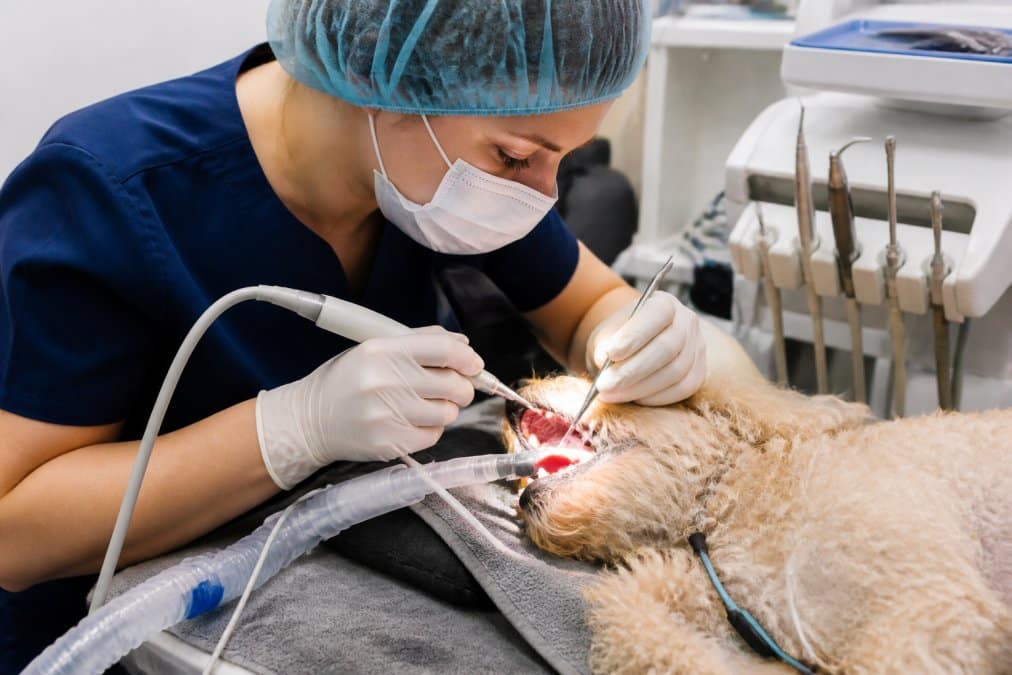
Regular cleanings prevent disease progression and are far less invasive than treating advanced periodontal disease. Professional cleanings remove tartar both above and below the gumline, something brushing alone cannot accomplish. The subgingival cleaning reaches below the gumline where most disease occurs and requires anesthesia and specialized equipment.
Modern anesthesia protocols are remarkably safe when proper pre-anesthetic bloodwork is performed. A veterinary team can identify underlying health issues before anesthesia and adjust protocols accordingly. The risks of anesthesia for a necessary dental cleaning are far lower than the risks of untreated dental disease.
Delaying dog dental work creates a cascade of problems extending far beyond the mouth. Periodontal disease damages not just teeth but the heart, kidneys, and entire systemic health. CorePet focuses on dental surgery and other essential procedures through our Spay Neuter Dental service, using advanced surgical techniques and modern equipment to ensure safe, effective treatment. Early intervention and regular professional cleanings prevent serious complications that develop when dental care is postponed.
If your dog shows signs of dental disease or hasn’t had a professional cleaning in over a year, contact CorePet in Bedford, New Hampshire to schedule an evaluation. Professional dental care protects your dog’s health and quality of life.
Frequently Asked Questions
What are the long-term health consequences of untreated periodontal disease in dogs?
Untreated periodontal disease can lead to chronic inflammation, bacteremia (bacteria entering the bloodstream), and infection spreading to vital organs including the heart, kidneys, and liver. Dogs may experience tooth loss, bone loss in the jaw, and oral pain that affects eating and quality of life. Early intervention through professional dental cleaning prevents these serious complications and protects your dog's overall health.
How can I tell if my dog is in pain from dental issues?
Signs of oral pain include difficulty eating, dropping food, excessive drooling, bad breath, pawing at the mouth, swollen face or jaw, and behavioral changes like reluctance to play. Some dogs hide pain well, so regular at-home dental exams, gently lifting your dog's lips to check for redness, swelling, or visible tartar, help catch early signs of periodontal disease before pain becomes severe.
Why is anesthesia necessary for thorough dog dental cleanings?
Anesthesia allows veterinarians to safely clean below the gum line (subgingival cleaning), where the most damaging plaque and tartar accumulate. Without anesthesia, only surface cleaning is possible, leaving disease-causing bacteria untouched. Anesthesia also allows proper scaling, polishing, and dental radiographs to assess bone loss and tooth viability, critical steps that non-anesthetic cleanings cannot provide.
Is it safe to perform dental cleanings on senior dogs?
Yes, when proper precautions are taken. Pre-anesthetic bloodwork assesses kidney function, liver function, and overall vital organ health to ensure the dog can safely tolerate anesthesia. Many senior dogs benefit greatly from dental cleaning, as the risks of untreated periodontal disease, including systemic infection and organ damage, often outweigh anesthetic risk when bloodwork confirms suitability. A consultation with your veterinarian determines if your senior dog is a good candidate.
This article was written using GrandRanker