Last Updated: August 16, 2026
Why Professional Pet Dental Cleaning Matters
Professional pet dental cleaning prevents systemic health crises by stopping bacteria from infected gums and decaying teeth from entering the bloodstream and damaging the heart, kidneys, and liver. Scaling removes tartar below the gumline where brushing can’t reach, and polishing smooths tooth surfaces, making plaque reattachment harder. Dental radiographs reveal hidden fractures, root infections, and bone loss that determine whether a tooth can be saved, all performed safely with modern anesthesia protocols and pre-operative bloodwork.
How Often Should Dogs Get Teeth Cleaned
Most dogs benefit from professional dental cleaning every 12 months, though small breeds like Chihuahuas and Yorkies may need cleaning every 6 to 9 months, while larger breeds often require 12- to 18-month intervals. Dogs whose teeth are brushed daily may extend intervals to 18 or 24 months, but most pet owners don’t brush consistently enough to prevent professional cleaning needs. Your veterinarian should assess your pet’s teeth at annual exams and recommend a schedule based on actual condition.
Signs of Periodontal Disease in Pets
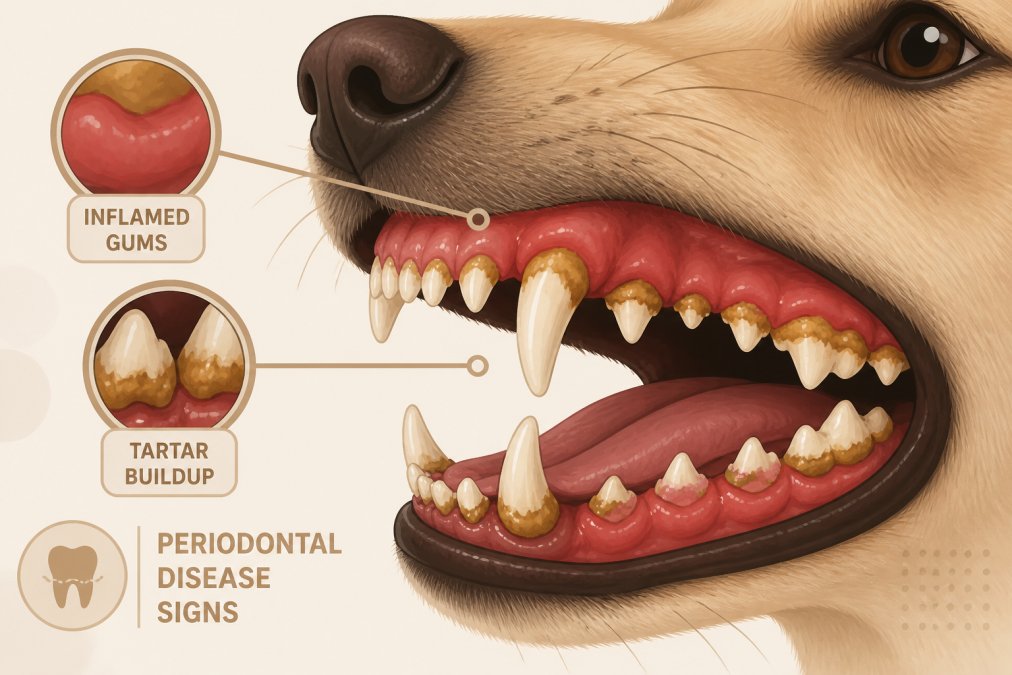
Halitosis beyond typical dog breath indicates bacterial overgrowth, while visible tartar along the gumline shows plaque has hardened beyond brushing removal. Red or swollen gums signal inflammation, and behavioral changes like one-sided chewing or reluctance to chew hard treats suggest dental pain. Tooth mobility, missing teeth, facial swelling, or discharge indicate advanced disease requiring immediate attention. Early periodontal disease causes no obvious symptoms, making professional dental exams essential even when your pet seems fine.
What Happens During Pet Dental Cleaning Procedure Steps
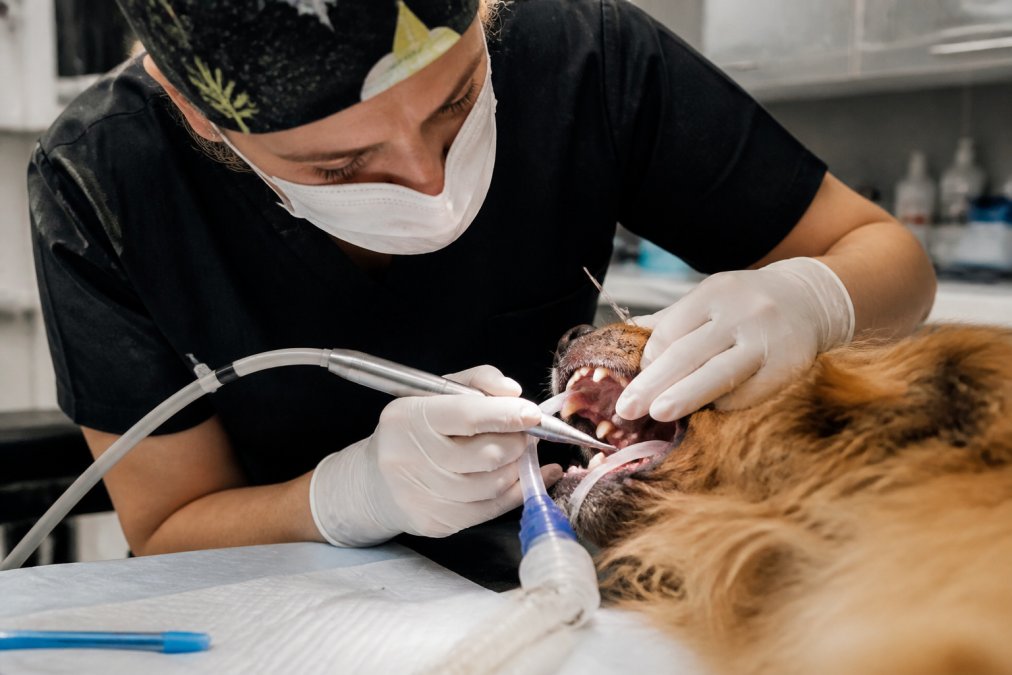
Pre-operative assessment includes oral exam, dental radiographs, and bloodwork to ensure anesthesia safety. Anesthesia induction uses modern protocols with intubation and continuous monitoring. Scaling removes tartar above and below the gumline, polishing smooths tooth surfaces resisting plaque reattachment, and extraction removes fractured or unsalvageable teeth. Pain management begins during the procedure and continues at home, with most pets returning to normal activity the next day.
Benefits of Professional Pet Dental Cleaning: Why It Matters
Professional cleaning prevents tooth loss by removing calculus and bacteria that destroy supporting bone, reduces oral pain from infected roots and inflamed gums, protects organ health by reducing bacterial load entering the bloodstream, improves eating and nutrition by eliminating pain-related eating avoidance, and extends lifespan through reduced systemic infection and inflammation.
Cost Transparency and Payment Options
CorePet provides transparent pricing on our website. CareCredit functions as a healthcare credit card allowing financing over time with promotional interest-free periods. Pet insurance can offset costs, Trupanion covers dental illnesses and injuries; Fetch offers full-mouth dental coverage; Embrace covers dental accidents fully; Lemonade Pet Insurance offers optional dental coverage.
At-Home Maintenance vs. Professional Intervention
Daily brushing removes plaque before it hardens but cannot reach below the gumline or remove calculus. Dental treats and kibble slow plaque accumulation through mechanical abrasion, while water additives reduce oral bacteria modestly. Professional cleaning removes what at-home care cannot, scaling below the gumline and treating established periodontal disease require professional equipment and focus. Combine both approaches: establish at-home care routines, use dental-supportive products, and schedule professional cleanings based on your veterinarian’s recommendations.
Local Resources in New Hampshire
CorePet, located in Bedford, New Hampshire, focuses exclusively on dental surgery, spay, and neuter procedures. Spay Neuter Dental services are integrated into our comprehensive approach, ensuring that pets receiving spay or neuter procedures also benefit from professional dental assessment and cleaning when needed. New Hampshire Veterinary Dentistry is a mobile service bringing advanced dental care, including root canal therapy and periodontal treatment, to veterinary hospitals throughout Southern New Hampshire.
Key Takeaways
- Professional dental cleaning removes tartar below the gumline, preventing systemic organ damage and tooth loss
- Most dogs benefit from annual cleanings; small breeds may need more frequent care
- Early signs include halitosis, visible tartar, and red gums
- Modern anesthesia is safe with pre-operative bloodwork and monitoring
- At-home care complements but cannot replace professional cleaning
- New Hampshire residents have access to focused surgical centers prioritizing quality care
Ready to protect your pet’s oral and systemic health? CorePet focuses exclusively on dental procedures and spay/neuter surgery, bringing advanced surgical techniques and transparent pricing to pet owners throughout New Hampshire. Schedule a dental consultation to assess your pet’s needs and discuss a cleaning plan tailored to their individual health profile.
This article was written using GrandRanker