Table of Contents
- Why Pre-Anesthetic Blood Work Matters Before Pet Surgery
- Veterinary Blood Chemistry Panels Explained: Organ Function and Anesthetic Risk
- Veterinary Anesthesia Safety Protocols and Your Pet’s Preparation Checklist
- Frequently Asked Questions
Last Updated: September 27, 2026
Why Pre-Anesthetic Blood Work Matters Before Pet Surgery
Pre-anesthetic blood work is a set of blood tests run before surgery to check how well your pet’s organs are working. This guide covers what those tests look for and why they matter for dogs, cats, and rabbits in New Hampshire.
The American Veterinary Medical Association notes that a pre-surgical screening guide helps veterinary teams spot hidden problems before anesthesia begins. Many pet owners are surprised to learn that a pet can look perfectly healthy and still have early kidney or liver changes.
A complete blood count checks red and white blood cells, while a serum chemistry profile checks organ function, blood glucose, and hydration status.
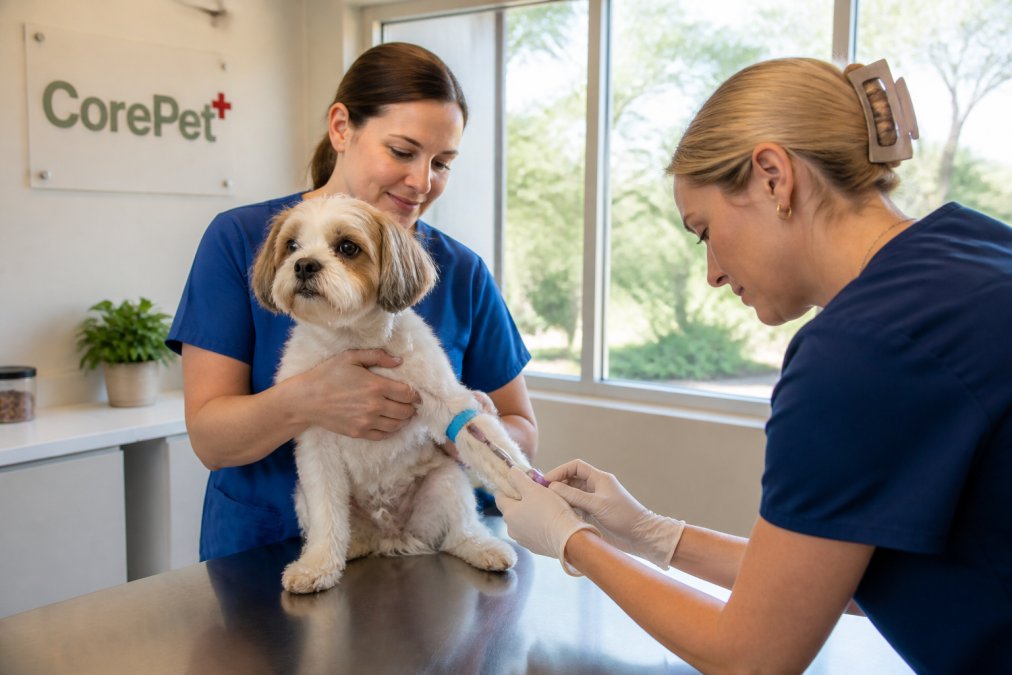
These tests help your care team spot pre-existing conditions, build a tailored anesthetic protocol, set a safe drug dose, and track a normal baseline for recovery.
Blood work turns guesswork into a plan. It gives your vet the clinical findings needed to pick the safest anesthetic management for your pet’s body.
Veterinary Blood Chemistry Panels Explained: Organ Function and Anesthetic Risk
A veterinary blood chemistry panel measures substances that show how the liver, kidneys, and other organs are working, shaping anesthetic risk and drug choices. It typically includes liver enzymes, kidney function markers, blood glucose, and protein levels.
The American Animal Hospital Association anesthesia guidelines stress that pre-surgical screening should be matched to each patient. A young, healthy pet may need a smaller panel than a senior pet with a known heart condition.
An electrocardiogram may be added for older pets or breeds prone to heart issues to check the heart’s rhythm before anesthetic induction.
Results are not pass-or-fail. A slightly high liver value might mean a dose change, not a canceled surgery, and your vet weighs every result against patient history and physical examination findings.
Skipping blood work to save time can hide a problem that shows up under sedation. A pet with early kidney changes may not clear anesthetic drugs normally, which raises the risk of a rough recovery.
Veterinary Anesthesia Safety Protocols and Your Pet’s Preparation Checklist
Veterinary anesthesia safety protocols combine a physical examination, blood work, fasting instructions, and close monitoring to lower anesthetic risk and support a smooth recovery.
What should you do before surgery day?
Follow your vet’s fasting instructions exactly. Food is usually withheld for a set number of hours, but water rules vary, so ask your care team for exact timing.
Confirm fasting instructions, share your pet’s full history and medications, ask whether intravenous fluids will be given, confirm who monitors your pet, ask what the quote includes, and keep your pet calm the morning of surgery.
Many owners ask whether blood work, anesthesia, pain medication, and the surgical fee are bundled into one quote. A transparent clinic walks you through every line before the procedure.
On surgery day, the vet checks heart rate, breathing, gum color, and hydration status; any new finding can change the anesthetic plan.
For pet owners searching for a spay, neuter, or dental provider in New Hampshire, CorePet focuses only on these procedures, so the team runs pre-surgical screening and anesthesia monitoring every day.
How does CorePet handle this for New Hampshire pets?
CorePet is a locally owned surgery center in New Hampshire for dogs, cats, and rabbits. The team reviews blood chemistry, builds a tailored assessment, and explains what is included before surgery day.
Rabbits need special attention because their small size and fast metabolism change how anesthesia works.
Ask for a written quote that lists blood work, anesthesia, monitoring, pain medication, and the surgical fee as separate lines. A clear breakdown tells you more than a single lump sum.
Frequently Asked Questions
What does pre-anesthetic blood work check for in dogs and cats?
Pre-anesthetic blood work typically includes a complete blood count and a serum chemistry profile. The complete blood count checks red and white blood cells and platelets, which can signal anemia or infection. The serum chemistry profile evaluates liver enzymes, kidney function, blood glucose, and hydration status. Together these tests give your veterinarian a clear picture of organ function and metabolic health before anesthesia, helping them tailor the anesthetic protocol to your pet’s needs.
Why is blood work required before routine procedures like spaying or neutering?
Even young, apparently healthy pets can have hidden conditions that affect how they handle anesthesia. Pre-surgical screening detects problems such as low blood glucose, early kidney changes, or subtle liver issues that would not show up on a physical examination alone. Knowing these results lets your veterinarian adjust the anesthetic protocol, choose safer drugs, and plan for intravenous fluids or extra monitoring. It is a safety step, not a formality, and it helps reduce the risk of surgical complications.
What happens if my pet’s pre-anesthetic blood work shows abnormal results?
Abnormal results do not automatically cancel surgery. Your veterinarian will interpret the clinical findings and decide whether to adjust the anesthetic protocol, delay the procedure, or run additional diagnostics such as an electrocardiogram. Some mild changes are managed with intravenous fluids or a modified sedation plan. In other cases, treating an underlying condition first is safer. Your vet will walk you through the specific values and explain what they mean for your pet’s anesthetic risk and recovery period.
Surgery day brings real worry for any pet owner, and the unknown is often the hardest part. CorePet is a locally owned surgery center in Bedford, New Hampshire that focuses on spay, neuter, and dental procedures for dogs, cats, and rabbits. The team uses modern surgical techniques and equipment, reviews blood chemistry before every procedure, and offers individualized care at reasonable costs. Book an appointment with CorePet and get a clear, upfront plan for your pet’s surgery.