Table of Contents
- Is Dental Surgery Safe for Cats? Understanding the Risks
- Signs of Dental Disease in Cats: When Surgery Becomes Necessary
- Feline Anesthesia Safety Protocols and Pre-Surgical Screening
- What to Expect Before the Procedure
- Post-Operative Care and Recovery
- Frequently Asked Questions
- Frequently Asked Questions
Last Updated: September 30, 2026
Is Dental Surgery Safe for Cats? Understanding the Risks
Dental surgery is generally safe for cats when a veterinary team screens the patient, monitors anesthesia closely, and manages pain afterward. Whether is dental surgery safe for cats depends on the individual cat, age, heart health, kidney function, and dental disease severity all shape the risk.
The most common procedure is not a cleaning but a tooth extraction, usually for resorptive lesions. The Cornell University College of Veterinary Medicine feline health resources notes dental disease is one of the most frequently diagnosed problems in adult cats, yet owners often wait until a cat stops eating before booking a visit.
Signs of Dental Disease in Cats: When Surgery Becomes Necessary
Cats hide mouth pain well, so problems are often found late. Watch for drooling, one-sided chewing, dropping food, bad breath, pawing at the face, facial swelling, and weight loss with a normal appetite.
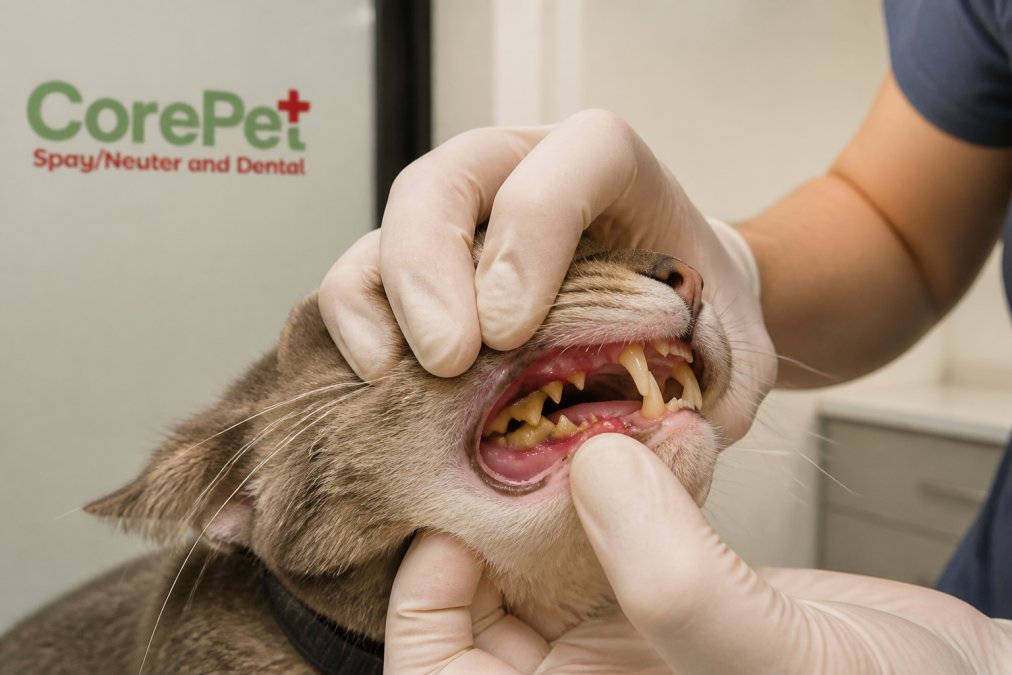
Tartar along the gumline leads to periodontal disease, which damages the bone holding teeth in place. Only dental radiographs reveal the full picture, since most of each tooth sits below the gumline. When disease reaches the root, extraction or root canal therapy is the only way to stop the pain.
Feline Anesthesia Safety Protocols and Pre-Surgical Screening
Anesthesia worries owners most, but modern protocols keep risk low when the cat is screened properly. Pre-anesthetic screening usually includes a physical exam, blood work for liver and kidney values, a heart check, and a review of medications and past reactions.
During the procedure, the team places an IV catheter, uses inhaled gas anesthesia, and tracks heart rate, breathing, blood pressure, and oxygen, with a dedicated staff member watching throughout. Age alone does not rule out surgery, a healthy 14-year-old cat often handles anesthesia better than an overweight 6-year-old with untreated heart disease.
Skipping pre-surgical blood work to save time or money is the single biggest avoidable risk. Hidden kidney or heart problems can turn a routine dental into an emergency, and the blood panel is what catches them.
What to Expect Before the Procedure
Most clinics ask that food be withheld the morning of surgery, since a full stomach raises the risk of vomiting under anesthesia; water is usually allowed. Bring a list of every medication, supplement, and flea product the cat takes, and mention any previous reaction to sedation.
Ask who monitors anesthesia, whether radiographs are taken before extraction, what pain medication is included, and what the written estimate covers.
Ask whether the quote bundles blood work and pain medication or lists them as add-ons. A clear itemized estimate is a sign of a clinic that communicates well.
Post-Operative Care and Recovery
Recovery depends on how much work was done. A simple cleaning means a cat is back to normal within a day; extractions and sutures need closer to a week or two.
Keep the cat indoors and quiet for 24 hours, offer soft food, give pain medication as directed, check the mouth daily for swelling or bleeding, and watch for drooling, refusal to eat, or lethargy. Some grogginess and a wobbly walk are normal after anesthesia, but a cat that will not eat for more than a day, or has trouble breathing, needs a call to the clinic. A recheck lets the veterinarian confirm the surgical site is healing and sutures are holding.
Frequently Asked Questions
How long does cat dental surgery recovery time usually last?
Most cats return to normal eating and activity within a few days, though full gum healing takes about two weeks.
What do feline anesthesia safety protocols include?
They include pre-anesthetic screening, an IV catheter, inhaled anesthesia, and continuous monitoring of heart rate, breathing, blood pressure, and oxygen.
What are the first signs of dental disease in cats?
Early signs include bad breath, red gums, and tartar along the gumline; later signs include drooling, dropping food, and chewing on one side.
Dental disease in cats rarely gets better on its own, and waiting usually means more extractions, not fewer. CorePet is a locally owned surgery center in New Hampshire that focuses on spay, neuter, and dental procedures for dogs, cats, and rabbits, using modern surgical techniques and equipment. The team provides individualized care with clear, upfront estimates so owners know what is included before the procedure starts.
Frequently Asked Questions
Is my cat too old for dental surgery?
Age alone does not disqualify a cat from dental surgery. What matters more is overall health, which is why pre-anesthetic screening, including blood work and sometimes dental radiographs, is essential. Older cats often have higher rates of periodontal disease and resorptive lesions, so postponing treatment can allow infection to worsen. A veterinarian can assess your cat’s individual risk and decide whether surgery is appropriate. At CorePet, every patient receives an individualized evaluation before any procedure.
How safe is dental anesthesia for cats?
Modern feline anesthesia safety protocols have made dental procedures significantly safer than in past decades. The key is proper pre-anesthetic screening, which identifies underlying conditions that could complicate sedation. During surgery, anesthetic monitoring tracks heart rate, breathing, and blood pressure continuously. Most healthy cats tolerate general anesthesia well. Cats with heart or kidney disease need extra precautions, so honest disclosure of your cat’s medical history helps the veterinary team plan accordingly.
What should I expect during cat dental surgery recovery time?
Most cats go home the same day and need 7 to 14 days to fully recover, depending on whether tooth extraction or more extensive oral surgery was performed. Expect grogginess for the first 24 hours, a soft-food diet, and restricted activity. Pain management typically includes an anti-inflammatory or other medication prescribed by your veterinarian. Watch for bleeding, swelling, or refusal to eat, and contact your vet if any of these occur. Follow-up care ensures the surgical site heals properly.