Table of Contents
- Cat Bad Breath Causes: What’s Behind the Smell
- Cat Dental Disease Symptoms to Watch For
- How to Get Rid of Cat Bad Breath at Home
- Frequently Asked Questions
Last Updated: October 13, 2026
Cat Bad Breath Causes: What’s Behind the Smell
Cat bad breath, or halitosis, usually points to dental disease, not diet.
A cat’s mouth is warm, wet, and full of bacteria. Plaque left too long hardens into tartar, irritating the gums and creating the smell.
Common causes include plaque and tartar buildup, gum disease, tooth decay or infection, trapped food, kidney disease or diabetes, and soft food.
The Cornell University College of Veterinary Medicine feline health resources notes that dental problems are among the most common health issues in cats. Many owners never notice until the breath turns bad.
Bad breath is a symptom, not a disease. Treating the smell without finding the cause rarely works.
Cat Dental Disease Symptoms to Watch For
Cats mask pain well, so by the time breath smells bad, gum inflammation is usually present.
Watch for drooling, trouble eating or chewing on one side, pawing at the mouth, red or swollen gums, yellow or brown buildup on teeth, loose teeth, and weight loss.
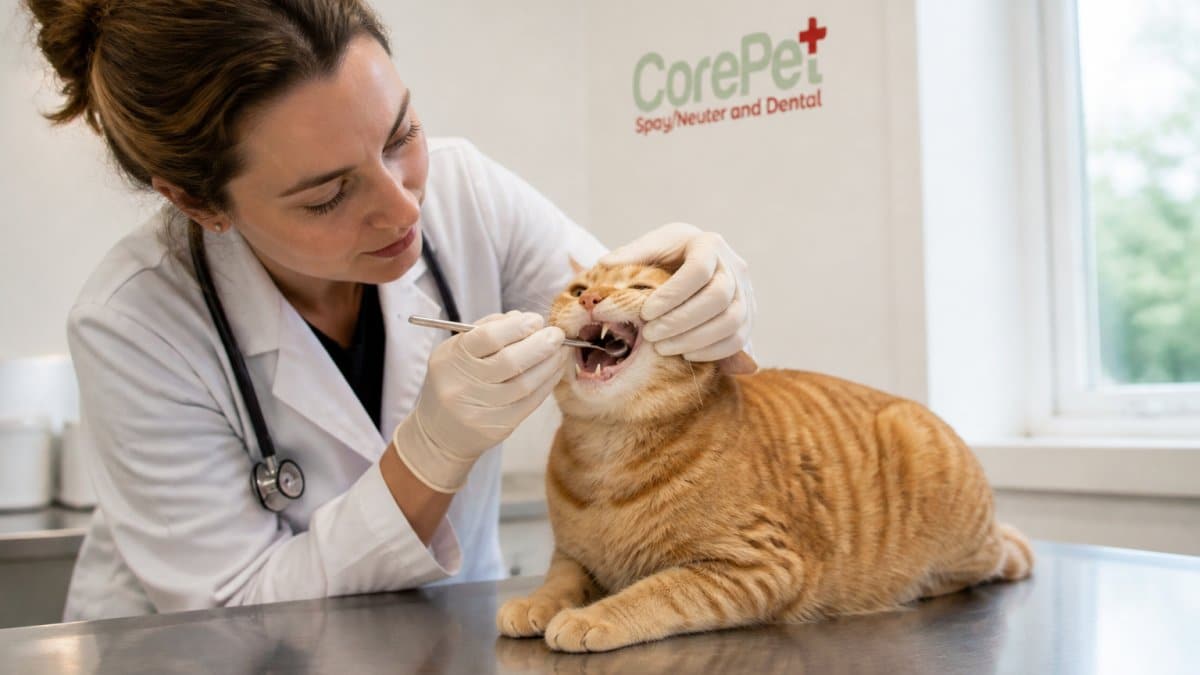
Periodontal disease, the most common dental problem in cats, starts with plaque, moves to gingivitis, and can progress to tooth infection; an annual exam catches it early.
How to Get Rid of Cat Bad Breath at Home
Home care starts with daily brushing, which most cats accept if you build the habit slowly.
Let your cat taste feline toothpaste, rub gauze along the outer gums, switch to a cat toothbrush, brush the outer teeth in small circles over one to two weeks, and reward each session.
Never use human toothpaste, which is toxic to cats; use only feline toothpaste or tooth gel.
Dental treats and diets help between brushings but do not replace brushing. Soft food leaves more residue, so brush more often if your cat eats wet food.
Skipping brushing for weeks lets plaque harden into tartar. Once tartar forms, only a professional cleaning removes it.
When to See a Vet for Cat Bad Breath
See a vet if bad breath lasts more than a few days, or if you notice drooling, trouble eating, or weight loss.
Kidney disease and diabetes can both cause bad breath in cats, so a veterinarian may run bloodwork and a full oral exam. In New Hampshire, CorePet focuses on dental procedures for dogs, cats, and rabbits.
Frequently Asked Questions
How do you fix a cat’s stinky breath?
Start with daily tooth brushing using a cat-specific toothbrush and feline toothpaste, plus dental treats and regular vet exams. If bad breath persists after two weeks of home care, or comes with drooling, appetite loss, or oral pain, book a veterinary examination. Persistent halitosis often points to periodontal disease or an underlying illness that needs professional treatment, not just brushing.
Can dental disease cause bad breath in cats?
Yes. Plaque and tartar buildup harbor bacteria that produce sulfur compounds, which cause halitosis. Gingivitis and gum inflammation make it worse. Left untreated, periodontal disease damages the teeth and gums and can affect the kidneys and heart. A veterinary examination and professional cleaning address the source rather than masking the odor.
Are dental treats or water additives effective for cat bad breath?
They help reduce plaque and tartar buildup between brushings, but they are not a substitute for daily brushing or professional cleaning. Look for products with a Veterinary Oral Health Council (VOHC) seal, which confirms they meet standards for reducing plaque and tartar. Use them alongside, not instead of, routine dental care.
Bad breath in cats rarely fixes itself, and waiting lets dental disease get worse. CorePet is a locally owned surgery center in New Hampshire that focuses on spay, neuter, and dental procedures for dogs, cats, and rabbits. The team uses modern surgical equipment and provides a clear quote before any procedure starts. Book an appointment with CorePet to get your cat’s mouth checked and treated.