Last Updated: November 18, 2026
Quick Summary
Diabetic pet recovery diets should be planned around the pet’s full health picture, not diabetes alone, and confirmed with a veterinarian before any procedure. Meals kept consistently 10 to 12 hours apart work best for most diabetic dogs, and free-choice feeding should be avoided.
- Review the feeding plan with your veterinarian before the procedure date.
- Meals 10 to 12 hours apart work best for most diabetic dogs.
- Avoid free-choice feeding and keep meals at consistent times each day.
- Dogs with pancreatitis or hyperlipidemia may need fat restriction.
- Confirm when to resume food after anesthesia with the veterinary team.
Table of Contents
- Why a Diabetic Pet Recovery Diet Needs Extra Planning
- Feeding a Diabetic Pet After Surgery
- Choosing Your Pet’s Next Step With Your Veterinarian
- Frequently Asked Questions
Why a Diabetic Pet Recovery Diet Needs Extra Planning
Diabetic pet recovery from surgery depends on feeding plans that account for the pet’s condition, not just the procedure. Veterinary guidance from the American Animal Hospital Association 2026 Diabetes Management Guidelines for Dogs notes that dietary recommendations should be adjusted when concurrent diseases are present. Owners of diabetic pets should review feeding plans with their veterinarian before any procedure, including planned work such as Spay Neuter Dental care.
Diet choice for a recovering diabetic pet depends on the pet’s other health conditions, not on diabetes alone. Dogs with pancreatitis or hyperlipidemia may need fat restriction, while overweight dogs may need increased protein, according to a review published in Today’s Veterinary Practice, Diabetic Diets for Dogs and Cats: Assessing the Evidence.
Planning ahead helps owners and their veterinary team set a feeding schedule that fits the pet’s medication and diabetic pet recovery needs. Owners can start by asking the veterinarian about meal timing and any restrictions before the procedure date.
Feeding a Diabetic Pet After Surgery
Consistent meal timing matters for diabetic pet recovery. Cornell University Riney Canine Health Center advises that meals 10 to 12 hours apart work best for most diabetic dogs and recommends against free-choice feeding.
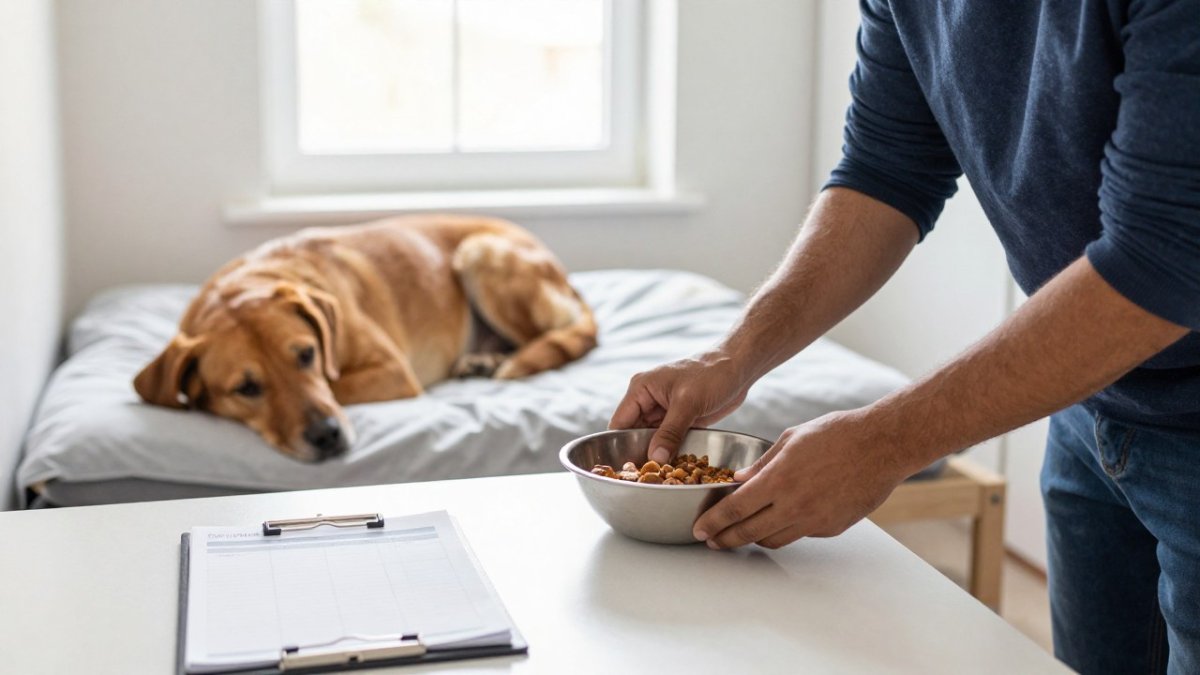
Owners should check with their veterinarian before offering food after anesthesia. Pets that have not yet regained alertness may not be ready to eat, and the timing of the first meal affects how insulin is managed. Find out how long anesthesia takes to wear off to plan when feeding can resume.
Key points for owners:
- Keep meals at consistent times each day
- Avoid free-choice feeding
- Confirm the post-surgery feeding plan with the veterinary team before resuming normal meals
For appetite concerns, owners can review what to feed a diabetic dog that won’t eat with their veterinarian.
The article’s feeding guidance for a recovering diabetic pet comes down to a few key points:
| Feeding point | What to do | Timing |
|---|---|---|
| Meal spacing | Feed meals consistently | 10 to 12 hours apart |
| Feeding method | Avoid free-choice feeding | Scheduled meals only |
| First meal after anesthesia | Confirm plan with veterinary team | Once pet is alert |
| Pre-procedure step | Review feeding plan with veterinarian | Before procedure date |
Choosing Your Pet’s Next Step With Your Veterinarian
A recovery diet should not be selected based on diabetes-focused recommendations alone. Diet decisions for a diabetic pet recovering from surgery should be made with a veterinarian who knows the pet’s full health history.
Owners who have questions about a specific procedure can contact CorePet to discuss the pet’s needs.
Diabetic pets need feeding plans that match both their medical condition and their recovery. CorePet can help owners plan for dogs, cats and rabbits undergoing spay, neuter and dental procedures in New Hampshire. Book an appointment to discuss your pet’s feeding and recovery needs.
Frequently Asked Questions
What is the best diet for a diabetic pet recovering from surgery?
No single diet fits every diabetic pet after surgery. Diet choice depends on the animal’s other health conditions, its weight, and how well it is eating. The American Animal Hospital Association’s 2026 guidelines say dietary recommendations should be adjusted when concurrent diseases are present, and that dietary management works alongside insulin therapy. Ask your veterinarian to recommend a complete and balanced food that fits your pet’s recovery and blood glucose needs before changing anything at home.
What should I feed a diabetic dog or cat that won’t eat after a procedure?
A pet that refuses food after a procedure needs prompt veterinary attention, because skipping meals can affect blood glucose in a diabetic animal. Do not switch foods or add treats on your own to tempt it. Call your veterinarian for guidance on appetite, insulin timing, and whether a prescription diet or a different food is appropriate. Cornell University’s Riney Canine Health Center notes that consistent meal timing, often 10 to 12 hours apart for most diabetic dogs, matters for diabetes management.
Should I change my diabetic pet’s food after surgery?
Do not change your pet’s food without first talking to your veterinarian. A sudden diet change can upset appetite and digestion during recovery and may affect insulin needs. If a new food is recommended, your veterinarian can explain how to transition gradually and what to monitor, such as eating habits, energy level, and signs of weight change. Keep notes on what your pet eats and when, and bring them to follow-up visits.