Table of Contents
- Emergency Pet Surgery vs Routine Procedures: Key Differences
- Signs of Pet Medical Emergencies That Require Immediate Surgery
- Common Veterinary Surgical Procedures and When They’re Scheduled
- Benefits of Routine Spay and Neuter for Long-Term Pet Health
Last Updated: August 25, 2026
Emergency Pet Surgery vs Routine Procedures: Key Differences
Emergency pet surgery and routine procedures represent two fundamentally different approaches to your pet’s health care. Emergency surgical intervention happens when a pet’s life or quality of life is at immediate risk, often with little time for preparation. Routine procedures are planned in advance, allowing for thorough pre-surgical evaluation, fasting protocols, and coordinated scheduling. Both require professional surgical focus and careful monitoring, but the context and stakes differ significantly.
Pet owners in New Hampshire increasingly face this decision, whether managing a sudden health crisis or planning preventive care. Knowing when each type of surgery is necessary can mean the difference between a smooth recovery and a complicated outcome.

Signs of Pet Medical Emergencies That Require Immediate Surgery
Certain conditions demand immediate surgical intervention without delay. A pet displaying acute trauma from a hit-by-car incident, severe lacerations, or crush injuries requires emergency evaluation and often emergency surgery within hours. Abdominal distension combined with vomiting, lethargy, and pain suggests a possible blockage or internal injury demanding urgent diagnostic imaging and potential surgical exploration.
Difficulty breathing, pale gums, or collapse indicate shock or airway compromise. Other critical presentations include uncontrolled bleeding, suspected foreign body ingestion (particularly sharp objects), signs of pyometra in intact females such as fever and vaginal discharge, and bloat in deep-chested dogs characterized by a hard, distended abdomen and unproductive retching. These situations bypass typical appointment scheduling; emergency stabilization, diagnostic work, and surgical intervention occur in rapid succession to preserve life and prevent organ damage.
Common Veterinary Surgical Procedures and When They’re Scheduled
Routine veterinary procedures follow a planned timeline, allowing for comprehensive pre-surgical preparation and optimal outcomes. Spay and neuter procedures represent the most common routine surgeries, typically scheduled weeks in advance with pre-surgical bloodwork, anesthesia protocols, and owner preparation. Recovery timelines are predictable, with most pets returning to normal activity within 7-10 days (avma.org).
Dental procedures, mass removal for benign tumors, cryptorchid repair, and enucleation for severely diseased eyes also fall into the routine category. Each follows a planned schedule, allowing the surgical team to coordinate resources, ensure proper anesthesia monitoring, and manage post-operative pain effectively.
Preparing for Your Pet’s Surgery: What Pet Owners Should Know
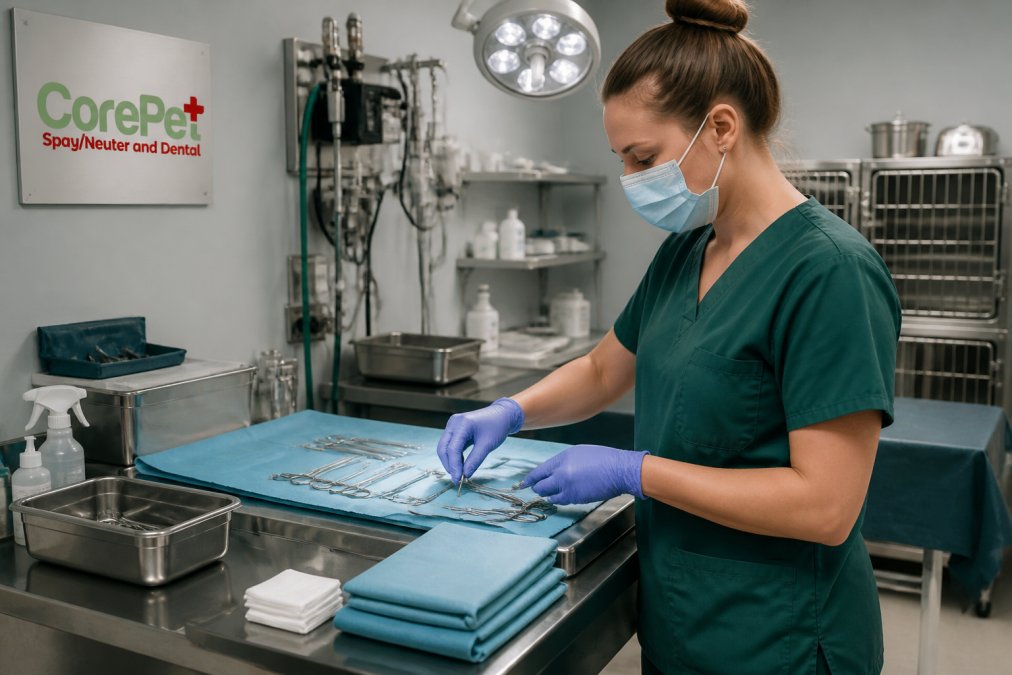
Routine surgical preparation differs markedly from emergency scenarios. Pet owners typically receive detailed pre-operative instructions 7-10 days before the scheduled procedure. Fasting requirements are standard: most pets should receive nothing to eat after midnight the night before surgery, with water allowed until a few hours prior to prevent aspiration during anesthesia induction.
Pre-surgical bloodwork assesses organ function and overall health status. The surgical facility should maintain sterile protocols with dedicated surgical suites separate from examination areas. Intravenous fluids support blood pressure during the procedure, while anesthesia monitoring tracks vital signs continuously. Pain management begins before surgery and continues through recovery with prescribed medications sent home for post-operative care. Recovery timelines vary by procedure but typically involve restricted activity, wound monitoring, and suture removal at 10-14 days.
Benefits of Routine Spay and Neuter for Long-Term Pet Health
Routine spay and neuter procedures deliver substantial long-term health benefits extending well beyond population control. These procedures reduce the risk of reproductive cancers, eliminate the risk of pyometra (a life-threatening uterine infection), and prevent unwanted pregnancies.
For female dogs and cats, spaying before the first heat cycle significantly reduces mammary cancer risk (peer-reviewed research). Removing reproductive organs eliminates ovarian and uterine cancer entirely (avma.org). For males, neutering prevents testicular cancer and reduces prostate disease risk as the pet ages. Beyond cancer prevention, these procedures improve behavioral outcomes by calming aggression, marking behavior, and roaming tendencies driven by reproductive hormones.
Scheduling these procedures during a pet’s young adulthood, typically between 6-12 months of age, allows for optimal healing and establishes a foundation of long-term health. The brief recovery period from routine surgery is a small investment compared to the decades of health benefits that follow.
Pet owners in New Hampshire seeking high-quality surgical care for their dogs, cats, and rabbits should prioritize facilities that focus on procedures with the greatest health impact. CorePet combines advanced surgical techniques, modern equipment, and individualized care to deliver safe, affordable procedures that protect your pet’s long-term health. When your pet needs routine surgery or emergency stabilization, professional surgical support makes all the difference. Book an appointment with CorePet to discuss your pet’s surgical needs and explore how focused surgical care can benefit your companion.
Frequently Asked Questions
What qualifies as a pet emergency that requires immediate surgery?
Pet emergencies requiring urgent surgical intervention include trauma from accidents, foreign body ingestion, severe bleeding, bloat or gastric dilatation, and acute abdominal pain. Signs include collapse, difficulty breathing, uncontrolled bleeding, or severe distress. If your pet shows these symptoms, seek emergency care immediately. A veterinarian will perform diagnostic imaging and laboratory services to determine if emergency pet surgery is necessary. Not all urgent situations require surgery, but rapid assessment is critical to prevent life-threatening complications.
How do routine spay and neuter procedures differ from emergency surgery?
Routine spay and neuter are planned procedures performed on healthy pets under controlled conditions, with pre-surgical bloodwork and anesthesia monitoring. Emergency pet surgery occurs without advance preparation when a pet's life or health is at immediate risk. Routine procedures allow time for pre-operative assessment, pain management planning, and post-operative recovery protocols. Emergency cases skip these preparations due to time constraints. Recovery timelines also differ: routine procedures typically involve 7-14 days of restricted activity, while emergency recovery depends on the severity of the underlying condition and surgical complexity.
Why is pre-surgical bloodwork important before routine procedures?
Pre-surgical bloodwork identifies underlying health conditions that could affect anesthesia safety and surgical outcomes. Bloodwork reveals organ function, blood cell counts, and metabolic status, allowing your veterinarian to adjust anesthesia protocols and sedation levels for your pet's specific needs. This assessment is standard for routine spay, neuter, and dental surgery. In emergency situations, bloodwork may be performed rapidly during triage, but time constraints may limit testing. Pre-surgical assessment ensures your pet receives individualized care tailored to their health status, significantly reducing surgical complications and supporting optimal recovery.
This article was written using GrandRanker