Table of Contents
- What to Look for in a Veterinary Surgeon
- Questions to Ask Your Vet Before Surgery
- Veterinary Anesthesia Safety Protocols
- Finding Affordable Pet Surgery in New Hampshire
- Frequently Asked Questions
Last Updated: September 1, 2026
How to Choose a Veterinary Surgeon in New Hampshire
Choosing the right veterinary surgeon for your pet is one of the most important health decisions you’ll make as a pet owner. The difference between a competent surgical center and an exceptional one often comes down to specific details: how they handle anesthesia, what questions they ask before operating, and whether they prioritize your pet’s individual needs over a one-size-fits-all approach.
This guide from CorePet covers what to look for when evaluating a veterinary surgeon, the critical questions you should ask before your pet goes under anesthesia, and how to find affordable surgical care without compromising safety or quality.
What to Look for in a Veterinary Surgeon
A skilled veterinary surgeon combines advanced surgical training with individualized care, modern equipment, and transparent communication with pet owners.
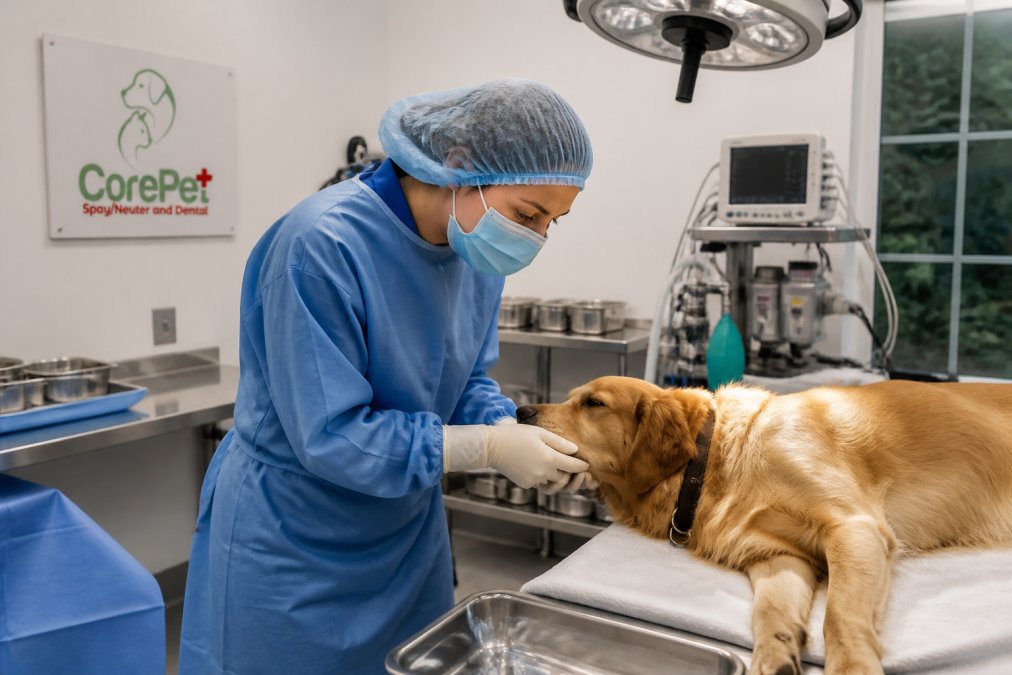
The best veterinary surgeons ask detailed questions about your pet’s medical history, age, underlying health conditions, medications, and previous anesthesia experiences before scheduling surgery. Look for a surgical center that uses modern equipment and performs the specific procedure your pet needs regularly, a surgeon who performs spays, neuters, and dental procedures frequently develops the problem-solving skills that matter when complications arise.
Board certification is a meaningful credential. The American Veterinary Medical Association recognizes board-certified surgeons who have completed additional training and passed rigorous examinations. A reputable surgical center explains what’s included in the quoted price, whether bloodwork, anesthesia, pain medication, and post-operative care are bundled or charged separately.
Questions to Ask Your Vet Before Surgery
Before your pet undergoes any surgical procedure, you deserve clear, direct answers to these essential questions.
Ask what pre-operative bloodwork will be performed and why. Bloodwork screens for underlying liver or kidney disease that could affect how your pet metabolizes anesthesia. Inquire about the anesthesia protocol: What drugs will be used? How will your pet be monitored during surgery? Will a dedicated veterinary technician watch vital signs throughout the procedure? Ask about post-operative pain management, what the surgeon will do if unexpected findings arise, how quickly your pet will be available for pickup, and whether the facility monitors recovery carefully before discharge.
Veterinary Anesthesia Safety Protocols
Anesthesia is the single greatest risk factor in any surgical procedure. The safest surgical centers treat anesthesia monitoring with the same rigor they apply to the surgery itself.
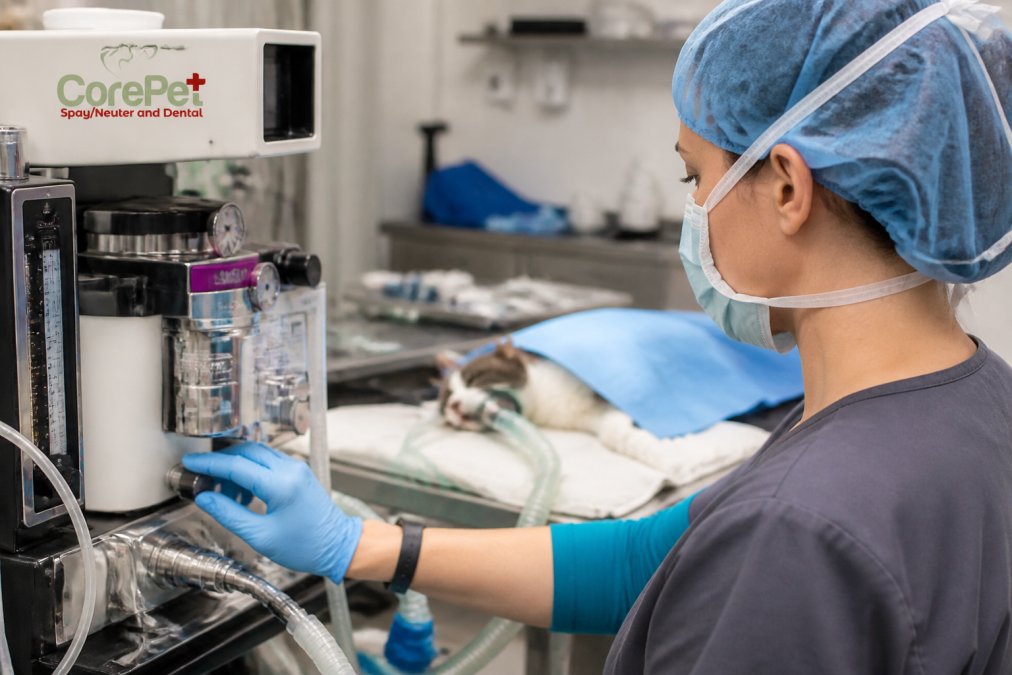
Pre-operative bloodwork identifies pets at elevated anesthesia risk. During surgery, continuous monitoring of heart rate, blood pressure, oxygen saturation, and body temperature is non-negotiable. A dedicated veterinary technician should watch these vital signs throughout the procedure, not a surgeon trying to monitor equipment while operating. Modern anesthesia protocols use combinations that are safer and allow faster recovery than older approaches. Ask whether the surgical center has emergency protocols in place and whether oxygen and emergency medications are available.
Finding Affordable Pet Surgery in New Hampshire
Quality surgical care and affordable costs don’t have to be mutually exclusive. A surgical center that focuses exclusively on spay, neuter, and dental procedures can often offer better value than a full-service veterinary hospital because they’ve simplified their operations around these specific surgeries. Dedicated surgical centers typically spend less on overhead, which translates to lower costs for routine procedures without sacrificing quality. Ask about what’s included in the quoted price and compare quotes from multiple surgical centers, but don’t choose based on price alone. Request a detailed written estimate before committing to protect both you and the surgical center by ensuring clear expectations.
Choosing a veterinary surgeon requires evaluating technical skill, safety protocols, and genuine care for your pet’s individual needs. The right surgical center combines modern equipment with experienced practitioners who communicate clearly and prioritize your pet’s recovery. CorePet’s focus on surgical excellence, offering spay, neuter, and dental procedures with advanced techniques and transparent costs, reflects a commitment to making essential health services accessible for dogs, cats, and rabbits throughout New Hampshire. When you’re ready to schedule your pet’s surgery, book an appointment and experience the difference that dedicated surgical care makes.
Frequently Asked Questions
What qualifications should I look for in a veterinary surgeon in New Hampshire?
Look for a veterinary surgeon who holds a Doctor of Veterinary Medicine (DVM) degree and is licensed by the New Hampshire Veterinary Medical Board. Board certification from the American College of Veterinary Surgeons (ACVS) indicates advanced surgical training. Ask about their experience with your pet’s specific procedure, dogs, cats, and rabbits may require different surgical approaches. Request information about continuing education and membership in professional organizations, which demonstrates commitment to current surgical standards.
What questions should I ask before scheduling pet surgery in New Hampshire?
Ask about pre-operative bloodwork requirements, anesthesia protocols, monitoring during surgery, pain management options, and post-operative care instructions. Request clarity on what’s included in the surgical fee and whether bloodwork, anesthesia, and medications are separate costs. Ask about the surgeon’s experience with your pet’s specific procedure and what happens if complications arise. Inquire about their emergency protocols and whether they have relationships with emergency veterinary hospitals if urgent care is needed after hours.
How do I verify the credentials of a veterinary clinic in New Hampshire?
Contact the New Hampshire Veterinary Medical Board to confirm the surgeon’s license is current and in good standing. Check the American Veterinary Medical Association (AVMA) directory for board-certified surgeons. Ask the facility directly for references from recent clients and information about their accreditations. Look for facilities that follow AAHA (American Animal Hospital Association) standards or similar quality benchmarks. Don’t hesitate to ask for documentation of their surgical training and experience, reputable facilities are transparent about their qualifications.
This article was written using GrandRanker