Table of Contents
- Why Pet Dental Services Matter
- Signs of Periodontal Disease in Pets
- Pet Dental Anesthesia Safety: What Pet Owners Need to Know
- Understanding Dog Teeth Cleaning Cost in New Hampshire
Last Updated: August 27, 2026
Why Pet Dental Services Matter
Dental disease in pets is far more common than most owners realize. Unlike human dental problems, which cause discomfort and visible symptoms, many pets hide oral pain until the infection becomes severe. By the time an owner notices bad breath or difficulty eating, the damage is often extensive. Regular pet dental services catch disease early, prevent tooth loss, and protect overall health. Infections that start in the mouth can spread to the heart, kidneys, and liver, making preventative dental care essential for any responsible pet owner (avma.org).
CorePet focuses on providing comprehensive dental care for dogs, cats, and rabbits in New Hampshire, addressing the root causes of oral disease before they become life-threatening.
Signs of Periodontal Disease in Pets
Periodontal disease develops silently in most pets. The earliest warning signs are subtle: mild bad breath, slight tartar buildup on the teeth, or a reluctance to chew on one side of the mouth. As the disease progresses, gingivitis develops, causing red, swollen gums that bleed easily. Pets may drool excessively or show behavioral changes like decreased appetite or irritability.
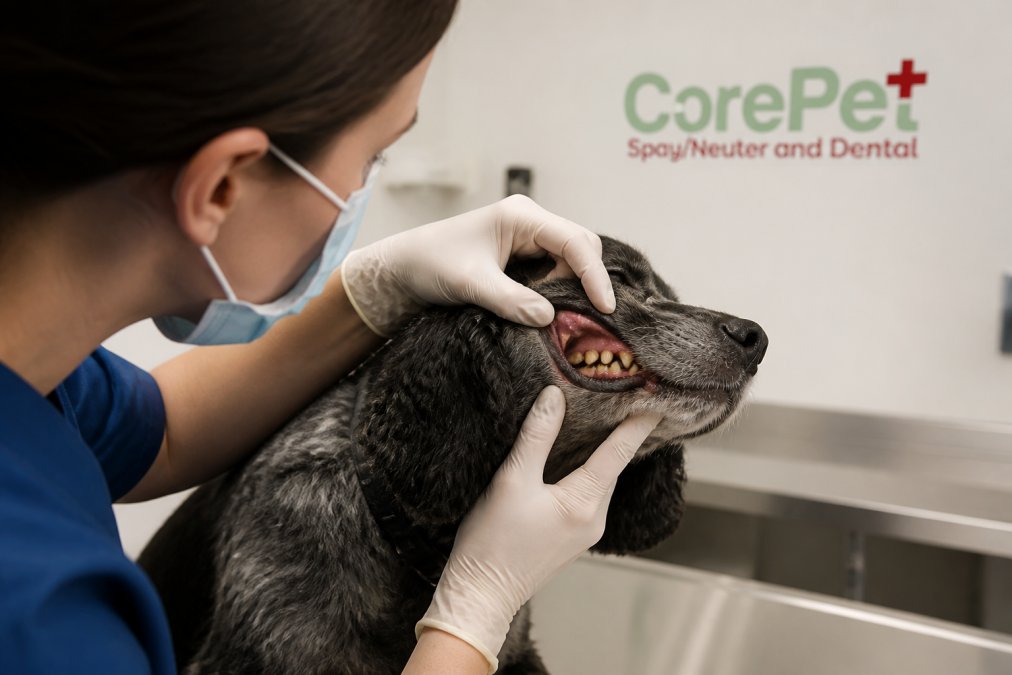
Advanced periodontal disease causes visible symptoms: loose or missing teeth, pus drainage from the gum line, facial swelling, or a noticeable foul odor. Some pets develop difficulty eating or refuse food altogether. The longer periodontal disease goes untreated, the more damage accumulates to the bone supporting the teeth. Once bone loss occurs, it cannot be reversed (aaha.org). This is why early detection through professional oral health assessment is critical. A veterinary technician can identify gingivitis and early tartar buildup before irreversible damage happens.
Pet Dental Anesthesia Safety: What Pet Owners Need to Know
Pet owners frequently worry about anesthesia during dental procedures. This concern is understandable, but modern veterinary anesthesia is remarkably safe when proper protocols are followed. Pre-anesthetic screening is the foundation of safe dental procedures. Before any pet receives anesthesia, a thorough physical examination and bloodwork should be completed to identify underlying health conditions that could complicate anesthesia.
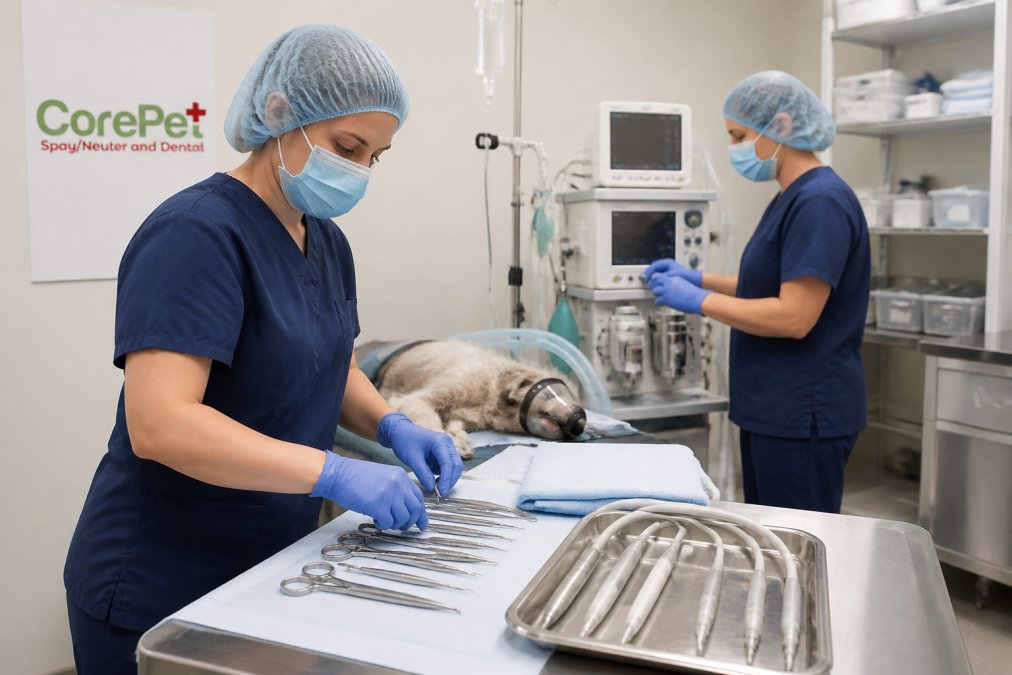
During the procedure, continuous monitoring tracks heart rate, blood pressure, oxygen levels, and body temperature (avma.org). A trained veterinary technician watches these vital signs throughout the entire procedure. Post-operative care is equally important. Pets should recover in a quiet, warm environment with minimal activity for several days after anesthesia. Pain medication is provided to manage discomfort as the mouth heals. Most pets return to normal eating and activity within 24-48 hours.
Some owners ask about anesthesia-free dental cleaning. While these procedures avoid anesthesia risks, they cannot remove tartar below the gum line where periodontal disease actually develops. Anesthesia-free cleaning addresses only cosmetic surface staining. For true periodontal disease treatment, anesthesia is necessary to allow thorough scaling and polishing beneath the gums. senior pet care.
Understanding Dog Teeth Cleaning Cost in New Hampshire
The cost of pet dental services varies based on the severity of disease and the extent of treatment needed. A simple dental prophylaxis for a pet with minimal tartar costs far less than treatment for advanced periodontal disease with tooth extractions. Factors affecting cost include the number of teeth requiring extraction, whether dental radiographs are needed, the pet’s age and health status, and the complexity of the surgical approach.
Many pet owners worry about unexpected costs during anesthesia. Transparent pricing is essential. A complete quote should include pre-anesthetic bloodwork, anesthesia and monitoring, scaling and polishing, any necessary extractions, pain medication, and post-operative care instructions. Some facilities add charges for dental radiographs or emergency protocols, while others bundle these into a comprehensive fee. Always ask what is included before committing to the procedure.
CorePet provides transparent pricing and detailed quotes before any procedure begins, ensuring pet owners understand exactly what their pet’s dental care will involve. The team focuses on delivering safe, individualized care at reasonable costs, making essential health services accessible for dogs, cats, and rabbits throughout New Hampshire.
Frequently Asked Questions
What are the first signs that my pet needs dental services?
Common warning signs include bad breath (halitosis), visible tartar buildup on teeth, red or swollen gums, difficulty eating, and excessive drooling. Some pets also show behavioral changes like reluctance to chew toys or eat hard food. If you notice any of these signs, schedule a dental exam with a veterinary professional who can assess your pet's oral health and recommend appropriate treatment.
Is anesthesia safe for pet dental procedures?
Modern anesthesia used in veterinary dentistry is safe when proper pre-anesthetic screening is performed. Pre-anesthetic bloodwork helps identify any health concerns before the procedure. Your veterinary team will monitor your pet throughout the dental cleaning or extraction using specialized equipment. Discuss your pet's medical history and any concerns with your veterinarian to ensure the safest approach for your individual animal.
How much does pet dental work typically cost?
Pet dental service costs vary based on the type of procedure needed, your pet's age and health status, and your location. A routine dental cleaning with anesthesia, scaling and polishing, and post-operative pain medication differs in price from tooth extraction or more complex oral surgery. Visit CorePet's pricing page for transparent quotes on services, or contact a local veterinary dental provider for a detailed estimate based on your pet's specific needs.
Pet dental disease is preventable with early intervention and professional care. The signs are often subtle, but the consequences of ignoring them are severe. If your pet shows any symptoms of oral disease, bad breath, difficulty eating, or visible tartar, schedule a dental consultation with CorePet. Our team will evaluate your pet’s oral health, explain treatment options, and work with you to create an affordable care plan that protects your pet’s long-term health.
This article was written using GrandRanker