Table of Contents
- Finding Low Cost Spay Neuter Clinics That Fit Your Budget
- Spay and Neuter Age Requirements for Dogs, Cats and Rabbits
- Post-Operative Pet Care: The First 48 Hours at Home
- Frequently Asked Questions
Last Updated: September 26, 2026
Finding Low Cost Spay Neuter Clinics That Fit Your Budget
Searching for spay and neuter clinics near me often starts with a worry: the procedure is essential, but a full-service hospital bill can feel out of reach. This CorePet guide covers how low-cost options work in New Hampshire and how to prepare your pet for recovery.
Spay and neuter clinics are veterinary facilities that focus on sterilization surgery, often at reduced rates compared to general practice hospitals. They keep costs down through high volumes of routine procedures. They keep costs down through high volumes of routine procedures.
A focused surgical center also moves faster than a general hospital, where routine surgeries compete with sick visits. That speed matters when a female pet is at risk for conditions like pyometra, a serious uterine infection that spaying prevents.
Costs vary by provider, species, and whether add-ons like bloodwork or pain medication are bundled in. A quote should spell out what is included before the appointment.
Ask whether the quote bundles anesthesia, pain medication, and the surgical fee or lists them separately. A low headline number can grow once add-ons appear.
Spay and Neuter Age Requirements for Dogs, Cats and Rabbits
Age guidelines differ by species, and correct timing reduces surgical risk. Most veterinarians recommend spaying or neutering dogs and cats between four and six months, before a female’s first heat cycle.
Rabbits are different. Many rabbit-savvy veterinarians recommend surgery at sexual maturity, often around four to six months for smaller breeds, though timing shifts with breed and size. Female rabbits face a high risk of uterine cancer later in life, so spaying is a genuine health measure.
Weight and overall health matter as much as age. A veterinarian typically confirms the pet is healthy enough for anesthesia before scheduling.
| Species | Typical Age Window | Key Consideration |
|---|---|---|
| Dogs | 4-6 months | Before first heat in females |
| Cats | 4-6 months | Faster recovery in younger pets |
| Rabbits | 4-6 months | Reduces uterine cancer risk |
Post-Operative Pet Care: The First 48 Hours at Home
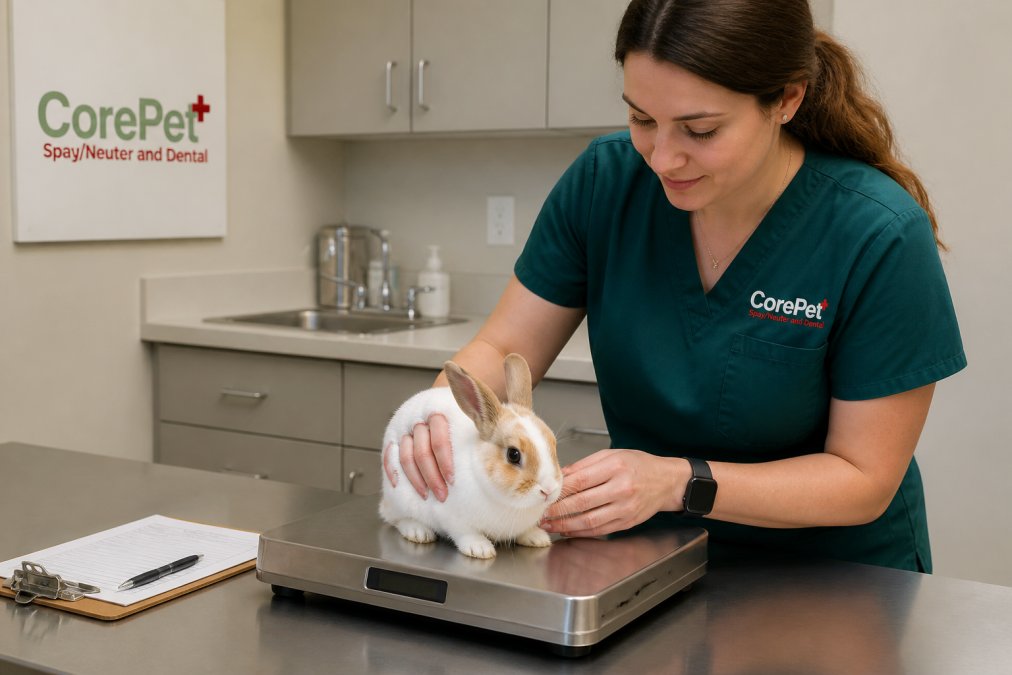
The first two days after surgery set the tone for recovery. Keep your pet calm, restrict jumping and stairs, and check the incision daily for redness, swelling, or discharge.
Offer small amounts of water and food once your pet is fully awake, and follow the pain medication schedule your veterinarian provides. A quiet, warm space away from other pets prevents rough play.
Skipping the recovery cone or letting your pet lick the incision can lead to infection and a return trip to the clinic. Keep the cone on for the full period your veterinarian recommends.
Call the clinic for persistent bleeding, refusal to eat after 24 hours, or unusual lethargy.
Frequently Asked Questions
At what age should I schedule a spay and neuter procedure for my dog or cat?
Most veterinarians recommend spaying or neutering dogs and cats between four and six months, before the first heat cycle. Large-breed dogs may be scheduled later so their growth plates close first. Rabbits are usually altered once they reach sexual maturity, often around four to six months. Your clinic will confirm the right timing based on your pet’s weight, breed and overall health after an exam.
What should I expect during post-operative pet care after surgery?
Expect drowsiness for the first 24 hours while anesthesia wears off. Keep your pet in a quiet, warm space, offer small amounts of water, and feed a light meal the next morning if your clinic approves. Check the incision daily for redness, swelling or discharge, and keep an E-collar on to prevent licking. Most pets return to normal activity within 10 to 14 days, but limit jumping and running until your veterinarian clears them.
Are there low cost spay neuter clinics in New Hampshire?
Yes, several organizations across New Hampshire offer reduced-fee or subsidized spay and neuter surgeries, and some run transport programs for pet owners who cannot travel. Availability and eligibility rules vary by provider, so call ahead to confirm current requirements. CorePet is a locally owned surgery center focused on spay, neuter and dental procedures; current pricing and appointment availability are listed on its website.
Finding affordable surgical care in New Hampshire takes some legwork, but the right provider makes the process straightforward. CorePet focuses on spay, neuter, and dental procedures for dogs, cats, and rabbits, using modern techniques and transparent quotes so there are no surprises. Book an appointment with CorePet and give your pet safe, individualized care at a reasonable cost.