Table of Contents
-
Is Anesthesia Safe for Brachycephalic Breeds? What the Evidence Shows
-
Brachycephalic Airway Syndrome Surgery Risks: A Detailed Assessment
-
Preparing Brachycephalic Dogs for Anesthesia: Pre-Operative Steps
-
Post-Anesthesia Care for Brachycephalic Breeds: Recovery and Monitoring
Last Updated: June 20, 2026
Is Anesthesia Safe for Brachycephalic Breeds? What the Evidence Shows
Flat-faced dogs like French Bulldogs, Pugs, and English Bulldogs face measurably higher anesthetic risk than other breeds. This guide covers what the clinical evidence shows, what the risks look like in practice, and how to protect your dog before, during, and after any procedure. The short answer: anesthesia can be performed safely in brachycephalic patients, but only when the veterinary team understands the specific anatomical challenges and adjusts every step of the protocol accordingly.
Brachycephalic obstructive airway syndrome (BOAS) is a cluster of anatomical abnormalities common in flat-faced breeds, including stenotic nares (narrowed nostrils), an elongated soft palate, a hypoplastic trachea, and laryngeal collapse. These features combine to make airway management during anesthesia significantly more complex than in dogs with normal anatomy.
According to the American College of Veterinary Anesthesia and Analgesia’s clinical guidelines, brachycephalic breeds require individualized anesthetic protocols that account for their unique airway anatomy. The difference between a safe outcome and a serious complication often comes down to preparation.
Brachycephalic Airway Syndrome Surgery Risks: A Detailed Assessment
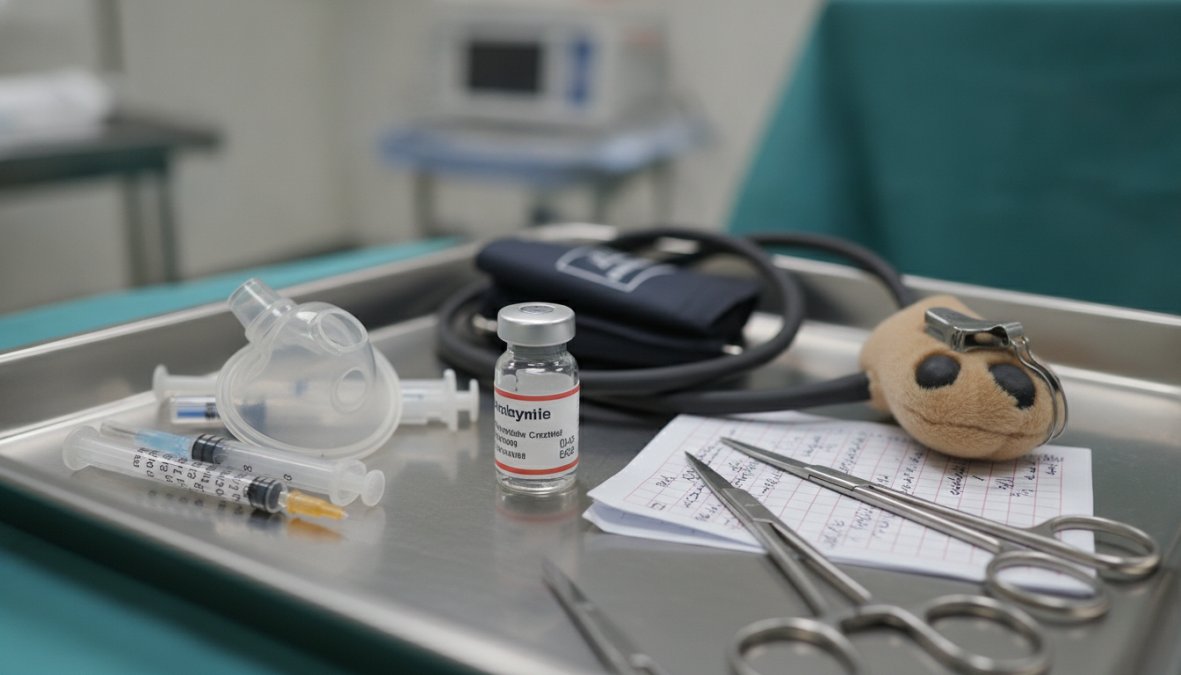
The primary concern during anesthesia is hypoxemia, a dangerous drop in blood oxygen levels caused by airway obstruction. In brachycephalic patients, the narrowed upper airway creates turbulent airflow even when awake. Under sedation, muscle tone decreases, the elongated soft palate falls back toward the larynx, and airway obstruction becomes an immediate threat.
The main anesthesia-related complications in brachycephalic breeds include:
-
Airway obstruction and dyspnea: Occurs most commonly during induction and recovery.
-
Aspiration: Higher rates of gastroesophageal reflux increase aspiration pneumonia risk.
-
Laryngeal collapse: Reduces intubation effectiveness and complicates airway management.
-
Prolonged recovery: Extubation must be delayed longer as patients need more time to regain airway protective reflexes.
-
Hyperthermia: Impaired thermoregulation can compound respiratory distress.
Risk stratification is critical. A young, healthy French Bulldog undergoing routine Spay Neuter Dental differs significantly from an older Bulldog with grade 3 laryngeal collapse scheduled for a longer procedure. Veterinary teams should classify each patient’s BOAS severity before finalizing any anesthetic protocol.
As documented in veterinary anesthesia research published by the Veterinary Evidence journal, brachycephalic breeds show significantly higher rates of perioperative complications compared to mesocephalic breeds, with the recovery phase representing the highest-risk window.
Preparing Brachycephalic Dogs for Anesthesia: Pre-Operative Steps
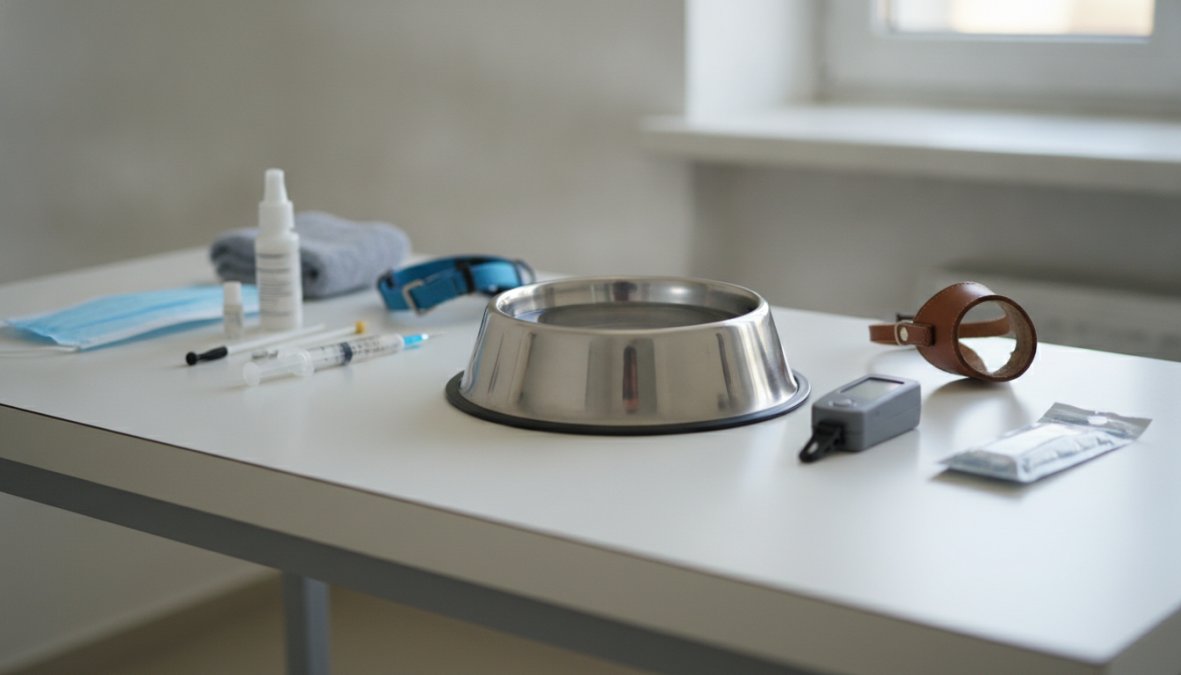
A thorough pre-anesthetic assessment is non-negotiable. This means a full physical examination with specific attention to respiratory effort at rest, nares patency, and any history of exercise intolerance, snoring, or sleep apnea. In higher-risk patients, chest radiographs and blood work should be completed before surgery.
Pre-operative steps for owners:
-
Withhold food for the recommended fasting period (typically 8-12 hours).
-
Keep the dog calm and cool the morning of the procedure.
-
Inform the veterinary team of any current medications and prior anesthetic events.
-
Ask whether the clinic uses pre-oxygenation protocols before induction.
Pre-oxygenation is one of the most effective interventions available. By administering 100% oxygen for three to five minutes before induction, the veterinary team increases the patient’s oxygen reserve, buying critical time if intubation proves difficult.
Drug selection matters enormously. Sedation protocols for brachycephalic breeds should minimize respiratory depression while providing adequate sedation for smooth induction. Opioids combined with low-dose sedatives are commonly preferred over high-dose acepromazine. Propofol is often used for induction because it allows rapid intubation.
According to clinical guidance from the Veterinary Anesthesia and Analgesia Support Group, pre-oxygenation combined with rapid induction and immediate intubation is the single most effective strategy for reducing hypoxemia risk in brachycephalic patients.
Post-Anesthesia Care for Brachycephalic Breeds: Recovery and Monitoring
Post-anesthetic care for brachycephalic breeds is where many otherwise well-managed cases go wrong. Recovery requires the same level of attention as the procedure itself.
The gold standard is sternal recumbency: keeping the dog positioned on their chest during recovery. This position maintains better airway patency and reduces soft palate obstruction risk. The endotracheal tube should remain in place longer than in standard patients, often until the dog is actively chewing or swallowing.
Monitoring during recovery should include continuous pulse oximetry and capnography where available. A drop in oxygen saturation below 95% warrants immediate intervention. Veterinary staff should be physically present throughout recovery.
Recovery timeline expectations for brachycephalic breeds:
|
Recovery Phase |
Typical Timeframe |
Key Monitoring Priority |
|---|---|---|
|
Immediate post-extubation |
0-30 minutes |
Airway patency, oxygen saturation |
|
Early recovery |
30-90 minutes |
Respiratory rate, swallowing reflex |
|
Observation period |
2-4 hours |
Dyspnea, temperature, mentation |
|
Home discharge readiness |
4-6 hours post-procedure |
Stable breathing, alert and responsive |
Once home, monitor for labored breathing, excessive panting, blue-tinged gums, or unusual lethargy. Keep the recovery environment cool and quiet, restrict activity for 24-48 hours, and avoid situations that cause heavy panting. Brachycephalic patients can experience delayed respiratory distress several hours after discharge.
When seeking surgical care, the quality of post-anesthetic monitoring protocols is one of the most important questions to ask any veterinary surgery center. Ask directly about their BOAS experience, extubation criteria, and whether they maintain one-to-one monitoring during recovery.
Safety in brachycephalic anesthesia is achievable, but it is earned through preparation, clinical focus, and the right equipment. It is not a given.
Frequently Asked Questions
Why are brachycephalic breeds at higher risk during anesthesia?
Brachycephalic breeds like Bulldogs and Pugs have compromised airways due to their flat-face structure. They face increased risk of airway obstruction, dyspnea, and hypoxemia during anesthesia. Their soft palate, stenotic nares, and potential laryngeal collapse make intubation and extubation more challenging, requiring specialized anesthetic protocols and careful perioperative monitoring.
What pre-anesthetic screening should brachycephalic dogs undergo?
Pre-anesthetic assessment for brachycephalic dogs should include thorough airway examination, chest X-rays to rule out aspiration risk, bloodwork, and evaluation of brachycephalic airway syndrome severity. Veterinarians may recommend breed-specific risk stratification and baseline pulse oximetry to establish normal oxygen levels. This comprehensive screening helps determine if the dog is a safe candidate for anesthesia and guides sedation protocol selection.
How long is the recovery period after anesthesia for brachycephalic breeds?
Recovery timelines vary but typically span 24–48 hours for full return to normal activity. During this period, monitor for complications like difficulty breathing, excessive drooling, or reluctance to eat. Post-anesthetic care includes restricted activity, elevation of the head, and close observation. Some brachycephalic dogs may experience lingering airway sensitivity. Your veterinarian will provide specific recovery guidelines based on the procedure and your dog's individual risk factors.
What can owners do at home to prepare a brachycephalic dog for surgery?
Home preparation includes fasting per veterinary instructions (typically 6–8 hours before anesthesia), establishing a calm, cool recovery space, and discussing any pre-existing health concerns with your veterinarian. Avoid strenuous exercise the day before surgery. Have soft food ready for post-operative feeding. Create an elevated, comfortable sleeping area to aid breathing during recovery. Ask your vet about pre-operative sedation options and post-operative pain management tailored to your dog's needs.
Can brachycephalic dogs safely undergo dental surgery or spay/neuter procedures?
Yes, brachycephalic dogs can safely undergo these procedures when managed by veterinarians experienced in handling their airway challenges. Proper anesthetic protocol selection, pre-operative screening, and perioperative monitoring are essential. Many veterinary centers focus on procedures like spay, neuter, and dental work with specialized techniques and equipment designed for brachycephalic safety. Discuss your dog's specific risks and the veterinarian's experience with flat-faced breeds before scheduling any procedure.
This article was written using GrandRanker