Table of Contents
- Spay vs Neuter Cost Comparison: Key Differences
- Low-Cost Spay and Neuter Clinics Near Me
- Does Pet Insurance Cover Spay and Neuter?
- Spay and Neuter Recovery Time and Post-Op Costs
Spay vs Neuter Cost Comparison: A 2026 Guide
Last Updated: July 7, 2026
Understanding the spay vs neuter cost comparison helps pet owners make informed decisions about their animals’ reproductive health. Spaying typically costs more than neutering due to surgical complexity, yet both remain essential for long-term pet wellness. Below, we’ll show you exactly how these procedures differ, what drives their pricing, and how to access affordable options in your area.
Spay vs Neuter Cost Comparison: Key Differences
Spaying removes the ovaries and uterus from female dogs and cats, requiring a larger incision and more surgical time. Neutering removes the testicles from male animals through a simpler, minimally invasive procedure. This distinction directly impacts cost, spaying consistently runs higher because veterinary surgeons must navigate the abdominal cavity, manage more tissue, and apply careful surgical monitoring throughout.
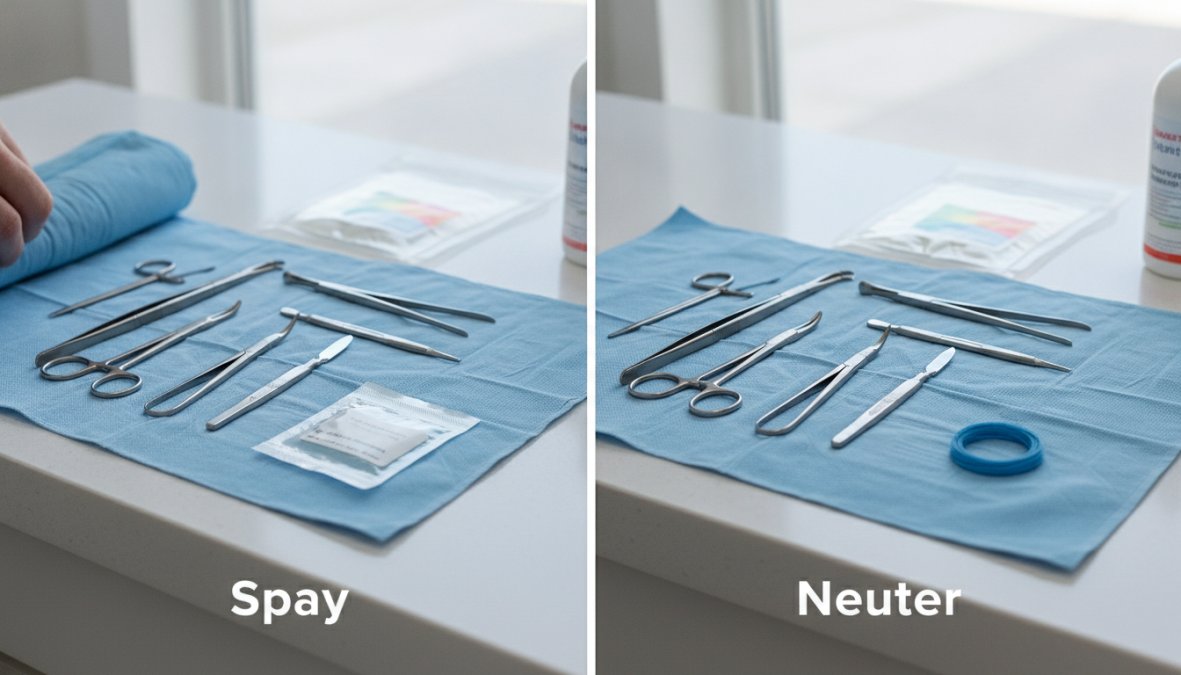
Neutering typically costs roughly 40-60% less than spaying for the same animal. A cat neuter might cost considerably less than a dog spay at the same clinic, while a large-breed dog spay involves significantly more time and anesthesia than a small-breed cat spay. Geographic location, clinic overhead, and veterinarian experience also shift these numbers, but procedure complexity remains the core cost driver.
Low-Cost Spay and Neuter Clinics Near Me
Finding affordable spay and neuter services doesn’t mean compromising on quality or safety. Low-cost clinics focus on simplifying operations to reduce overhead while maintaining surgical standards.
SpayUSA’s nationwide referral network connects pet owners with vetted, affordable clinics across the country. The database filters by location and animal type, making it simple to find options near you. These clinics typically focus exclusively on sterilization procedures, allowing higher efficiency and lower costs than full-service hospitals.
The ASPCA’s low-cost spay and neuter programs provide services in select cities at significantly reduced rates for income-qualified residents. Mobile clinics visit specific neighborhoods on scheduled days, making access easier for people without reliable transportation. Savings can reach 50-70% below private practice pricing.
Corepet Surgical Center operates as a modern surgery center focused exclusively on spay, neuter, and dental procedures in Bedford, New Hampshire. This focused approach allows our team to maintain exceptional standards while keeping costs reasonable.
Spay and Neuter Recovery Time and Post-Op Costs
Recovery time differs significantly between spaying and neutering. Neutered males typically recover within 7-10 days, while spayed females often require 10-14 days of restricted activity. The longer recovery period for spaying increases complication risk if the incision isn’t properly protected.
Post-operative care includes pain management medications, typically prescribed for 7-14 days following surgery. Many clinics include this in the initial procedure cost, while others charge separately. Antibiotics may be prescribed if infection risk is elevated. Surgical site monitoring is crucial, any swelling, discharge, or behavioral changes warrant a veterinary check-up.
|
Recovery Factor |
Spay |
Neuter |
|---|---|---|
|
Typical Recovery Time |
10-14 days |
7-10 days |
|
Activity Restriction |
Strict (no running/jumping) |
Moderate (limited play) |
|
Pain Medication Duration |
10-14 days |
7-10 days |
|
Incision Size |
Larger (1-2 inches) |
Smaller (0.5-1 inch) |
|
Complication Risk |
Higher |
Lower |
|
Average Post-Op Exam Cost |
$75-150 |
$50-100 |
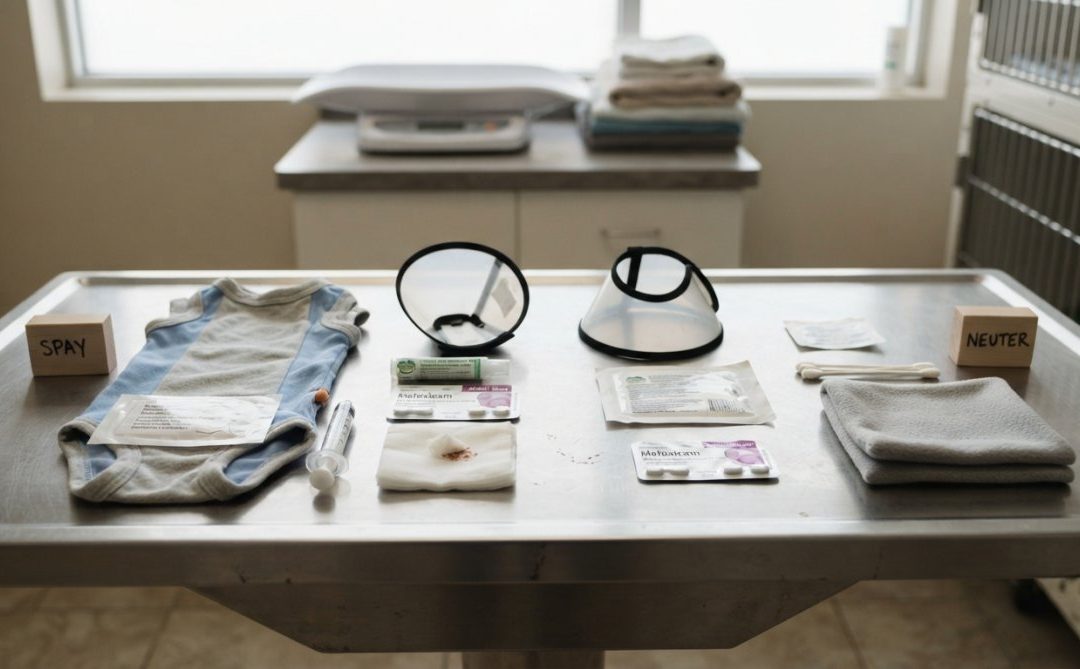
Most complications arise from premature activity or improper incision care rather than surgical error. Keeping your pet calm during recovery is the single most important factor in avoiding expensive follow-up visits. E-collars prevent licking and cost $15-40 separately, while recovery suits typically run $20-60.
Preventative pain management during recovery reduces stress on the incision and promotes faster healing. Many clinics now include multimodal pain protocols as standard practice, reducing complication rates and follow-up expenses.
Navigating spay and neuter decisions involves balancing procedure costs, recovery considerations, and long-term pet health. The choice between different clinics and financing options depends on your budget, timeline, and location. Corepet’s focused approach to sterilization surgery, combined with modern surgical techniques and individualized recovery protocols, helps pet owners access exceptional care at reasonable costs.
Frequently Asked Questions
Why is spaying more expensive than neutering?
Spaying (ovariohysterectomy) is a more invasive surgical procedure than neutering (orchiectomy). It requires opening the abdominal cavity to remove the ovaries and uterus, while neutering involves removing external reproductive organs. The increased surgical time, anesthesia requirements, and veterinary technician involvement make spaying more costly. Additionally, spaying prevents serious conditions like pyometra, making it a critical preventative care procedure.
What factors influence the cost of spay and neuter procedures?
Multiple factors affect pricing: pet age, weight, and breed; pre-anesthetic blood work requirements; anesthesia type and monitoring; surgical facility overhead; veterinary surgeon experience; geographic location; and post-operative pain management protocols. Younger, smaller pets typically cost less. Facilities using advanced surgical techniques and modern equipment may charge more but often provide superior outcomes and safety standards.
Does pet insurance cover spay and neuter costs?
Standard pet insurance policies typically don't cover elective surgeries like spay and neuter. However, many insurers offer optional Preventive Care add-ons that reimburse sterilization costs up to plan limits. MetLife and AKC Pet Insurance both provide wellness add-ons covering these procedures. Check your policy's specific coverage limits and reimbursement rates, as they vary significantly between providers and plans.
How long is the recovery time after spay or neuter surgery?
Most pets recover from sterilization within 7-14 days, though full healing takes 2-3 weeks. Spaying typically requires longer recovery due to the more invasive nature of the procedure. During recovery, pets need restricted activity, incision care, pain management, and veterinary monitoring. Complications are rare when post-operative instructions are followed, but infection or dehiscence can extend recovery time and add unexpected costs.
What is included in the cost of spay and neuter surgery?
Typical costs include the surgical procedure itself, anesthesia, pre-surgical blood work, post-operative pain medications, and the veterinary surgeon's expertise. Some clinics bundle in a follow-up exam, while others charge separately. Ask your veterinary clinic for a detailed breakdown of what's included versus what's additional. Understanding these components helps you compare costs accurately between different facilities.
Are there low-cost spay and neuter options available?
Yes. Many nonprofit organizations, animal shelters, and specialized low-cost clinics offer sterilization services at significantly reduced rates. SpayUSA operates a nationwide referral network connecting pet owners with affordable providers. ASPCA mobile clinics serve select cities with subsidized pricing. Local animal shelters often partner with veterinary clinics offering discounted rates. These options maintain safety standards while improving accessibility for budget-conscious pet owners.
This article was written using GrandRanker