Why Professional Dental Cleaning for Kittens Matters
Professional dental cleaning for kittens prevents serious complications later in life. Early plaque and tartar buildup can lead to periodontal disease and tooth loss. According to veterinary dental health guidelines, dental disease affects a significant portion of cats, and prevention during the kitten stage sets the foundation for healthier teeth throughout their lives. At CorePet in Bedford, New Hampshire, our team focuses on preventative care that stops problems before they start.
How to Brush Kitten Teeth and Why It Matters
Daily tooth brushing is the most effective at-home defense against plaque and tartar accumulation. Start when your kitten is young using a soft-bristled toothbrush designed for cats and pet-safe toothpaste, never human toothpaste, which contains harmful fluoride.
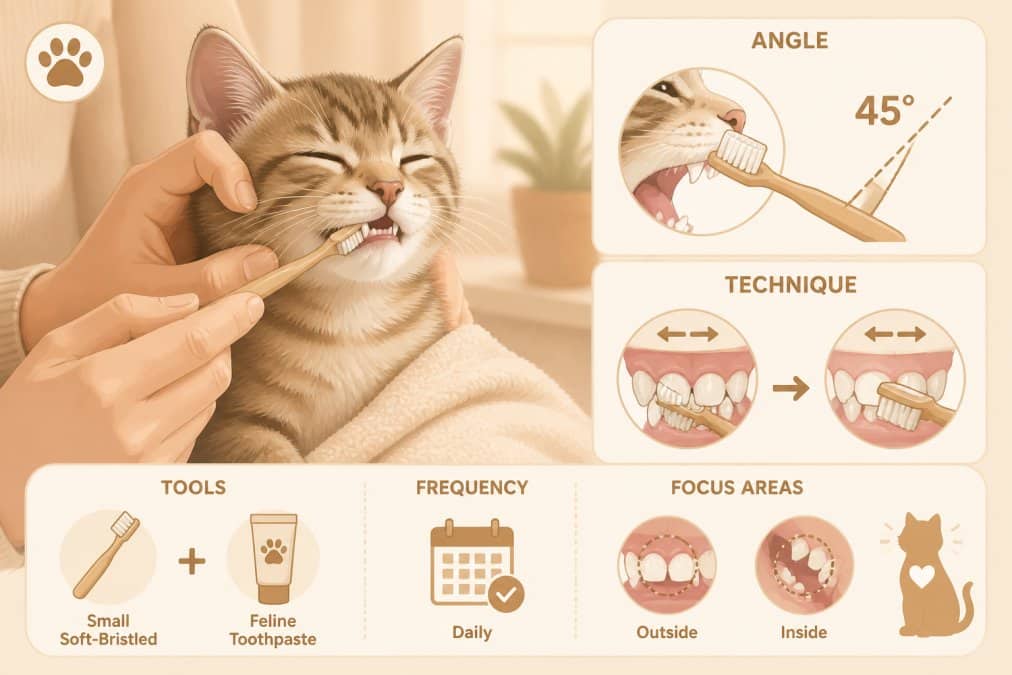
Brush the outer surfaces where plaque accumulates most, starting with short 30-second sessions and increasing duration as your kitten becomes comfortable. Aim for at least 3-4 times per week, since plaque forms within 24 hours of eating.
Signs of Kitten Gingivitis and When to Seek Professional Care
Gingivitis, inflammation of the gums, is the earliest stage of dental disease in kittens. Watch for red or swollen gums, bad breath, or reluctance to eat hard food. Early detection matters because gingivitis is reversible with professional cleaning and improved home care; once it progresses to periodontal disease, damage becomes permanent. If your kitten needs dental care, Spay Neuter Dental services at CorePet can address these concerns as part of comprehensive preventative health.
Anesthesia Safety and Pre-Surgical Preparation
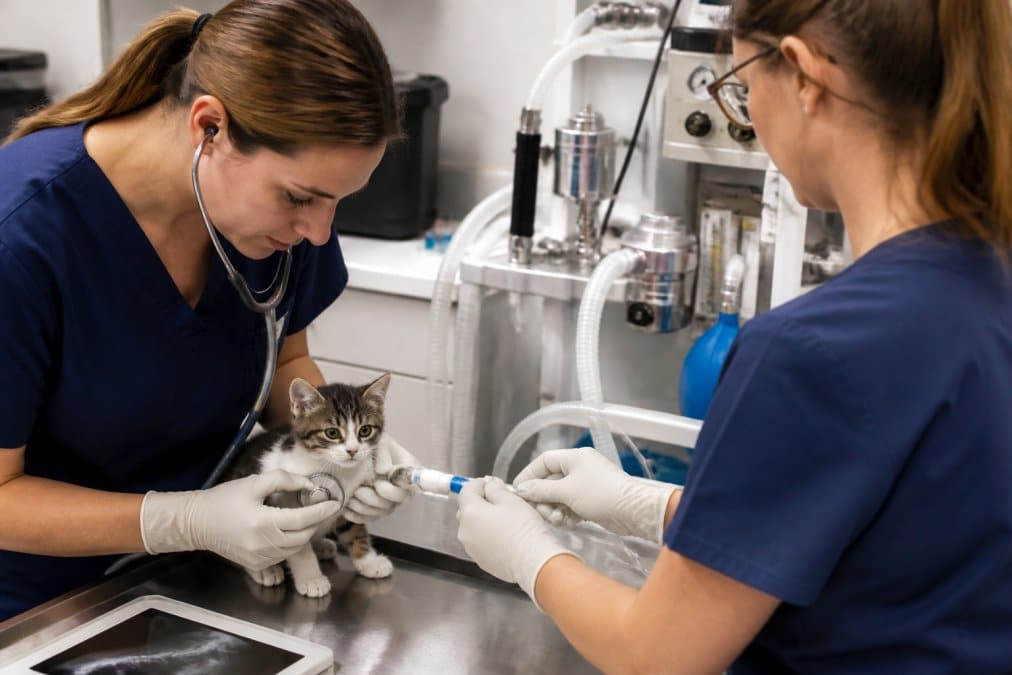
Anesthesia is necessary for professional dental cleaning to allow thorough cleaning below the gumline. Modern anesthesia protocols are safe for healthy kittens when proper precautions are taken. Pre-operative blood work evaluates kidney and liver function, and vital signs are monitored continuously throughout the procedure.
Recovery at Home and Post-Operative Care
Most kittens recover quickly from dental cleaning with mild grogginess for a few hours. Keep your kitten in a quiet space away from other pets, offer soft food for the first few days, and avoid vigorous play for at least 48 hours.
Professional dental cleaning for kittens prevents costly complications and extends your cat’s healthspan. CorePet in Bedford, New Hampshire focuses on safe, affordable dental procedures with advanced surgical techniques and individualized care. Book an appointment to discuss your kitten’s dental health with our experienced team.
This article was written using GrandRanker