Last Updated: August 21, 2026
Is Anesthesia Safe for Older Dogs: What the Research Shows
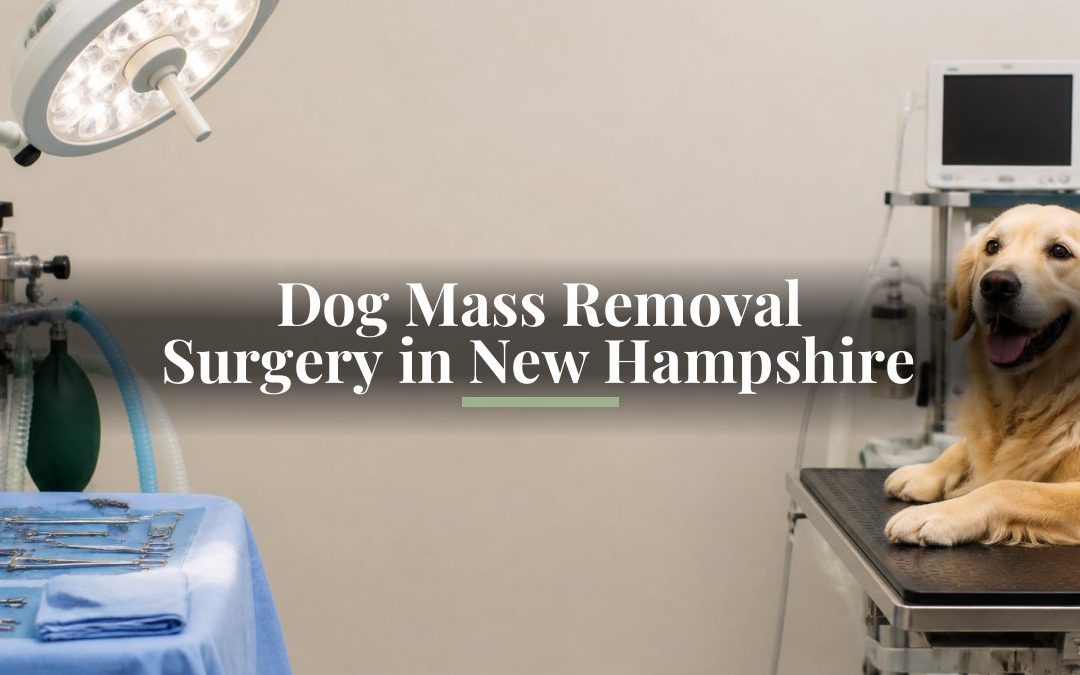
Yes, when proper pre-operative screening and modern monitoring are in place. Age alone is not a disease. Modern anesthetic protocols use pre-anesthetic blood work, intravenous fluids, and continuous monitoring equipment that detects changes in heart rate, oxygen saturation, and blood pressure in real time (avma.org).

The concern "My dog is too old for surgery" stems from outdated information. Today’s approach focuses on identifying which specific health conditions pose actual risk, rather than treating age as the risk factor itself.
Pre-Anesthetic Blood Work for Dogs: Why It Matters
Blood work measures kidney and liver function, electrolyte balance, blood glucose, and protein levels, revealing whether the dog can safely metabolize anesthetic drugs (aaha.org). Without this screening, a dog with undetected kidney disease or heart murmur could experience dangerous complications.
Senior Dog Surgery Risks: What to Expect
Older dogs face increased anesthetic risk compared to younger animals, but "increased" does not mean "dangerous." Common chronic conditions like heart murmurs, kidney disease, and arthritis can complicate anesthesia, but these factors shape how surgery is conducted, not contraindications. Post-operative recovery takes longer in older dogs, but modern monitoring catches problems early. oxygen concentrators for dogs.
Post-Operative Care for Senior Dogs: Recovery Checklist
Create a quiet, comfortable recovery space away from other pets. Monitor your dog for difficulty standing, reduced appetite, lethargy, discharge from the surgical site, or vomiting, report any concerns to your veterinarian. Pain management is essential; give medications exactly as directed. Restrict activity for at least 10-14 days after surgery, no running, jumping, or swimming, only short leashed walks (avma.org).

Anesthesia for Dental Procedures in Older Dogs
Dental procedures often require general anesthesia in older dogs. A dental prophylaxis removes tartar and addresses early disease before it progresses, preventing painful infections and tooth loss.
Preparing Your Older Dog for Surgery
Discuss the procedure and recovery timeline with your veterinary team. Follow pre-operative fasting instructions exactly, typically, dogs should not eat for 6-8 hours before surgery. Bring all medical records and current medications to the appointment.
Why Modern Monitoring Technologies Matter
Continuous monitoring during anesthesia is the single most important safety measure for older dogs. Pulse oximetry measures oxygen saturation, capnography tracks breathing patterns, and blood pressure monitoring detects drops that could reduce blood flow to vital organs.
Pet owners in New Hampshire considering surgery for their older dog should start with a conversation with a trusted veterinary team. Ask about pre-operative screening, the anesthetic protocol, monitoring during surgery, and post-operative care. A surgical center that answers these questions clearly demonstrates the focus on patient safety that senior dogs deserve.
This article was written using GrandRanker