Table of Contents
- Understanding the Difference: Surgical Center vs General Practice
- Key Differences in Equipment, Training, and Expertise
- When to Choose a Surgical Center vs General Practice for Your Pet
- Understanding Cost and the Veterinary Referral Process
Last Updated: July 30, 2026
Understanding the Difference: Surgical Center vs General Practice
When choosing veterinary care for your pet, understanding the distinction between a veterinary surgical center and general practice is essential. At CorePet in Bedford, New Hampshire, we focus exclusively on surgical procedures, spay, neuter, and dental work, which sets us apart from traditional general veterinary practices that handle everything from wellness exams to emergency care. A general practice veterinarian provides comprehensive care across all medical needs, while a surgical center concentrates expertise and resources on specific high-impact procedures.
The key distinction: general practices offer one-stop convenience; surgical centers offer concentrated expertise in specific procedures. Your choice depends on whether you value breadth of services or depth of surgical excellence.
Key Differences in Equipment, Training, and Expertise
A surgical center focused on spay, neuter, and dental procedures invests heavily in specialized surgical suites, advanced anesthesia monitoring systems, and diagnostic tools designed specifically for those procedures. General practices maintain broader equipment to serve multiple medical needs but rarely achieve the same level of surgical focus.
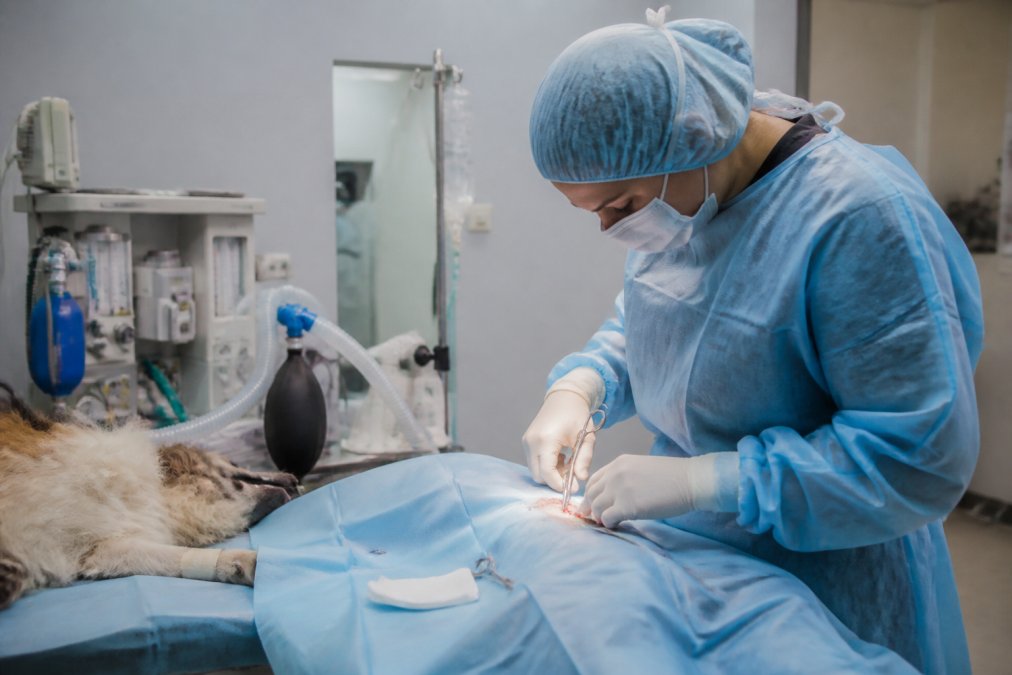
Veterinarians at surgical centers often pursue additional education beyond their Doctor of Veterinary Medicine (DVM) degree. General practice veterinarians receive broad clinical training but typically don’t pursue the same level of surgical focus.
Surgical center technicians are trained specifically for surgical assistance and anesthesia monitoring, while general practice technicians divide attention across multiple roles. A surgical center technician’s entire focus is surgical excellence. Equipment maintenance also differs, a surgical center’s anesthesia machines and monitoring equipment are maintained on strict schedules because they’re used intensively for their specific purpose.
When to Choose a Surgical Center vs General Practice for Your Pet
Choose a general practice when your pet needs routine care, preventative services, or when you value having a single veterinarian who knows your pet’s complete medical history. Choose a surgical center when your pet needs a specific procedure, spay, neuter, or dental surgery, and you want a high level of surgical expertise.
Location and accessibility matter practically. Many surgical centers in the Bedford area accept direct appointments without referrals. If your pet needs emergency surgery at 2 a.m., a general practice emergency clinic may be your only option; most surgical centers operate during standard business hours.
Surgical centers often charge less for routine spay and neuter procedures because they’ve optimized the workflow for efficiency.
A common mistake: assuming a surgical center is always “better” for surgery. Reality: a surgical center is better only if the procedure you need aligns with their focus. For complex cases involving multiple health conditions, a general practice with access to advanced diagnostics may actually provide better outcomes.
Understanding Cost and the Veterinary Referral Process
Your general practice veterinarian can evaluate your pet, determine that a specific procedure is needed, and refer you to a surgical center. The referral isn’t mandatory, many surgical centers accept direct appointments, but it’s often recommended because it gives the surgical center access to your pet’s medical history.
A comprehensive surgical quote should include the surgical fee, anesthesia, pre-operative bloodwork, pain management medications, and post-operative care instructions. Ask specifically whether bloodwork, anesthesia, and pain medication are included in the quoted price or if they’re additional charges.
| Aspect | General Practice | Surgical Center |
|---|---|---|
| Scope | Comprehensive care across all medical needs | Focused on specific procedures (spay, neuter, dental) |
| Equipment | Broad range of diagnostic and treatment tools | Specialized surgical equipment for specific procedures |
| Veterinarian Training | DVM degree with broad clinical experience | Often advanced surgical training |
| Appointment Availability | Direct scheduling, often same-week | May require referral; focused scheduling |
| Emergency Care | Available 24/7 at emergency clinics | Limited to business hours |
| Post-Operative Follow-Up | Continuity with familiar veterinarian | May require follow-up with your general practice |
Advantages of General Practice
A general practice veterinarian becomes familiar with your pet’s complete medical history, personality, and health patterns over time. This continuity matters when your pet develops a chronic condition or when unexpected health issues arise. General practices provide true one-stop care and offer emergency access through affiliated emergency clinics.
Advantages of Surgical Centers
A surgical center that focuses exclusively on spay, neuter, and dental procedures develops expertise that’s difficult for a general practice to match. When you perform the same procedure 50 times per week, you develop technical skill and efficiency that comes only from high-volume repetition.
Advanced anesthesia monitoring is standard at surgical centers. Because surgery is their only focus, they invest in sophisticated equipment that monitors heart rate, blood oxygen, blood pressure, and body temperature continuously throughout the procedure. For pets with health concerns or advanced age, this level of monitoring significantly reduces surgical risk.
Simplified workflows reduce surgical time and stress on your pet. Pain management protocols are often more comprehensive, with pre-operative pain medication, intra-operative pain control, and post-operative pain management tailored to the specific procedure.
The core advantage of a surgical center: when your pet needs a specific procedure, you’re trusting it to a team that does nothing but that procedure. When your pet needs comprehensive care, a general practice offers continuity and breadth.
Common Procedures at General Practices
General practices perform routine spay and neuter surgeries regularly. They also manage mass removal, dental cleaning, orthopedic procedures like cruciate ligament repair or fracture repair, and soft tissue surgery.
Common Procedures at Surgical Centers
A surgical center focused on spay, neuter, and dental procedures becomes exceptionally skilled at these high-volume surgeries. Spay Neuter Dental procedures are performed with refined technique and optimized anesthesia protocols. Spay and neuter procedures are performed with refined technique and optimized anesthesia protocols. Dental procedures range from routine cleaning to extractions to more complex periodontal work.
Making Your Decision in Bedford, New Hampshire
Pet owners in Bedford have access to both general practices and surgical centers. If your pet is young and healthy and you need a routine spay or neuter, a surgical center focused on these procedures offers excellent expertise. If your pet has multiple health concerns or you value continuity of care, a general practice provides comprehensive management.
Many pet owners use both, maintaining a relationship with a general practice for wellness care and emergency access, then referring to a surgical center when a specific procedure is needed. This hybrid approach gives you the continuity of general practice care plus the focused expertise of a surgical center.
CorePet in Bedford focuses exclusively on spay, neuter, and dental procedures, which means every aspect of our facility, equipment, staff training, surgical protocols, and anesthesia monitoring is optimized for these specific surgeries. If your pet needs one of these surgeries, our focused expertise and simplified approach offer both safety and affordability. For other medical needs, your general practice veterinarian remains your partner for comprehensive care.
Frequently Asked Questions
What is the main difference between a veterinary surgical center and a general practice?
General practices provide comprehensive care including wellness exams, preventative care, routine surgeries like spay and neuter, and basic diagnostics. Surgical centers focus exclusively on surgical procedures and typically employ board-certified veterinary surgeons with advanced training. Surgical centers are equipped with specialized surgical suites and advanced diagnostics designed for complex or high-risk procedures that general practices may not be equipped to handle.
When should I take my pet to a surgical center instead of my general veterinarian?
Your general veterinarian may recommend a referral to a surgical center when your pet requires complex procedures, orthopedic surgery, soft tissue surgery, or has high-risk health conditions requiring specialized expertise and advanced equipment. Simple routine surgeries like routine spay/neuter and dental cleanings are often performed safely at general practices. Your veterinarian will guide you on whether specialized surgical care is appropriate for your pet's situation.
How does the veterinary referral process work between general practices and surgical centers?
Your general veterinarian evaluates your pet's condition and medical history, then refers you to a surgical center if specialized expertise is needed. The general practice sends your pet's patient history and diagnostic records to the surgical center. The surgical center reviews these materials, schedules a consultation, and coordinates post-operative care with your general veterinarian. This collaborative approach ensures continuity of care throughout treatment and recovery.
What qualifications should I look for in a veterinary surgeon at a surgical center?
Look for veterinarians who are board-certified through the American College of Veterinary Surgeons (ACVS) or hold advanced certifications in their focus area. Board-certified status indicates completion of a surgical residency and rigorous examination. Ask about the surgeon's experience with your pet's specific condition, training background, and whether they maintain continuing education in advanced surgical techniques.
Are surgical centers more expensive than general practices, and what should I expect in a cost estimate?
Costs vary based on the complexity of the procedure, your pet's health status, and required diagnostics. A transparent cost estimate should itemize anesthesia, surgical fees, advanced veterinary diagnostics, pain management, and post-operative care. Ask your surgical center to explain what is included in their quote and whether bloodwork or imaging is recommended before surgery. Comparing quotes between facilities helps you understand pricing, but the lowest cost should not be your only consideration, experience and safety protocols matter significantly.
The decision between a surgical center and a general practice isn’t about one being universally better, it’s about choosing the right fit for your pet’s specific needs. If your dog, cat, or rabbit needs a spay, neuter, or dental procedure, CorePet brings specialized expertise, advanced equipment, and efficient care designed specifically for these surgeries. Book an appointment with CorePet and experience the difference that focused surgical expertise makes for your pet’s health and recovery.
This article was written using GrandRanker