Table of Contents
- Understanding Veterinary Surgery for Pets
- Pet Spay and Neuter Services in New Hampshire
- Veterinary Dental Surgery for Pets
- Anesthesia Safety for Dogs and Cats
Understanding Veterinary Surgery for Pets
Veterinary surgery for pets encompasses a range of procedures designed to improve health, prevent disease, and address urgent medical conditions. From routine preventive surgeries to emergency interventions, these procedures require advanced knowledge, modern equipment, and careful post-operative care. Understanding what’s involved helps pet owners make informed decisions about their animal’s health.
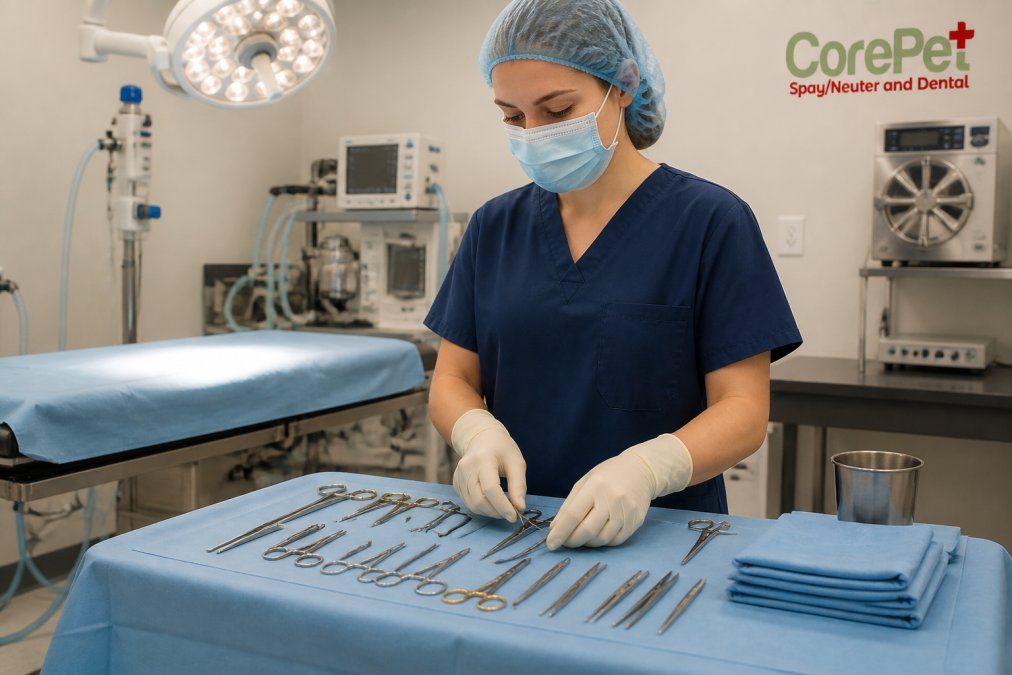
Common procedures include spay and neuter services, dental work, soft tissue surgery, and orthopedic interventions. CorePet focuses on delivering safe, individualized care for dogs, cats, and rabbits through advanced surgical techniques and modern equipment designed to minimize risk and promote rapid healing.
Many pet owners delay necessary surgery due to cost concerns or fear of complications. Early intervention typically costs less than emergency care, and modern anesthesia protocols make surgery safer than ever for healthy pets.
Pet Spay and Neuter Services in New Hampshire
Spay and neuter procedures are among the most frequently performed veterinary surgeries, preventing unwanted litters while reducing the risk of certain cancers and reproductive infections. A spay removes the ovaries and uterus, while a neuter removes the testicles. Both procedures are performed under general anesthesia with careful monitoring throughout.
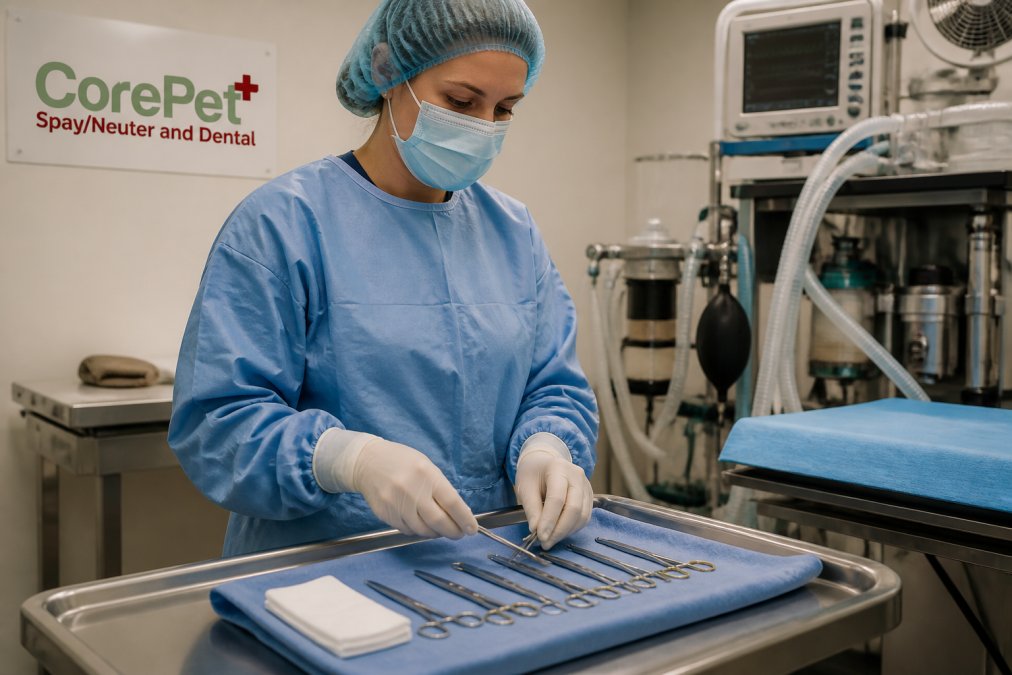
The procedure typically takes 20-30 minutes for straightforward cases, though the total appointment includes pre-operative bloodwork, anesthesia preparation, and initial recovery monitoring. Pain management begins before surgery and continues for several days afterward. Post-operative recovery usually spans 7-14 days, during which pets need restricted activity and wound monitoring.
Many pet owners in New Hampshire choose dedicated surgical centers for these procedures because focused facilities maintain higher surgical volumes, simplified workflows, and specialized equipment that general practices may lack. This consistency often translates to faster recovery times and fewer complications.
Spay and neuter procedures prevent serious health problems and unwanted breeding. Early intervention provides the greatest health benefit.
Veterinary Dental Surgery for Pets
Dental disease is one of the most common health issues affecting dogs and cats, yet many pet owners don’t realize their animal needs surgical intervention until significant damage has occurred. Dental surgery includes cleaning and polishing under anesthesia, extraction of diseased teeth, and treatment of gum disease.
Dental procedures require intravenous fluids, careful anesthesia monitoring, and specialized equipment like ultrasonic scalers and surgical extraction tools. Pre-operative bloodwork ensures the pet can safely tolerate anesthesia, particularly important for senior animals. Recovery is typically faster than major surgery, with most pets resuming normal eating within 24-48 hours.
Delaying dental treatment allows infection to spread into the bloodstream, potentially affecting the heart, kidneys, and liver. Early intervention prevents systemic complications and preserves more teeth.
Anesthesia Safety for Dogs and Cats
Modern anesthesia protocols have transformed anesthesia into a carefully controlled medical process. Pre-anesthetic bloodwork identifies underlying conditions that might complicate anesthesia, and monitoring equipment tracks heart rate, blood pressure, oxygen levels, and body temperature throughout the procedure.
Senior pets and those with pre-existing conditions require modified anesthesia protocols. Reduced dosages and alternative drug combinations allow older animals to undergo necessary surgery safely. Pain management during and after surgery prevents suffering and supports faster healing through multimodal approaches using several pain-control methods together.
The combination of pre-operative assessment, careful drug selection, continuous monitoring, and skilled personnel makes modern surgical anesthesia a low-risk procedure for healthy pets and a manageable risk for those with health challenges.
Choosing to pursue veterinary surgery for your pet is a significant decision, but it’s often the path to a longer, healthier life. CorePet brings together advanced surgical techniques, modern anesthesia protocols, and individualized care planning to ensure your dog, cat, or rabbit receives the safest possible treatment. Book an Appointment today to discuss your pet’s surgical needs and learn how CorePet can help.
Frequently Asked Questions
Q: What should I do to prepare my pet for veterinary surgery?
A: Pre-surgical preparation is essential for safe outcomes. Your veterinarian will recommend fasting (typically 6-8 hours before anesthesia), bloodwork to assess organ function, and a physical examination. Provide a detailed medical history, including any medications or allergies. Arrange for a quiet recovery space at home, and plan to have someone available for post-operative monitoring. Ask your surgical team for a complete pre-operative checklist specific to your pet's procedure.
Q: How does anesthesia safety work for dogs and cats during surgery?
A: Anesthesia safety involves multiple layers of protection. Pre-anesthetic blood work evaluates liver and kidney function to ensure your pet can metabolize anesthesia safely. During surgery, vital signs monitoring tracks heart rate, blood pressure, oxygen levels, and temperature continuously. Intravenous fluids support circulation and organ perfusion. Trained veterinary technicians manage sedation and pain medication throughout the procedure. Senior pets receive customized protocols with adjusted dosages and extended monitoring.
Q: What is included in pet surgery recovery tips and post-operative care?
A: Post-operative recovery requires careful wound management and activity restriction. Keep the incision clean and dry, and prevent your pet from licking or chewing the surgical site using an Elizabethan collar if needed. Administer pain medication as prescribed, typically for 7-10 days. Restrict exercise and jumping for 10-14 days to allow proper healing. Monitor for signs of infection, excessive swelling, or discharge. Attend all follow-up appointments for suture removal and healing assessment. Most pets return to normal activity within 2-3 weeks depending on the procedure type.
This article was written using GrandRanker