Table of Contents
- Best E-Collar Alternatives for Dog Surgery Recovery
- How Long Should a Dog Wear a Cone After Surgery?
- How to Stop a Dog from Licking an Incision
- Inflatable and Donut Collars for Dogs After Surgery
- Soft and Fabric Recovery Collars
- Recovery Suits and Surgical Onesies
- Flexible Cones and Other Alternatives
- Fit, Sizing, and Adjustability
- Matching the Option to the Surgery Site
- Veterinary Discharge Instructions and Escalation Signs
- Where to Find Recovery Supplies in New Hampshire
- Frequently Asked Questions
Last Updated: October 12, 2026
Best E-Collar Alternatives for Dog Surgery Recovery
The rigid plastic cone is the default barrier after surgery, but many owners find it stressful. The best e-collar alternatives for dog surgery recovery include inflatable collars, soft fabric collars, flexible cones, recovery suits, and surgical onesies.
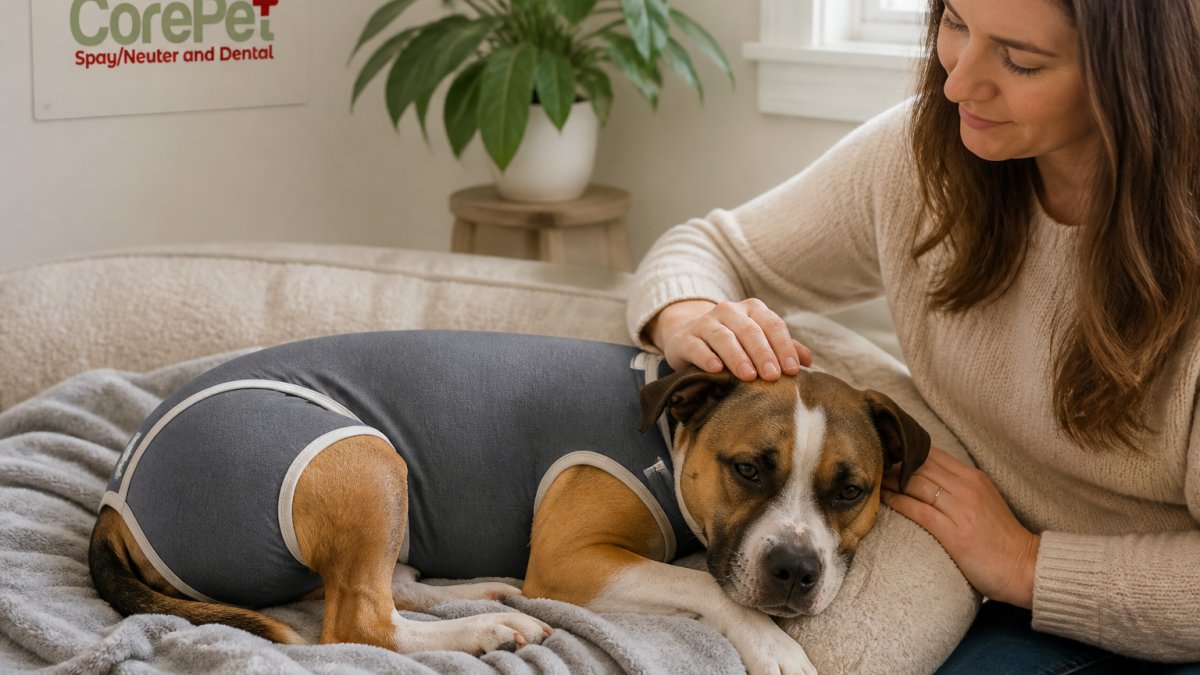
Every recovery barrier does one job: prevent the dog from reaching and irritating the incision long enough for healing to begin.
| Alternative | Best For | Key Trade-Off |
|---|---|---|
| Inflatable collar | Neck and torso incisions | Less effective for paw or tail wounds |
| Soft fabric collar | Dogs who panic in plastic cones | Can sag if not sized well |
| Flexible cone | Full-body protection with more give | Still blocks some peripheral vision |
| Recovery suit | Torso, flank, and abdominal incisions | Must allow urination access |
| Surgical onesie | Small incisions and light chewers | Not for determined scratchers |
Match the barrier to the wound, not the breed. A dog with a flank incision can often wear a recovery suit, while a dog with a paw wound usually needs a cone-style barrier that keeps the foot out of reach.
How Long Should a Dog Wear a Cone After Surgery?
Most dogs need a cone or alternative barrier for the full recovery period, commonly about 10 to 14 days, depending on the procedure and the veterinarian’s instructions.
Follow discharge instructions exactly, keep the barrier on overnight and whenever the dog is unsupervised, and ask the vet before removing it even if the incision looks healed.
Taking the cone off “just for a minute” so the dog can eat or go outside is one of the most common reasons incisions reopen. A dog can reach a wound and start licking in seconds.
How to Stop a Dog from Licking an Incision
The most reliable way to stop a dog from licking an incision is a physical barrier plus close supervision. Choose a barrier that blocks the specific wound, fit it so it cannot be pushed aside or rub the neck, and supervise during meals, potty breaks, and greetings.
Inflatable and Donut Collars for Dogs After Surgery
An inflatable collar for dogs after surgery is a ring-shaped barrier around the neck that limits how far the head can turn. These work well for neck and torso incisions, but are less reliable for paw, tail, or lower-leg wounds, and can be punctured by a chewer.
Soft and Fabric Recovery Collars
A soft or fabric collar uses padded material instead of hard plastic, offering a gentler barrier that still limits head movement. Dogs who panic in a rigid cone often settle faster in one, but a soft collar may sag if not sized well.
Soft and fabric collars are a strong choice for dogs who are distressed by plastic cones, but they work best for calm dogs with wounds the collar can actually block.
Recovery Suits and Surgical Onesies
A recovery suit for dogs after surgery is a snug garment that covers the torso and protects the incision directly. Also called a surgical suit or surgical onesie, it works especially well for abdominal, flank, and torso incisions, but must allow urination access or be rolled up for potty breaks.
Flexible Cones and Other Alternatives
A flexible cone uses softer, bendable material while still wrapping around the head like a traditional cone, offering more give than rigid plastic while keeping the head away from most wounds. Other options include neck braces, recovery sleeves, and recovery boots, which protect a limb or paw directly.
Fit, Sizing, and Adjustability
Fit is where most recovery barriers succeed or fail: a correctly sized collar or suit stays in place, while one that is too loose gets pushed aside and one that is too tight causes rubbing. A practical reach test confirms the barrier is working: put it on the dog, offer a treat or toy near the wound, and watch whether the dog can bend or twist to reach the incision.
Matching the Option to the Surgery Site
Which option works best depends heavily on where the surgery happened. Matching the barrier to the wound location is the single most useful decision an owner can make.
| Surgery Site | Often Works Well | Watch Out For |
|---|---|---|
| Abdomen or flank | Recovery suit, soft collar | Urination access |
| Neck or chest | Inflatable collar, soft collar | Fit around the neck |
| Paw or leg | Flexible cone, recovery boot | Reaching with the mouth |
| Tail or rear | Full cone, recovery suit | Suit coverage at the back |
| Head or face | Full cone | Rubbing against the wound |
For spay, neuter, or dental procedures, the wound location usually points to a clear best fit: a spay incision often pairs well with a recovery suit, while a dental procedure may need a barrier that keeps the dog from pawing at its mouth.
Veterinary Discharge Instructions and Escalation Signs
The veterinarian’s discharge instructions are the final word on which barrier to use and for how long. Call the vet if the incision reopens or bleeds, redness, swelling, or discharge appears, the dog seems painful or refuses to eat, the barrier causes rubbing or sores, or the dog keeps reaching the wound despite it.
Where to Find Recovery Supplies in New Hampshire
Owners searching for recovery collars, suits, and cones near me in New Hampshire can find supplies at local pet stores, larger retailers, and online. Availability varies, so call ahead or order early, ideally before the surgery date. CorePet is a locally owned surgery center in New Hampshire focused on spay, neuter, and dental procedures for dogs, cats, and rabbits, using modern surgical techniques and equipment.
Frequently Asked Questions
What can I use instead of a cone for my dog after surgery?
Several e-collar alternatives can protect your dog’s incision. Recovery suits cover the torso and are ideal for abdominal surgeries. Inflatable collars for dogs after surgery create a soft barrier around the neck, preventing licking without blocking vision. Soft fabric collars offer flexibility for resting. The best choice depends on the surgery site and your dog’s flexibility. Always confirm with your veterinarian that the alternative provides adequate protection.
How long should a dog wear a cone after surgery?
The duration depends on the procedure and your dog’s healing speed. Most veterinarians recommend keeping the protective barrier on for 10 to 14 days, or until the incision is fully closed. For spay or neuter surgeries, this typically means until the sutures are removed or dissolve. Your discharge instructions will specify the exact timeline. Removing the cone early risks infection or opening the wound.
Can a recovery suit stop a dog from licking an incision?
A recovery suit for dogs after surgery acts as a physical barrier, covering the incision and preventing direct access. It works well for abdominal or flank incisions. However, if the wound is on a limb or paw, a suit may not cover it. You must also ensure the suit fits snugly but not too tight. Always supervise your dog, especially during the first few days, to confirm they cannot reach the wound.
Recovery after surgery comes down to protecting the incision and following the veterinarian’s instructions closely. CorePet supports pet owners with focused spay, neuter, and dental care, transparent guidance, and individualized discharge instructions that make at-home recovery easier to manage. Get started with CorePet and give your pet a calmer, more comfortable recovery.