Table of Contents
- Dog Mass Removal Surgery in New Hampshire: What to Expect
- Dog Mass Removal Recovery and Questions to Ask a Veterinarian
- Planning Surgery and Aftercare in New Hampshire
- Frequently Asked Questions
Last Updated: October 20, 2026
Dog Mass Removal Surgery in New Hampshire: What to Expect
Finding a lump on a dog is a stressful moment for any owner. Dog mass removal surgery in New Hampshire is a common soft-tissue procedure, and this guide from CorePet walks through what happens before, during, and after. Most masses turn out to be benign, but a hands-on exam is the only way to know.
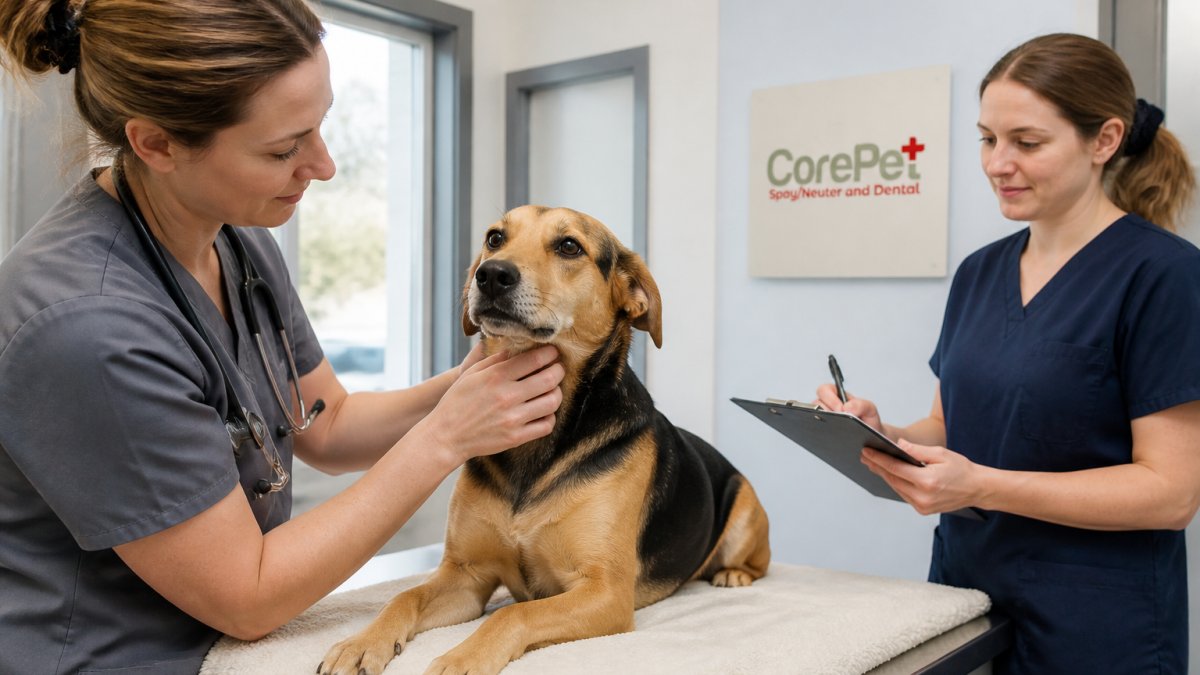
The process starts with a preoperative examination. A veterinarian feels the mass, notes its size and location, and may recommend a fine-needle aspiration or biopsy. Diagnostic testing tells the surgical team whether the mass is benign or something more serious.
Surgery itself is usually quick. The veterinary surgeon removes the mass with clean surgical margins, then closes the incision. Anesthesia and patient monitoring run throughout, with pain management built into the plan.
Ask whether the removed tissue will go to histopathology. Pathology results guide the next step, especially for tumor removal.
| Stage | What Happens | Why It Matters |
|---|---|---|
| Preoperative exam | Physical check, mass measurement | Confirms surgery is the right call |
| Diagnostic testing | Fine-needle aspiration or biopsy | Identifies the mass type |
| Surgery | Mass removal with margins | Removes the growth cleanly |
| Recovery | Incision care, pain control | Supports healing |
Dog Mass Removal Recovery and Questions to Ask a Veterinarian
Dog mass removal recovery usually takes one to two weeks, depending on the size and site of the incision. Owners should watch the incision for swelling, redness, or discharge and keep the dog from licking it. A follow-up appointment lets the veterinarian check healing and review pathology results.
Common mistakes happen here. Owners often skip the cone, allow too much activity, or miss the follow-up. Any of these can slow healing or lead to complications.
Questions to ask before surgery:
- What is included in the cost estimate?
- Will bloodwork and pain medication be bundled or added?
- Who monitors anesthesia?
- When will biopsy results arrive?
- What warning signs mean a call back?
A new lump after surgery deserves a prompt check. Waiting can delay diagnosis if the mass was cancerous.
Planning Surgery and Aftercare in New Hampshire
Planning ahead makes the day easier. Owners in Bedford and across New Hampshire can ask about referral options, itemized cost factors, and payment planning before scheduling. Recovery at home needs a quiet space, a soft bed, and a plan for short leash walks only.
CorePet focuses on spay, neuter, and dental procedures for dogs, cats, and rabbits. The team provides individualized care at reasonable costs, with modern equipment and clear quotes.
Ask for an itemized estimate and a written aftercare plan. Both reduce surprises and support a smoother recovery.
Frequently Asked Questions
How do veterinarians determine whether a dog’s lump needs to be removed?
A veterinarian typically starts with a physical exam and a fine-needle aspiration, which samples cells from the lump for lab review. If results are inconclusive or suspicious, a biopsy may be recommended. Size, location, how fast the lump is growing, and your dog’s overall health all factor into the decision. Some lumps are monitored, while others are removed promptly. Ask your vet to explain the reasoning behind their recommendation so you can make an informed choice about dog mass removal.
How long does dog mass removal recovery take?
Most dogs need about 10 to 14 days of restricted activity while the incision heals, with a recheck to confirm the site is closing well. During dog mass removal recovery, keep your dog leashed for walks, skip rough play, and use an Elizabethan collar if licking becomes a problem. Watch for swelling, discharge, or changes in appetite, and call your vet if anything looks off. Full return to normal activity usually follows the recheck appointment.
Will my dog need a biopsy after a mass is removed?
In most cases, yes. The removed tissue is typically sent to a pathology lab for histopathology, which identifies the type of mass and whether surgical margins are clean. This report guides whether further treatment or monitoring is needed. Ask when results are expected and who will review them with you. A dog mass biopsy after surgery is one of the most useful steps for planning next steps and understanding your dog’s prognosis.
A new lump or a scheduled mass removal raises real questions, and clear answers matter. CorePet offers focused surgical care with transparent quotes, modern techniques, and a compassionate team. Book an appointment with CorePet to plan your pet’s procedure with confidence.