Last Updated: November 21, 2026
Quick Summary
To monitor a pet heart rate at home, place two fingers on the inside of your pet’s upper hind leg, where the femoral artery runs, and count beats for 15 seconds. Multiply that number by four to get beats per minute, then record it in a simple log to track your pet’s usual pattern.
- Count beats for 15 seconds on the inside of the upper hind leg, then multiply by four.
- Choose a quiet moment when your pet is calm or resting for an accurate reading.
- Repeat the count on several days, since the trend matters more than a single reading.
- Puppies and small dogs usually have faster resting rates than large adult dogs.
- Call a veterinarian if resting rate stays well above or below normal, or rhythm seems irregular.
Table of Contents
- Step-by-Step: How to Check Your Pet’s Pulse and Count Heartbeats
- Normal Dog Heart Rate and Dog Heart Rate Chart by Size and Age
- Checking a Dog’s Heart Rate With a Stethoscope and When to Call Your New Hampshire Veterinarian
- Frequently Asked Questions
Step-by-Step: How to Check Your Pet’s Pulse and Count Heartbeats
Monitoring a pet heart rate at home is a simple way to spot changes early. You only need your fingers, a timer, and a calm pet. Most owners can learn the basic method in a few minutes, and a Tufts Foster Hospital guide on home heart monitoring describes at-home tracking as a practical option for pets with heart conditions.
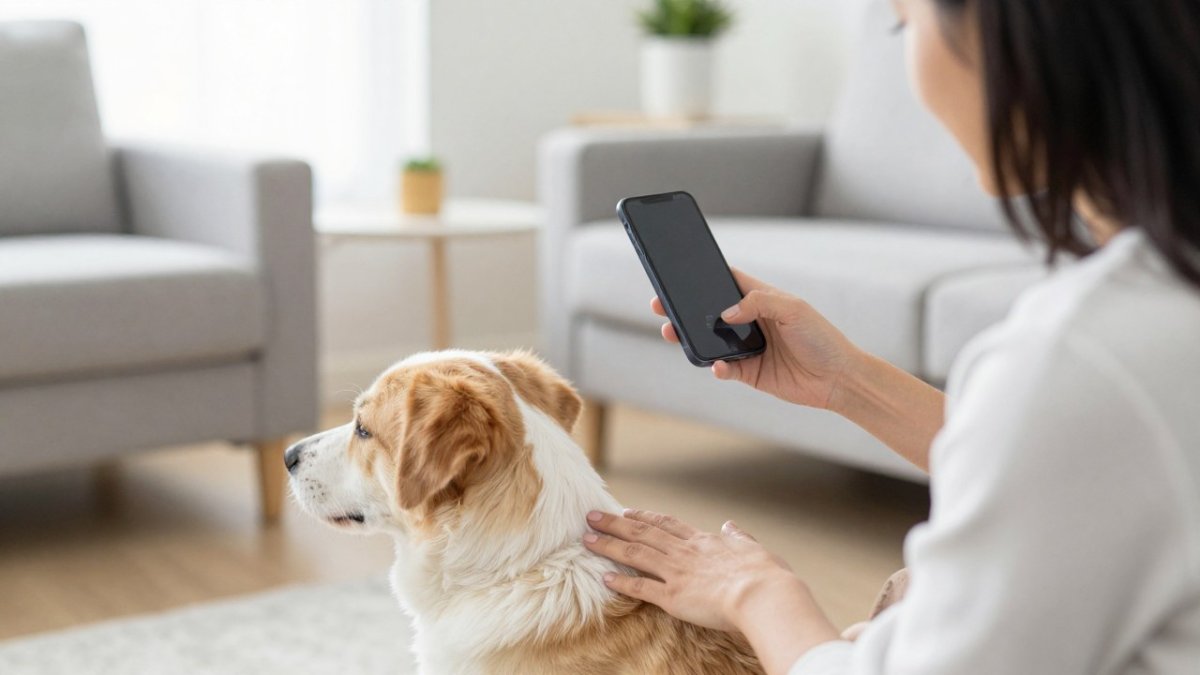
How to count the pulse:
- Find a quiet moment when your pet is calm or resting.
- Place two fingers on the inside of the upper hind leg, where the femoral artery runs.
- Count beats for 15 seconds, then multiply by four for beats per minute.
- Record the number in a simple log.
Repeat the count on several days to see your pet’s usual pattern; the trend matters more than a single reading.
Normal Dog Heart Rate and Dog Heart Rate Chart by Size and Age
A normal resting heart rate varies with age, size, and activity. Puppies and small dogs usually have faster rates than large adult dogs. Use a dog heart rate reference from a veterinary source to compare your dog’s readings, and always discuss what is normal for your pet with a veterinarian.
- Puppies and small dogs: generally faster resting rates
- Adult medium dogs: moderate resting rates
- Large adult dogs: generally slower resting rates
Checking a Dog’s Heart Rate With a Stethoscope and When to Call Your New Hampshire Veterinarian
Call a veterinarian promptly if your pet’s resting heart rate stays well above or below its usual range, if the rhythm seems irregular, or if you notice weakness, fainting, coughing, or trouble breathing. Local care is available through your New Hampshire veterinary clinic. For procedures such as spay, neuter, and dental care, you can book an appointment with CorePet.
Frequently Asked Questions
How can I check my dog’s heart rate at home?
Place two fingers on the inside of your dog’s thigh, where the femoral artery runs close to the skin, or on the left side of the chest behind the elbow. Count the beats for 15 seconds with a smartphone timer, then multiply by four to get beats per minute. Repeat the count when your dog is resting or sleeping, since excitement and exercise raise the number. Record each reading in a simple log so you can spot changes over time. Your veterinarian can show you the technique in person during a visit to your regular clinic in New Hampshire.
Can I use a human pulse oximeter on my pet?
A human pulse oximeter measures oxygen saturation and pulse rate using a clip on a fingertip, and it is not designed for pets. Fur, skin pigment and differences in finger shape can make readings unreliable on animals. Smartphone-connected ECG devices designed for pets are another option, and some are marketed for at-home ECG readings. Ask your veterinarian which home device, if any, suits your pet before you rely on its readings.
When should I call a veterinarian about my pet’s heart rate?
Contact a veterinarian promptly if your pet’s resting heart rate stays well above or below the normal range for its size, if the rhythm feels irregular, or if you notice coughing, fainting, weakness, or breathing that seems labored. Keep your tracking log handy when you call, since a trend over several days is often more useful than a single reading. For New Hampshire pet owners, your local veterinary clinic can help you decide whether a visit is needed. This general information does not replace an examination by a qualified professional.