Last Updated: August 15, 2026
What Is Pyometra and Why It’s Life-Threatening
Pyometra is a severe uterine infection in unspayed female dogs and cats that develops when progesterone levels remain elevated and bacteria, most commonly E. coli, multiply rapidly inside the uterus. Toxemia and sepsis can cause fatal organ failure within 48 to 72 hours, with uterine rupture almost always fatal without emergency surgery.
Pyometra Symptoms in Dogs and Cats You Cannot Ignore
Early recognition is critical because the treatment window narrows rapidly. Common symptoms include excessive thirst and frequent urination, lethargy, loss of appetite, vaginal discharge (foul-smelling in open pyometra; absent in closed pyometra), abdominal distension and pain, fever or subnormal body temperature, and vomiting.

Closed pyometra traps infected material inside the uterus where bacterial toxins accumulate rapidly and uterine rupture risk climbs dramatically, delay of even a few hours can be fatal. Any unspayed female showing these symptoms needs emergency veterinary evaluation immediately.
Pyometra Treatment Options and Why Surgery Is Critical
Surgical Treatment: Ovariohysterectomy
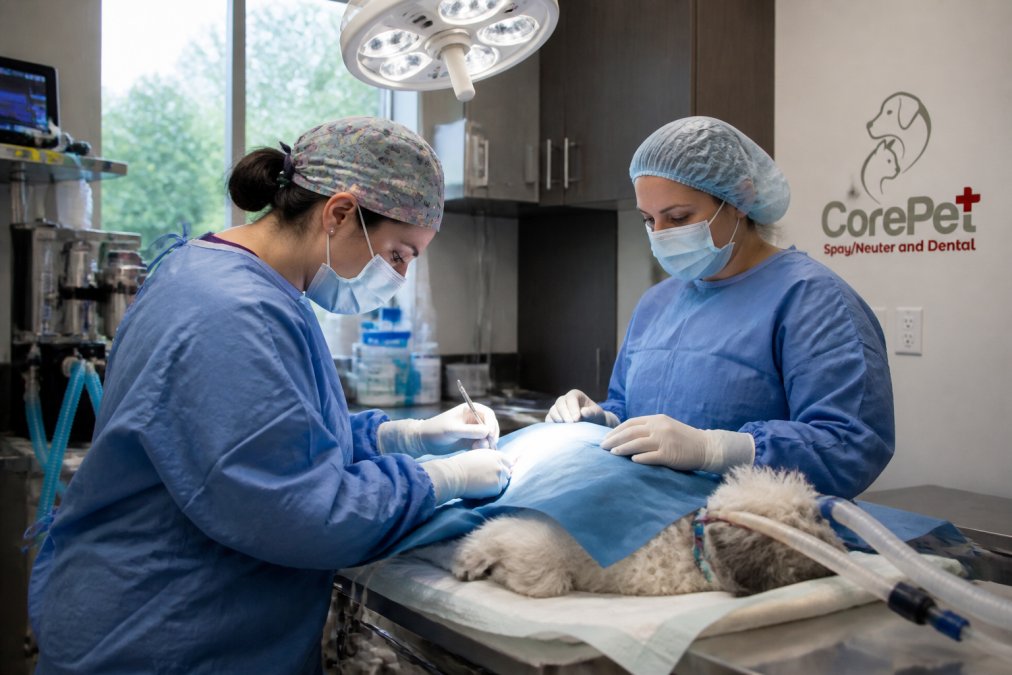
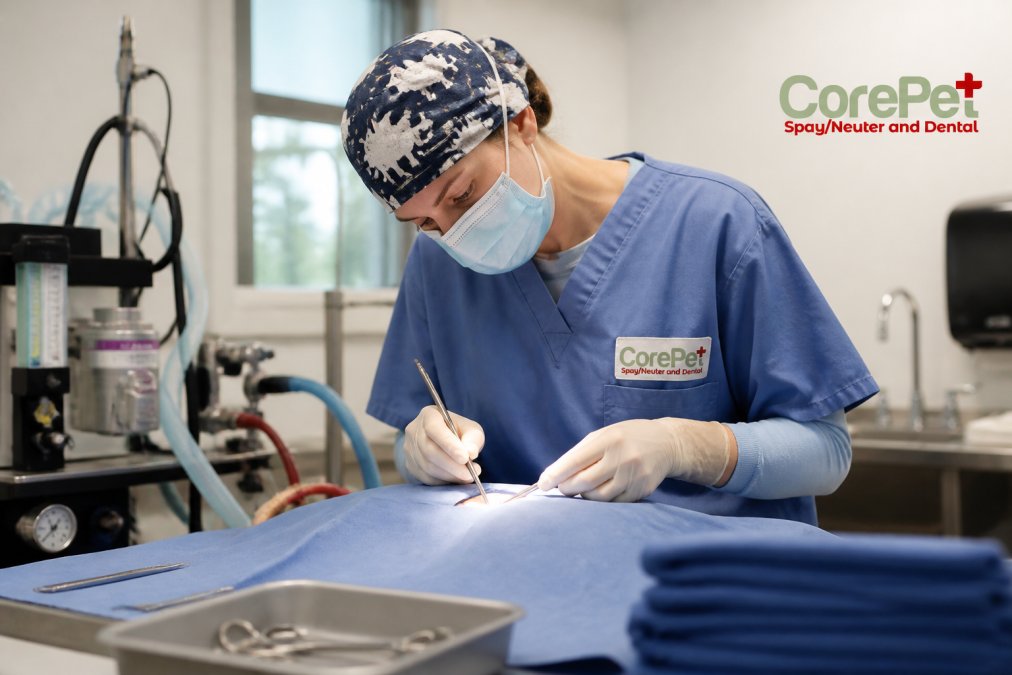
Ovariohysterectomy, complete surgical removal of the uterus and ovaries, is the definitive treatment with near-zero recurrence and survival rates exceeding 95% when performed promptly. Within hours of surgery, the toxin source is eliminated and pets typically show dramatic improvement within 24 to 48 hours post-operatively.

Medical Management and Why Surgery Remains Essential
Prostaglandin injections work only for open pyometra with high recurrence rates, while intravenous fluids and antibiotics stabilize but cannot address the infected uterus itself. The mortality rate for untreated pyometra approaches 100%, making surgery the only reliable cure.
When pyometra strikes, every hour matters. Spay Neuter Dental services in Bedford, New Hampshire provide advanced surgical techniques and modern equipment to ensure the highest standards of care for dogs, cats, and rabbits during reproductive health emergencies.
If you suspect your unspayed pet has pyometra, contact an emergency veterinary clinic immediately. Spaying before the first heat cycle eliminates the risk entirely. For pets already showing signs, prompt surgical treatment offers the best chance at recovery.
This article was written using GrandRanker