Table of Contents
- Understanding Lethargy in Dogs After Neuter Surgery
- Dog Recovery Time After Neuter: What to Expect
- Signs of Infection After Dog Neuter: Red Flags to Monitor
- When to Call Your Vet After Neuter
Last Updated: June 29, 2026
Understanding Lethargy in Dogs After Neuter Surgery
Lethargy after neuter surgery is common and stems from several factors: surgical trauma, anesthesia wearing off gradually, pain management medications, and immune system activity at the surgical site. Most dogs appear drowsy immediately after coming home, which is expected. However, lethargy persisting beyond 48-72 hours or accompanied by other concerning signs requires veterinary evaluation.
Keep a simple recovery log for the first week after surgery. Note your dog’s activity level, appetite, water intake, and any behavioral changes. This documentation helps your veterinarian identify patterns if concerns arise.
Dog Recovery Time After Neuter: What to Expect
Recovery typically follows a predictable timeline. Most dogs show significant improvement within 5-7 days, with complete healing taking 10-14 days.
The first 24 hours involve heavy sedation. Your dog may seem unresponsive and uninterested in food. By day 2, most dogs begin showing interest in food and moving around more. Days 3-5 bring visible improvement, with appetite returning by day 3 and activity increasing gradually. However, resist the urge to resume normal play, excessive activity can cause incision reopening or internal bleeding.
The critical restriction period lasts 10-14 days. Limit your dog to leash walks for bathroom breaks and short indoor play. Avoid jumping, running, and rough play. Keep your dog calm and confined to a small area when unsupervised. By day 10-14, most dogs return to near-normal activity levels, though some lethargy may persist.
| Recovery Phase | Timeline | Expected Activity Level | What to Monitor |
|---|---|---|---|
| Immediate post-op | 0-24 hours | Minimal, heavily sedated | Anesthesia effects, appetite return |
| Early recovery | 2-3 days | Low, increased resting | Pain levels, incision appearance |
| Mid-recovery | 4-7 days | Gradual improvement | Appetite normalization, movement increase |
| Late recovery | 8-14 days | Near-normal but restricted | Energy levels, incision healing |
Signs of Infection After Dog Neuter: Red Flags to Monitor
Distinguishing between normal post-operative lethargy and infection-related lethargy is critical.
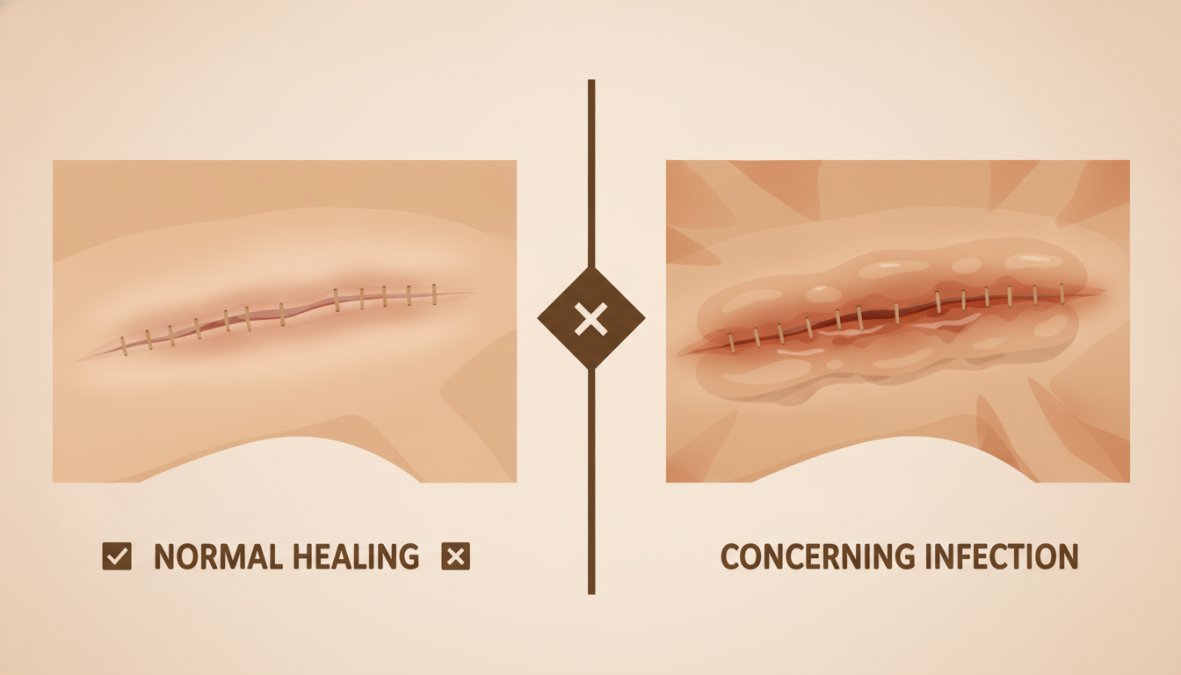
Watch for excessive redness extending beyond a thin line around the incision, swelling that increases over 2-3 days, discharge (clear fluid, pus, or blood), and foul odor from the incision. Behavioral changes include fever (check ears and inner thighs, they should feel warm but not hot), vomiting, diarrhea, and loss of appetite beyond 24 hours.
Monitor vital signs: normal resting respiratory rate is 10-30 breaths per minute; rapid breathing combined with lethargy suggests infection. Persistently elevated heart rate and body temperature above 102.5°F indicate fever. Normal recovery lethargy improves gradually day by day; infection-related lethargy often worsens or plateaus.
If you notice fever, excessive incision redness, discharge, foul odor, vomiting, or persistent loss of appetite, contact your veterinarian immediately. Infections can develop quickly and require prompt antibiotic treatment.
When to Call Your Vet After Neuter
Call immediately if you observe fever, incision discharge or odor, excessive swelling that worsens, vomiting or diarrhea, inability or unwillingness to walk, signs of severe pain, or difficulty urinating or defecating.
Call within 24 hours for moderate lethargy beyond 72 hours post-op without other concerning signs, reduced appetite not improving by day 3, mild incision swelling that isn’t worsening, or excessive panting unexplained by activity or temperature.
Schedule a routine post-operative check-up 7-10 days after surgery to assess healing and remove sutures if necessary. When calling, have specific information ready: describe exactly what you’re observing, note when the behavior started, and mention any medications your dog is taking. If your dog received a Spay Neuter Dental procedure, your veterinarian will have detailed surgical records to reference during your follow-up visit.
Normal post-operative lethargy improves gradually over 5-7 days and doesn’t prevent eating, drinking, or movement (with restrictions). Lethargy accompanied by fever, incision problems, vomiting, or persistent loss of appetite requires immediate veterinary attention.
Recovery from neuter surgery involves expected lethargy that gradually improves over 7-14 days. Lethargy paired with fever, incision problems, or loss of appetite signals complications requiring prompt veterinary care. With proper post-operative care and monitoring, most dogs return to normal activity within two weeks.
Frequently Asked Questions
How long does lethargy last after dog neuter surgery?
Most dogs experience significant lethargy for 24-48 hours following neuter surgery due to residual anesthesia and sedation. Drowsiness typically improves by day 3, though mild fatigue may persist through the first 10 days as the body heals. If your dog remains unusually lethargic beyond 48 hours or shows no improvement by day 3, contact your veterinarian to rule out complications.
Is it normal for a dog to be tired 2 days after neuter?
Yes, it is completely normal for a dog to be tired 2 days after neuter surgery. Post-operative lethargy is expected as the body recovers from anesthesia and the surgical procedure itself. During this recovery time, provide a quiet, comfortable resting area and monitor their vital signs. However, if your dog shows severe lethargy, inability to stand, or other concerning clinical signs beyond typical post-operative drowsiness, contact your veterinarian.
What are the signs of complications after dog neuter surgery?
Warning signs of infection or complications include excessive swelling or redness at the incision site, discharge or bleeding from the surgical area, difficulty breathing or labored breathing, persistent vomiting, refusal to eat for more than 24 hours, fever, or extreme pain. Additionally, watch for signs of lethargy that worsens rather than improves, abdominal distension, or mucous membranes that appear pale or abnormal. Any of these symptoms warrant immediate veterinary intervention.
When should I be worried about my dog after neutering?
Contact your veterinarian immediately if your dog experiences difficulty breathing, excessive bleeding, severe swelling, signs of pain that don't respond to prescribed medication, inability to urinate or defecate for more than 24 hours, or persistent vomiting. Additionally, be concerned if lethargy is accompanied by other clinical signs like fever, pale mucous membranes, or behavioral changes suggesting distress. Trust your instincts, when in doubt, reach out to your emergency vet or surgical center for guidance.
This article was written using GrandRanker