Table of Contents
- Is Safe Anesthesia for Senior Pets Possible?
- Pre-Anesthetic Blood Work for Older Dogs and Cats
- Physiological Changes in Aging Pets and Anesthetic Safety
- Anesthesia for Older Cats with Kidney Disease
Last Updated: July 31, 2026
Safe anesthesia for senior pets requires careful planning, thorough pre-operative assessment, and individualized protocols tailored to each animal’s unique health status. At CorePet in Bedford, New Hampshire, we understand that aging pets face distinct anesthetic challenges that demand focused attention and expertise. This guide covers everything pet owners need to know about keeping older dogs, cats, and rabbits safe during surgical procedures, from pre-anesthetic blood work through post-operative recovery.
Is Safe Anesthesia for Senior Pets Possible?
Yes, safe anesthesia for senior pets is absolutely achievable when veterinarians implement appropriate safety measures and tailor protocols to each individual animal. Age alone is not the primary determinant of anesthetic safety. A 14-year-old dog with normal kidney and liver function may have fewer anesthetic complications than a 7-year-old with undiagnosed cardiac disease. Modern protocols focus on identifying which animals require modified drug selections, adjusted dosing, or enhanced monitoring, allowing necessary procedures, dental cleanings, tumor removals, and spay and neuter surgeries, to proceed safely in older animals.
Pre-Anesthetic Blood Work for Older Dogs and Cats
Pre-anesthetic blood work reveals subclinical organ dysfunction that physical examination alone cannot detect. Standard panels should include a complete blood count (CBC) and comprehensive metabolic panel (CMP). The CBC identifies anemia, infection, or clotting abnormalities. The CMP assesses kidney function (creatinine, blood urea nitrogen), liver function (alkaline phosphatase, alanine aminotransferase), blood glucose, and electrolyte balance. Many veterinarians recommend pre-anesthetic testing for any pet over age 7. Abnormal results don’t automatically prevent anesthesia; instead, they guide decision-making. Mild kidney disease might warrant reduced dosing and careful fluid management, while anemia might prompt a blood transfusion before elective surgery.
| Test | What It Measures | Why It Matters for Senior Pets |
|---|---|---|
| Creatinine & BUN | Kidney function | High levels indicate renal insufficiency; affects drug metabolism |
| ALT & ALP | Liver function | Elevated values suggest hepatic dysfunction; alters anesthetic drug clearance |
| Blood Glucose | Metabolic health | Diabetes or hypoglycemia complications during anesthesia |
| Albumin | Protein status | Low levels indicate poor nutritional status; affects drug binding |
| Electrolytes | Sodium, potassium, chloride | Imbalances increase cardiac arrhythmia risk under anesthesia |
Physiological Changes in Aging Pets and Anesthetic Safety
Organ function declines with age. Kidney function diminishes, reducing the body’s ability to eliminate drugs. Liver function decreases, slowing drug metabolism and extending anesthetic effects. Standard dosing appropriate for a 3-year-old dog may be excessive for a 14-year-old. Cardiovascular changes are particularly relevant: the heart muscle becomes stiffer, reducing its ability to respond to stress, and many senior pets develop subclinical cardiac disease. Body composition shifts with age, altering drug distribution and elimination. Senior pets are more prone to hypothermia during anesthesia, which slows drug metabolism further and delays recovery.
Anesthesia for Older Cats with Kidney Disease
Cats with chronic kidney disease (CKD) present unique anesthetic challenges because kidney disease is extraordinarily common in senior felines. Many cats develop CKD by age 10. Safe anesthesia requires careful drug selection and meticulous fluid management. Cats with CKD cannot concentrate urine effectively and lose fluid continuously, entering anesthesia in a state of chronic dehydration. Intravenous fluid support becomes essential.
Drug selection matters enormously. Alfaxalone may be preferred over propofol because it has a shorter duration and less impact on blood pressure. Opioids like buprenorphine provide analgesia without relying on renal elimination. Inhalant anesthetics like isoflurane and sevoflurane are metabolized minimally by the kidneys. Pre-operative fluid therapy, starting hours before anesthesia, helps restore intravascular volume and improve renal perfusion. Many veterinarians recommend continuing fluids for 24-48 hours post-operatively to support renal function during recovery.
Cats with kidney disease dehydrate quickly and cannot tolerate prolonged anesthesia well. Elective procedures should be scheduled early in the day to minimize anesthesia time, and pre-operative bloodwork should be current (within 1-2 weeks).
Anesthetic Drug Selection and Dosing for Senior Pets
The principle underlying anesthetic drug selection for senior pets is simple: choose agents with minimal impact on organ systems already compromised by age, and reduce doses appropriately. Standard dosing calculated by body weight alone is often excessive for geriatric patients. Premedication allows reduction of induction agent doses by 30-50%. Common premedication choices include opioids (buprenorphine, hydromorphone) for analgesia and sedation, and alpha-2 agonists (dexmedetomidine) for additional sedation.
Induction agents differ in cardiovascular effects. Propofol causes dose-dependent cardiovascular depression and should be given slowly in reduced doses. Alfaxalone causes less cardiovascular depression and may be preferable in geriatric patients. Ketamine, often combined with benzodiazepines like midazolam, provides dissociative anesthesia with better blood pressure maintenance. Sevoflurane may be slightly safer than isoflurane in very senior patients because it is metabolized less extensively by the liver. Local and regional anesthesia techniques reduce the total amount of systemic anesthetic required.
Monitoring During Anesthesia
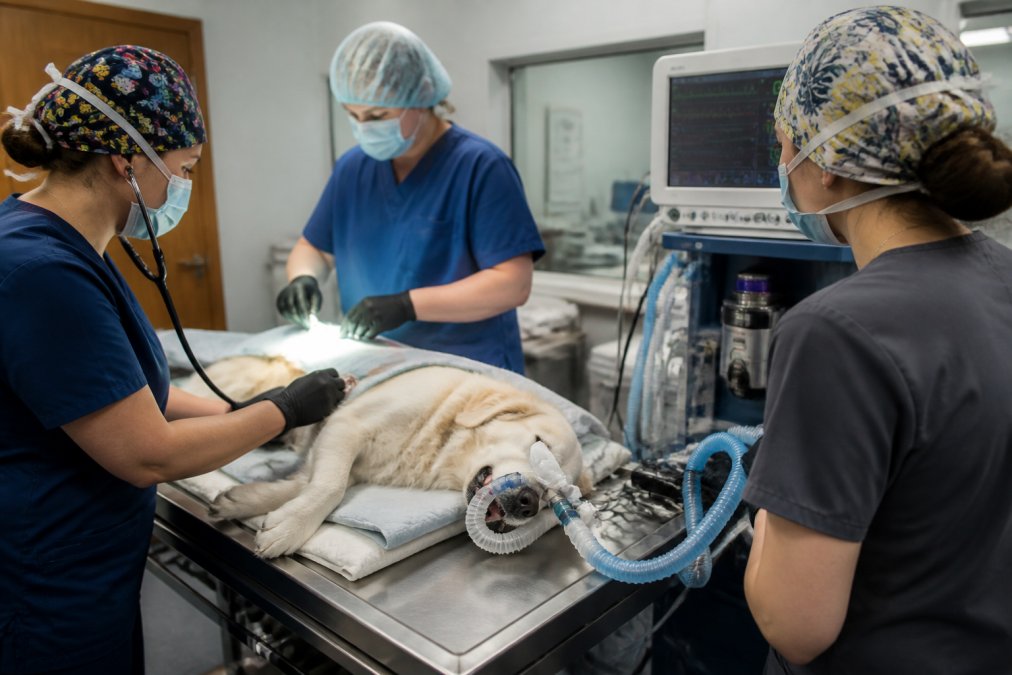
Vigilant monitoring transforms anesthesia into a manageable medical intervention. For senior pets, monitoring should exceed what is standard for younger animals. Modern anesthetic monitoring includes continuous assessment of heart rate, blood pressure, respiratory rate, oxygen saturation, end-tidal carbon dioxide, and body temperature. Blood pressure monitoring is arguably the most important parameter in geriatric anesthesia. Hypotension during anesthesia reduces perfusion to vital organs, increasing the risk of acute kidney injury, myocardial infarction, and stroke. Systolic blood pressure should ideally remain above 90 mmHg; mean arterial pressure above 60 mmHg. Oxygen saturation should exceed 95%. Active warming measures, heated water blankets, forced-air warmers, and warm intravenous fluids, help maintain normothermia and support faster recovery.
Request a detailed anesthesia record from your veterinarian after your senior pet’s procedure. This document shows heart rate, blood pressure, oxygen saturation, and other vital signs throughout anesthesia.
Recovery from Anesthesia in Senior Pets
Recovery from anesthesia typically takes longer in senior pets than in younger animals, simply reflecting slower metabolism of anesthetic drugs. The recovery period requires careful monitoring and support. During early recovery, senior pets are more prone to rough recoveries characterized by excessive vocalization or confusion. Quiet, dimly lit recovery environments with minimal stimulation help reduce stress. Pain management becomes critical immediately after anesthesia. Pre-emptive analgesia prevents pain from complicating recovery. Hypothermia often persists into early recovery; continued warming support accelerates metabolic recovery. Senior pets may appear drowsy for 12-24 hours post-anesthesia, which is normal. Watch for excessive vomiting, refusal to eat, difficulty urinating or defecating, labored breathing, or behavioral changes, which warrant prompt veterinary attention.
Home Care and Post-Anesthesia Support for Senior Pets
Post-operative care at home sets the stage for smooth recovery. Nutrition plays an important role; senior pets may have reduced appetite post-anesthesia, so offer small amounts of highly palatable, easily digestible food. Hydration support maintains kidney function and aids drug elimination. Activity restriction prevents complications, confine your senior pet to a quiet area, use baby gates to prevent stair climbing, and leash-walk only for bathroom breaks. Medication administration according to post-operative instructions is essential. Monitor the surgical site daily for excessive swelling, discharge, or opening. Check appetite, water intake, urination, and defecation, reporting concerns to your veterinarian promptly.
Long-Term Effects of Anesthesia on Cognitive Function in Senior Pets
Emerging research has raised questions about post-operative cognitive dysfunction (POCD), cognitive changes that can persist after anesthesia and surgery. While brief cognitive changes immediately after anesthesia are common, persistent cognitive dysfunction attributable to anesthesia alone is uncommon in pets. Older pets with pre-existing cognitive dysfunction may experience temporary worsening after anesthesia, which typically resolves within days to weeks. To support cognitive function during recovery, maintain familiar routines, provide appropriate mental stimulation, ensure adequate sleep, and manage pain effectively.
Addressing Pet Owner Concerns and Anxiety
Many pet owners of senior animals harbor significant anxiety about anesthesia, sometimes leading them to delay necessary care. The reality is that the risks of anesthesia in healthy senior pets are substantially lower than the risks of delaying necessary treatment. Open communication with your veterinarian about your concerns is essential. Ask about specific risks and benefits for your pet’s situation. Seeking a second opinion is always reasonable, particularly for elective procedures. A board-certified veterinary anesthesiologist can review your pet’s case and provide focused insight into anesthetic risks and optimization strategies.
Importance of Overall Health vs. Chronological Age
Chronological age is far less important than physiological health status. A 15-year-old dog with normal organ function and no cardiac disease may tolerate anesthesia better than a 7-year-old with uncontrolled diabetes and kidney dysfunction. This principle shifts how we approach anesthesia in senior pets. Rather than using age as a barrier to necessary care, we assess the individual pet’s health status. Pre-operative bloodwork, imaging, and physical examination reveal the actual physiological age of the patient. Necessary procedures should not be automatically denied based on age alone.
Safe anesthesia for senior pets in Bedford, New Hampshire is achievable through thorough pre-operative assessment, individualized anesthetic protocols, vigilant monitoring, and appropriate post-operative care. At CorePet, our focus on advanced surgical techniques, modern monitoring equipment, and experienced handling of geriatric patients ensures that your older dog, cat, or rabbit receives the safest possible anesthetic experience. From pre-anesthetic blood work through recovery support, we tailor every aspect of care to your senior pet’s unique needs. Our Spay Neuter Dental services are performed with the same meticulous attention to safety and comfort, even for senior patients requiring these procedures. Schedule a consultation to discuss your pet’s anesthetic safety and learn how our team can help.
Frequently Asked Questions
Is anesthesia safe for senior pets?
Safe anesthesia for senior pets is achievable with proper pre-operative assessment and individualized anesthetic protocols. Chronological age alone does not determine safety, overall health status, organ function, and comorbidities matter more. Pre-anesthetic blood work, cardiac evaluation, and careful drug selection significantly reduce anesthetic risk in older animals. Most senior pets tolerate anesthesia well when managed by experienced surgical teams using modern monitoring techniques.
What pre-anesthetic blood work should my older dog have before surgery?
Pre-anesthetic blood work for older dogs typically includes a complete blood count (CBC) and comprehensive metabolic panel to assess kidney function, liver function, and electrolyte balance. These tests reveal subclinical disease that may affect drug metabolism and recovery. Additional testing may include coagulation profiles or cardiac screening depending on the pet's health history. Your veterinary team will recommend specific tests based on your dog's age, breed, and existing health conditions.
Can a senior cat with kidney disease safely undergo anesthesia?
Anesthesia for older cats with kidney disease requires careful planning but is often necessary for dental work and other procedures. Renal insufficiency affects how anesthetic drugs are metabolized, so your veterinary team will select agents that minimize kidney stress and adjust dosing accordingly. Intravenous fluid support during anesthesia helps maintain blood pressure and renal perfusion. Pre-operative bloodwork is essential to establish baseline kidney function and guide anesthetic drug selection.
What happens during veterinary anesthesia monitoring for senior pets?
Veterinary anesthesia monitoring guidelines for senior pets include continuous measurement of heart rate, blood pressure, respiratory rate, oxygen saturation, and body temperature. Modern surgical facilities use pulse oximetry, capnography, and electrocardiography to track vital signs throughout the procedure. Monitoring helps detect complications early and allows the surgical team to adjust anesthesia depth and support as needed. This level of oversight significantly improves safety outcomes for aging animals.
How long does post-anesthesia care for senior pets take at home?
Post-anesthesia care for senior pets typically spans 7-14 days, depending on the procedure. Most pets regain normal alertness within 24 hours, but full recovery takes longer. During this time, restrict activity, monitor for pain or complications, and administer prescribed medications as directed. Older pets may experience temporary confusion or stiffness, this is normal. Your surgical team will provide specific recovery instructions, including when to resume normal feeding and activity levels.
What are the biggest risks of anesthesia for senior pets?
Common anesthetic risks in senior pets include prolonged recovery due to slower drug metabolism, hypothermia during anesthesia, and complications related to underlying cardiac or renal disease. Older animals may experience post-operative confusion or temporary cognitive changes. However, these risks are significantly reduced with pre-operative assessment, appropriate drug selection, careful monitoring, and proper recovery support. Discussing specific risk factors with your veterinary team helps you make informed decisions.
How can I prepare my senior pet for anesthesia?
Preparation for safe anesthesia for senior pets begins with pre-operative bloodwork and any recommended diagnostic imaging. Follow pre-anesthesia fasting instructions (typically 6-8 hours before surgery) to reduce aspiration risk. Discuss your pet's current medications, allergies, and health conditions with your surgical team. Ensure your pet is calm and well-rested before the procedure. Ask your veterinary team about pain management and post-operative care protocols to support a smooth recovery.
This article was written using GrandRanker