Table of Contents
-
Why Does Pet Dental Cost So Much? The Real Reasons Behind the Price Tag
-
Is Anesthesia-Free Dental Cleaning Safe for Dogs? What Pet Owners Need to Know
-
How to Prevent Dental Disease in Pets and Why It Costs Far Less Than Treatment
-
Conclusion: Affordable Pet Dental Care in Manchester, New Hampshire
Last Updated: June 1, 2026
Why Does Pet Dental Cost So Much? The Real Reasons Behind the Price Tag
If you’ve ever asked why does pet dental cost so much after opening a veterinary estimate, you’re not alone. The price surprises most pet owners the first time they see it. At CorePet, we hear this question constantly, and the honest answer is that professional dental care for pets involves far more than a simple teeth cleaning. Below, we’ll break down exactly where your money goes, what happens when dental disease goes untreated, and how you can dramatically reduce costs through prevention.
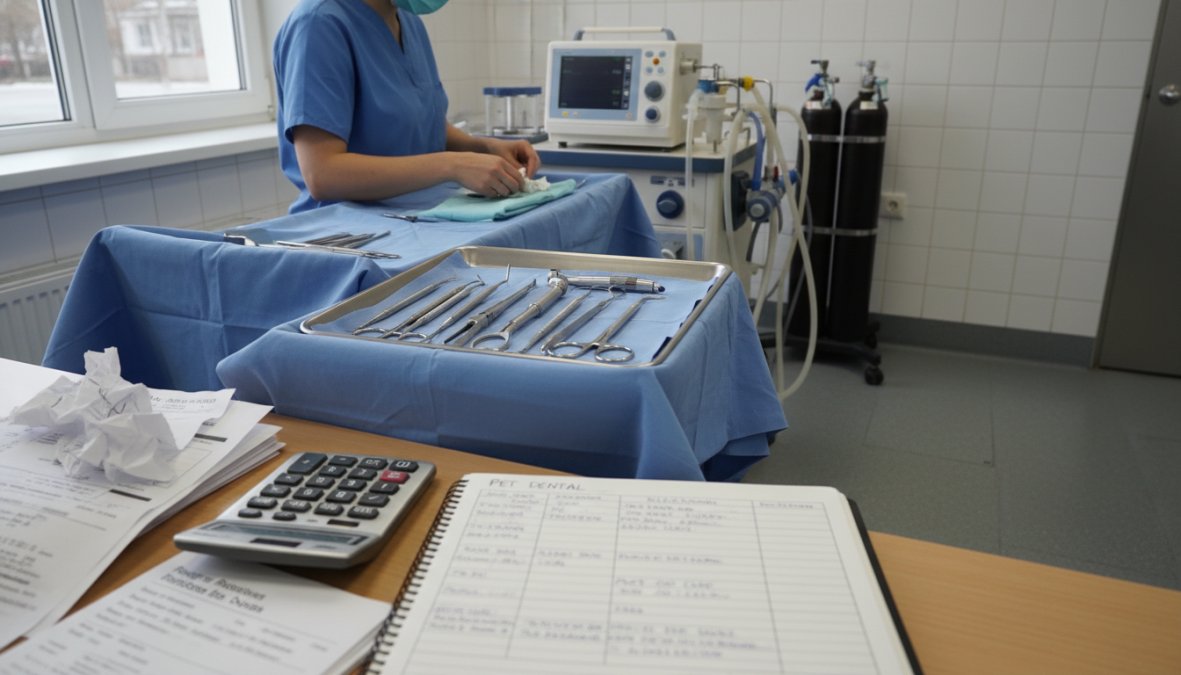
Dental prophylaxis is the complete professional cleaning process that removes plaque and tartar from above and below the gumline, polishes tooth surfaces, and includes a full oral examination. It is not the same as a cosmetic cleaning. It is a medical procedure.
Anesthesia, Equipment, and the Full Dental Prophylaxis Process
The single biggest driver of pet dental costs is general anesthesia. Unlike human patients who can sit still and follow instructions, dogs and cats cannot. Safe, effective dental work requires the animal to be completely unconscious. That means pre-anesthetic bloodwork, IV catheter placement, intubation, continuous monitoring of oxygen saturation and heart rate, a trained veterinary technician dedicated solely to anesthesia monitoring, and a recovery period. Every one of those steps adds time, labor, and equipment costs.
The equipment itself is a significant investment. Professional veterinary dental suites include ultrasonic scalers, high-speed dental drills, digital dental radiography, and suction systems. Dental radiography, in particular, is non-negotiable for quality care. According to the American Veterinary Dental College’s guidelines on veterinary dentistry, dental radiographs reveal pathology below the gumline that is completely invisible to the naked eye. Many tooth problems, including root abscesses and bone loss, show no visible surface signs at all.
Add to that the cost of trained personnel. A veterinary dentist or experienced veterinary surgeon performs the procedure while a separate technician monitors anesthesia. This is not a one-person job.
How Periodontal Disease Severity Drives Up Treatment Costs
The baseline prophylaxis cost assumes relatively healthy teeth. Periodontal disease changes that equation entirely.
Periodontal disease is a progressive bacterial infection of the structures supporting the teeth, including the gums, periodontal ligament, and jawbone. It advances through four stages, and each stage requires more aggressive treatment.
-
Stage 1 (gingivitis): Reversible with professional cleaning and home care
-
Stage 2: Early bone loss, requires scaling below the gumline
-
Stage 3: Moderate bone loss, may require tooth extraction or surgical intervention
-
Stage 4: Severe bone loss, tooth mobility, potential broken jaw risk, extensive extraction or oral surgery
By the time a pet reaches Stage 3 or 4, the procedure time doubles or triples. Extractions require surgical technique, suturing, and post-operative pain management. Severe cases can involve oral surgery that rivals the complexity of a human dental procedure. That is why a pet dental cleaning cost breakdown from a Stage 4 case looks so different from a routine prophylaxis.
Signs of Dental Disease in Pets You Should Never Ignore
Most pet owners don’t realize how advanced their pet’s dental disease is until a veterinarian examines the mouth under anesthesia. The signs of dental disease in pets are easy to miss, and that’s the problem.
Behavioral Signs of Dental Pain and Why Dogs Hide Discomfort
Dogs and cats are instinctively wired to hide pain. This is an evolutionary survival behavior: showing vulnerability in the wild is dangerous. The result is that pets with significant oral pain often continue eating, playing, and behaving relatively normally until the disease is severe.
Watch for these behavioral signals:
-
Dropping food while eating or preferring soft food over kibble
-
Pawing at the mouth or rubbing the face on furniture
-
Excessive drooling or drooling with blood
-
Reluctance to chew toys they previously enjoyed
-
Bad breath (halitosis) that is noticeably worse than usual
-
Facial swelling, particularly below one eye (often indicates a tooth root abscess)
-
Changes in chewing habits, favoring one side of the mouth
Halitosis is one of the most consistent early signs. The odor comes from bacterial activity at the gumline and below. If your pet’s breath has shifted from merely “dog breath” to genuinely foul, that is a clinical signal worth acting on, not something to dismiss.
Systemic Health Risks: How Oral Bacteria Reaches the Heart, Liver, and Kidneys
Here’s the part that most pet owners don’t know: dental disease is not just a mouth problem. The bacteria responsible for periodontal disease enter the bloodstream through inflamed gum tissue. Once circulating, they trigger a systemic inflammatory response that places direct stress on the heart, liver, and kidneys.
According to Cornell University College of Veterinary Medicine’s overview of periodontal disease, the connection between oral bacteria in the bloodstream and organ damage is well-documented in veterinary medicine. The heart valves, kidney tubules, and liver cells are all vulnerable to chronic bacterial exposure.
The practical implication is serious. A pet with untreated Stage 3 or 4 periodontal disease is not just at risk of tooth loss. That pet is running a low-grade systemic infection that stresses the immune system and accelerates organ aging. Heart disease, kidney failure, and compromised liver function in older pets are frequently linked to years of untreated dental disease. Treating the mouth is, in many cases, treating the whole animal.
Is Anesthesia-Free Dental Cleaning Safe for Dogs? What Pet Owners Need to Know
Anesthesia-free dental cleaning is not a safe or effective alternative to professional dental prophylaxis for dogs and cats. That is the clearest answer possible, and it matters because anesthesia-free cleaning is widely marketed as a lower-cost option. But understanding why it fails, mechanically, not just as a policy position, helps you evaluate any dental provider you consider.
Why Subgingival Scaling Physically Requires Anesthesia
The disease-causing bacteria in periodontal disease do not live on the visible crown of the tooth. They colonize the sulcus, the narrow space between the tooth and the gum, and the subgingival pocket that forms as the gum detaches from the tooth root during disease progression. Removing that bacterial deposit requires an ultrasonic scaler tip or hand curette to be inserted 1-6 millimeters below the gumline, against the root surface, with controlled lateral pressure.
In an awake animal, this is not possible safely for three reasons:
-
Movement risk. A sudden head turn or jaw snap during subgingival instrumentation can lacerate gum tissue, damage the root surface, or injure the operator. Even a calm, cooperative dog cannot hold the precise stillness required for 30-60 minutes of scaling.
-
Pain response. Subgingival scaling on inflamed tissue is uncomfortable even in human patients under local anesthesia. In an awake pet with no analgesia, it causes active pain, which creates a welfare problem and makes thorough cleaning impossible.
-
Airway protection. During professional cleaning, water irrigation and bacterial debris are generated continuously. An intubated, anesthetized patient has an inflated cuff protecting the airway from aspiration. An awake patient does not.
Anesthesia-free procedures clean visible tooth surfaces only. They improve the cosmetic appearance of teeth while leaving the disease-causing bacterial deposits completely untouched, and in some cases, the scraping involved micro-abrades tooth enamel, creating rougher surfaces that accumulate plaque faster than before the procedure.
As documented in the American Animal Hospital Association’s dental care guidelines, both the AAHA and the American Veterinary Dental College explicitly oppose anesthesia-free dental scaling as ineffective and potentially harmful.
What a Proper Anesthesia Protocol Actually Looks Like
One reason anesthesia-free cleaning gains traction is that pet owners are understandably anxious about anesthesia risk. That concern is legitimate and worth addressing directly. Modern veterinary anesthesia for healthy adult pets carries a very low complication rate, and the protocol itself is what manages that risk.
A complete, safe dental anesthesia protocol includes:
-
Pre-anesthetic bloodwork, evaluates kidney and liver function, which process anesthetic drugs, and flags any hidden organ compromise before induction
-
IV catheter placement, allows immediate drug delivery if a complication occurs and supports fluid administration to maintain blood pressure
-
Intubation with a cuffed endotracheal tube, protects the airway from water, debris, and bacteria generated during cleaning
-
Continuous monitoring, pulse oximetry (oxygen saturation), capnography (CO₂ levels confirming ventilation), blood pressure, heart rate, and body temperature throughout the procedure
-
A dedicated anesthesia monitor, a veterinary technician whose sole responsibility during the procedure is the anesthetized patient, not assisting with the dental work
-
Thermal support, anesthetized patients lose body heat; active warming prevents hypothermia during recovery
When evaluating a dental provider, asking specifically about these components is reasonable and appropriate. A provider who cannot describe their monitoring protocol in detail is a provider worth questioning.
The Real Comparison: Complete Treatment vs. Cosmetic Postponement
The framing of “anesthesia cleaning vs. anesthesia-free cleaning” is the wrong comparison. The real comparison is between complete treatment that addresses subgingival disease and a cosmetic-only procedure that delays diagnosis while the disease continues to progress.
A pet that receives anesthesia-free cleaning annually may look like it is receiving dental care. But without dental radiographs, which require anesthesia to obtain safely, root abscesses, bone loss, and tooth resorption go undetected. Without subgingival scaling, the bacterial load driving periodontal disease is untouched. The owner spends money, the pet’s teeth look cleaner, and the disease advances silently.
By the time that pet presents for a proper anesthetized examination, the disease is typically more advanced than it would have been with earlier intervention. The anesthesia-free cleaning did not save money. It deferred a smaller bill and replaced it with a larger one.
How to Prevent Dental Disease in Pets and Why It Costs Far Less Than Treatment
Prevention is where the real financial argument lives. Most articles mention that dental disease is costly to treat, but very few actually show the math. Understanding the cost trajectory of dental disease, from healthy mouth to Stage 4, is the clearest argument for early intervention that exists.
The Cost-Benefit Breakdown: Prevention vs. Treatment
Veterinary dental costs vary by region, practice type, and patient size, so specific dollar figures will differ. But the structure of the cost comparison is consistent across the country, and that structure is what matters.
Think of pet dental care in three tiers:
Tier 1, Routine prophylaxis on a healthy or Stage 1 mouth. This is the baseline cleaning: anesthesia, scaling, polishing, oral exam, and dental radiographs on a pet with minimal disease. Procedure time is typically 45-90 minutes. This is the least expensive dental procedure a pet will ever need, and it is the only tier where the pet leaves with a genuinely clean, healthy mouth.
Tier 2, Prophylaxis with extractions on a Stage 2-3 mouth. Once bone loss has begun, the procedure expands. Subgingival scaling takes longer. One or more teeth may require surgical extraction, a process that involves sectioning multi-rooted teeth, elevating the root, and suturing the extraction site. Each surgical extraction adds meaningful time and cost to the base procedure. A mouth requiring four to six extractions can double or triple the Tier 1 cost.
Tier 3, Advanced oral surgery on a Stage 3-4 mouth. Severe periodontal disease, jaw bone involvement, tooth root abscesses, or oral masses require procedures that rival the complexity of human oral surgery. Procedure times can extend to three or four hours. Post-operative pain management, antibiotics, and follow-up radiographs add to the total. In extreme cases, jaw fracture repair or tumor removal is required. This tier can cost many multiples of a routine prophylaxis.
The financial logic is straightforward: a pet that receives Tier 1 care consistently stays in Tier 1. A pet that skips preventive care progresses to Tier 2 and eventually Tier 3. The owner who avoids the routine prophylaxis cost does not avoid dental costs, they defer them and pay a compounding premium when the disease has advanced.
Beyond the direct dental costs, there is a second financial layer that is rarely discussed: the systemic health costs of untreated dental disease. Chronic oral bacteria entering the bloodstream over years contributes to kidney disease, cardiac changes, and liver stress. Managing those conditions in a senior pet, with prescription diets, medications, and specialist visits, adds costs that dwarf any savings from skipped dental cleanings.
At-Home Dental Care Routine: A Step-by-Step Guide for Dog and Cat Owners
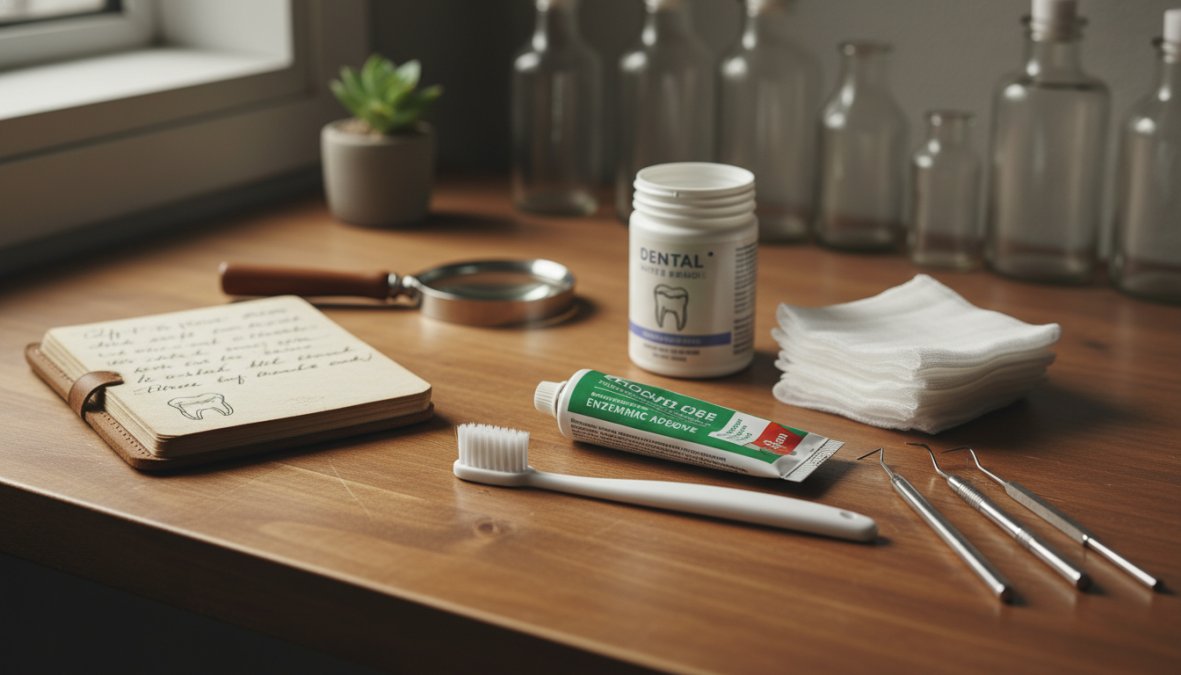
Daily tooth brushing is the gold standard for preventing plaque and tartar accumulation. Most pets can be trained to accept it within a few weeks using gradual desensitization. The goal is not perfection, partial brushing is still meaningfully better than no brushing.
Week 1, Introduction without the brush: Let your pet lick enzymatic pet toothpaste off your fingertip once daily. Do not attempt to open the mouth or touch the teeth yet. The goal is associating the taste and the interaction with something positive. Enzymatic toothpastes are specifically formulated to break down plaque chemically even with incomplete mechanical contact, which makes them more effective than non-enzymatic alternatives.
Week 2, Finger contact on the teeth: Wrap a small piece of gauze around your finger or use a finger brush. With your pet relaxed, gently rub the outer surfaces of the upper back teeth, the carnassial teeth (large upper premolars) and molars, for 10-15 seconds per side. These surfaces accumulate tartar fastest and are the highest-priority targets. Reward immediately after.
Week 3, Introducing the toothbrush: Switch to a soft-bristled pet toothbrush or a child’s soft toothbrush. Apply a small amount of enzymatic toothpaste. Brush the outer surfaces of the upper teeth in small circular motions, 30 seconds per side. The inner surfaces (tongue side) are less critical because the tongue provides some mechanical cleaning there naturally.
Week 4 and ongoing, Full routine: Aim for 60 seconds total, covering upper and lower outer surfaces. Daily brushing is the goal; three to four times per week provides meaningful benefit if daily is not achievable. Consistency over months matters more than perfection on any single day.
At-Home Dental Care Checklist:
-
Use enzymatic pet toothpaste, never human toothpaste, which contains xylitol (toxic to dogs) or fluoride at concentrations unsafe for pets who swallow the paste
-
Use a pet toothbrush, finger brush, or soft child’s toothbrush, never a hard-bristled brush, which can damage enamel
-
Focus on the outer surfaces of the upper back teeth first, this is where tartar accumulates fastest
-
Supplement with dental chews carrying the Veterinary Oral Health Council (VOHC) seal, the VOHC seal means the product has been independently tested and shown to reduce plaque or tartar
-
Avoid hard chews (real bones, antlers, hard nylon chews) that can fracture teeth, the “thumbnail test” is a useful guide: if you press your thumbnail into the chew and it does not indent, it is too hard
-
Schedule professional cleanings based on your veterinarian’s recommendation, typically every 1-3 years for low-risk pets and annually for high-risk breeds
Breed-Specific Predispositions: Which Pets Are at Higher Risk
Not all pets face equal dental risk. Breed anatomy plays a significant role in how quickly periodontal disease develops, and knowing your pet’s risk level helps you calibrate how aggressively to pursue preventive care.
Brachycephalic breeds (flat-faced dogs and cats) carry the highest risk. Bulldogs, Pugs, French Bulldogs, Shih Tzus, Boston Terriers, Persian cats, and similar breeds have the same number of teeth as longer-muzzled animals, compressed into a significantly shorter jaw. The result is severe crowding, tooth rotation, and abnormal contact between teeth. Crowded teeth trap plaque and tartar at an accelerated rate, create pockets where bacteria accumulate without any possibility of effective home cleaning, and are nearly impossible to scale thoroughly without extended procedure time. For brachycephalic breeds, annual professional cleanings and daily brushing are not excessive, they are the minimum appropriate standard of care.
Small and toy breeds (Chihuahuas, Yorkshire Terriers, Miniature Schnauzers, Maltese, Dachshunds, Pomeranians) show disproportionately high rates of periodontal disease for two compounding reasons. First, their smaller jaws create crowding similar to brachycephalic breeds. Second, small breed dogs are frequently fed softer diets and given fewer chewing opportunities, which reduces the mechanical plaque removal that chewing provides. A Chihuahua or Yorkie that reaches middle age without regular dental care is very likely to have significant periodontal disease, often more advanced than a large breed dog of the same age.
Cats as a group are chronically underdiagnosed for dental disease. Feline tooth resorption, a painful condition where the tooth structure breaks down from within, often starting at the gumline, affects a substantial proportion of adult cats and is frequently invisible without dental radiography. Cats are also more stoic than dogs in masking oral pain, which means disease is often not identified until a veterinarian examines the mouth under anesthesia.
Large and giant breeds are not immune. Greyhounds, in particular, are known to have unusually thin enamel and high rates of periodontal disease relative to their size. Working and sporting breeds that chew hard objects are at elevated risk for slab fractures of the carnassial teeth, a painful injury that typically requires extraction or root canal therapy.
According to the Merck Veterinary Manual’s section on periodontal disease in small animals, periodontal disease is the most common clinical condition in adult dogs and cats. If your pet falls into a high-risk category, the preventive investment is not optional care, it is the most cost-effective decision you can make for their long-term health and your long-term budget.
Frequently Asked Questions
What is included in a professional pet dental cleaning?
A professional pet dental cleaning, also called dental prophylaxis, typically includes a full oral exam, digital dental X-rays, scaling to remove plaque and tartar above and below the gumline, polishing, and assessment for tooth mobility, abscesses, or bone loss. Because pets cannot stay still during this process, general anesthesia is required to ensure a thorough and safe cleaning. The cost reflects all of these components together, not just the cleaning itself.
Why does my dog need anesthesia for a dental cleaning?
Anesthesia allows the veterinary team to safely clean below the gumline where periodontal disease begins, take accurate dental X-rays, and address painful issues like abscesses or broken teeth without causing your pet distress. Anesthesia-free dental cleaning only removes visible surface tartar and cannot address the root causes of dental disease. It may appear less expensive upfront, but it often misses the most serious problems, potentially leading to costlier treatment later.
What happens if I skip my pet's dental cleaning?
Skipping professional cleanings allows plaque to harden into tartar, which triggers gingivitis and progresses into periodontal disease. Over time, bacteria enter the bloodstream and can cause an inflammatory response that damages the heart, liver, and kidneys. Pets may also experience tooth loss, broken jaw from bone loss, and significant pain they hide instinctively. What starts as a routine cleaning can become a costly surgical procedure if left untreated for too long.
Are there low-cost pet dental cleaning options in Manchester, NH?
Yes. CorePet in Manchester, New Hampshire offers dental procedures and professional cleanings at reasonable, transparent costs. Because CorePet focuses only on dental and spay/neuter surgeries, overhead is lower and care is highly efficient. Pricing is available directly on the CorePet website. .
How often do pets need professional dental cleanings?
Most dogs and cats benefit from a professional dental cleaning once a year, though some breeds with crowded teeth or genetic predispositions to periodontal disease may need cleanings every six months. At-home oral hygiene habits like daily brushing can extend the time between professional cleanings. Your veterinarian or veterinary dentist can assess your pet's gumline, plaque buildup, and tooth mobility to recommend the right schedule for their specific needs.
This article was written using GrandRanker