Table of Contents
- Why Pet Dental Health Matters for Longevity: The Systemic Connection
- Stages of Periodontal Disease in Pets: From Plaque to Tooth Loss
- Signs of Dental Disease in Dogs and Cats You Should Never Ignore
- How to Brush Pet Teeth: A Step-by-Step Desensitization Guide
Last Updated: June 14, 2026
Understanding why pet dental health matters for longevity is something far too many pet owners discover too late. At CorePet, we see the pattern consistently: mild gum inflammation becomes a systemic problem that shortens lives. This guide breaks down the science, the warning signs, and the practical steps you can take today.
Here is what most guides get wrong: they treat dental disease as a cosmetic issue. Bad breath is unpleasant, but the real danger is invisible, happening in the bloodstream long before a tooth falls out.
Why Pet Dental Health Matters for Longevity: The Systemic Connection
Periodontal disease is a bacterial infection of the structures surrounding the teeth, and left untreated, it doesn’t stay in the mouth. Oral bacteria enter the bloodstream through inflamed gum tissue and travel to the heart, liver, and kidneys, causing lasting damage. This is the core reason why pet dental health matters for longevity: the mouth is a direct gateway to your pet’s entire body.
According to the American Veterinary Dental College’s guidance on periodontal disease, periodontal disease is the most common clinical condition in adult dogs and cats, with most pets over age three showing some degree of it. Oral bacteria have been found in the heart valves of dogs with endocarditis, and kidney and liver damage have similarly been linked to chronic oral bacterial load.
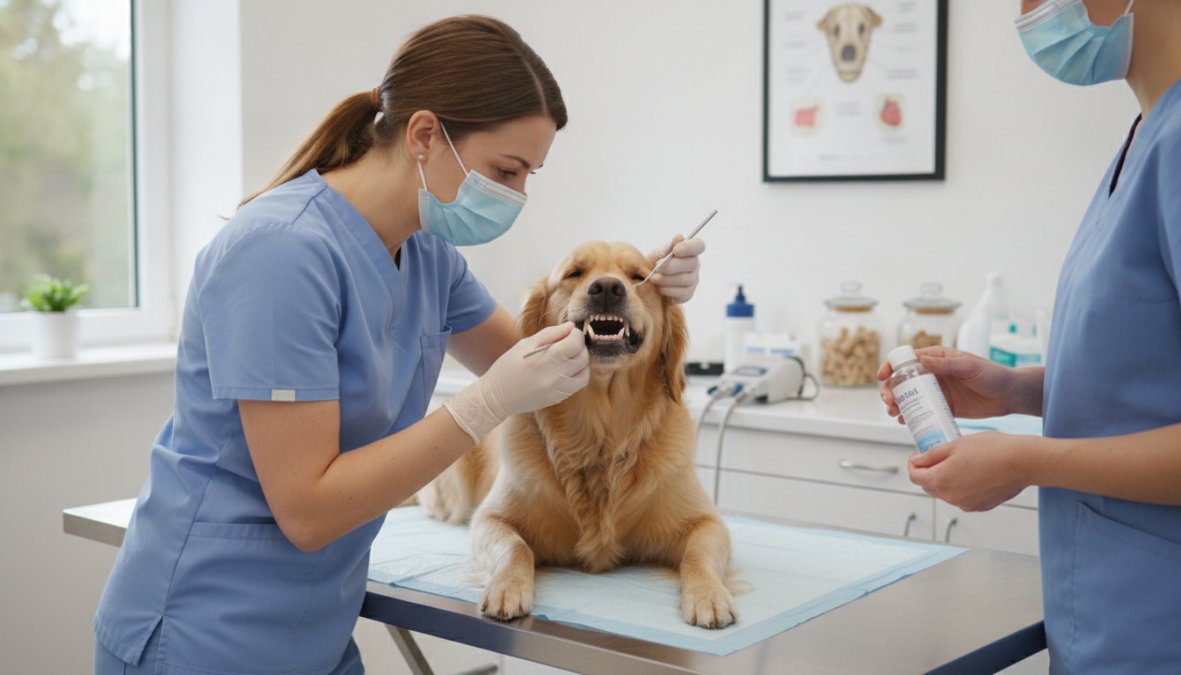
Dental disease is not a standalone problem. Untreated gingivitis and periodontitis create a chronic bacterial burden that strains the heart, kidneys, and liver over time, directly reducing your pet’s lifespan.
Pets with well-maintained teeth eat better, maintain healthier body weight, and show fewer signs of chronic pain as they age. Dental health is foundational to longevity.
Stages of Periodontal Disease in Pets: From Plaque to Tooth Loss
Periodontal disease progresses through four distinct stages, and catching it early makes an enormous difference in outcome.
Stage 1: Gingivitis. Plaque accumulates and gums become inflamed. Fully reversible with professional cleaning and home care.
Stage 2: Early Periodontitis. Plaque hardens into tartar requiring professional removal. Some attachment loss begins, but teeth remain stable.
Stage 3: Moderate Periodontitis. Measurable bone loss occurs. Pockets form between gum and root; chronic pain begins affecting eating behavior.
Stage 4: Advanced Periodontitis. Significant bone and tissue destruction. Teeth loosen or fall out. Prolonged bloodstream bacterial access makes systemic organ involvement a serious concern.
According to veterinary dental health resources from the American Animal Hospital Association, many pets present at Stage 2 or beyond because early signs are easy to miss. Progression from plaque to advanced periodontitis can occur within months in predisposed animals.
Skipping annual veterinary dental exams allows tartar buildup to advance silently. By the time most owners notice a problem, bone loss has often already begun. Early detection at Stage 1 or 2 is the only way to avoid irreversible damage.
Breed matters significantly. Small breeds like Chihuahuas, Yorkshire Terriers, and Dachshunds are especially prone to rapid periodontal disease due to crowded teeth. If your pet falls into one of these categories, more frequent dental exams are a proactive choice.
Signs of Dental Disease in Dogs and Cats You Should Never Ignore
Most pets hide dental pain instinctively. By the time behavioral changes become obvious, disease has often progressed significantly.
Watch for these warning signs:
- Bad breath (halitosis): A sharp, foul, or rotting odor signals bacterial infection.
- Appetite loss or chewing difficulty: Dropping food, chewing on one side, or reluctance to eat hard kibble.
- Facial swelling: Swelling below the eye often indicates a tooth root abscess requiring immediate attention.
- Pawing at the mouth: A sign of oral discomfort owners frequently misread as habit.
- Visible tartar: Yellow or brown buildup along the gum line, particularly on upper back teeth.
- Bleeding or receding gums: Tissue that bleeds during eating or pulls away from teeth.
- Behavioral changes: Irritability, reluctance to be touched around the face, or withdrawal from play.
Cats are even more stoic than dogs. As noted by Cornell University College of Veterinary Medicine’s feline health resources, tooth resorption affects a significant portion of adult cats and is one of the most painful dental conditions in veterinary medicine, yet cats may continue eating normally until pain becomes extreme. Regular dental exams are the only reliable way to catch these conditions early.
Pet Dental Health Month, observed each February, is a useful annual reminder, but oral assessment should happen at every routine veterinary visit.
How to Brush Pet Teeth: A Step-by-Step Desensitization Guide
Total Time: 10-14 days to complete desensitization
Difficulty: Beginner
Brushing is the gold standard of home oral hygiene. The most common mistake is moving too fast, forcing a toothbrush into a resistant pet’s mouth creates a negative association that’s hard to undo.
What You’ll Need:
- Pet-specific enzymatic toothpaste (never human toothpaste, which contains xylitol and fluoride, both toxic to animals)
- A finger brush or soft-bristled pet toothbrush
- High-value treats for positive reinforcement
Step 1: Introduce the toothpaste flavor [Time: 2-3 days]
Let your pet lick a small amount of toothpaste from your finger. Most are poultry or malt flavored. The goal: toothpaste becomes something positive and anticipated.
Step 2: Touch the muzzle and lips [Time: 2-3 days]
Gently lift your pet’s lip and briefly touch the teeth and gums. Reward immediately. Keep sessions under 30 seconds.
Step 3: Introduce the finger brush [Time: 2-3 days]
Apply toothpaste to the finger brush, let your pet sniff and lick it, then gently rub it along the outer surface of a few teeth. Reward and stop.
Step 4: Transition to the toothbrush [Time: 2-3 days]
Repeat Step 3 with the actual toothbrush. Focus on the outer surfaces of the upper back teeth, where tartar accumulates fastest. Use gentle circular or back-and-forth motions at a 45-degree angle to the gum line.
Step 5: Build duration gradually
Once your pet tolerates the brush calmly, extend sessions to 30-60 seconds per side. Daily brushing is the goal; even three times per week provides meaningful plaque control.
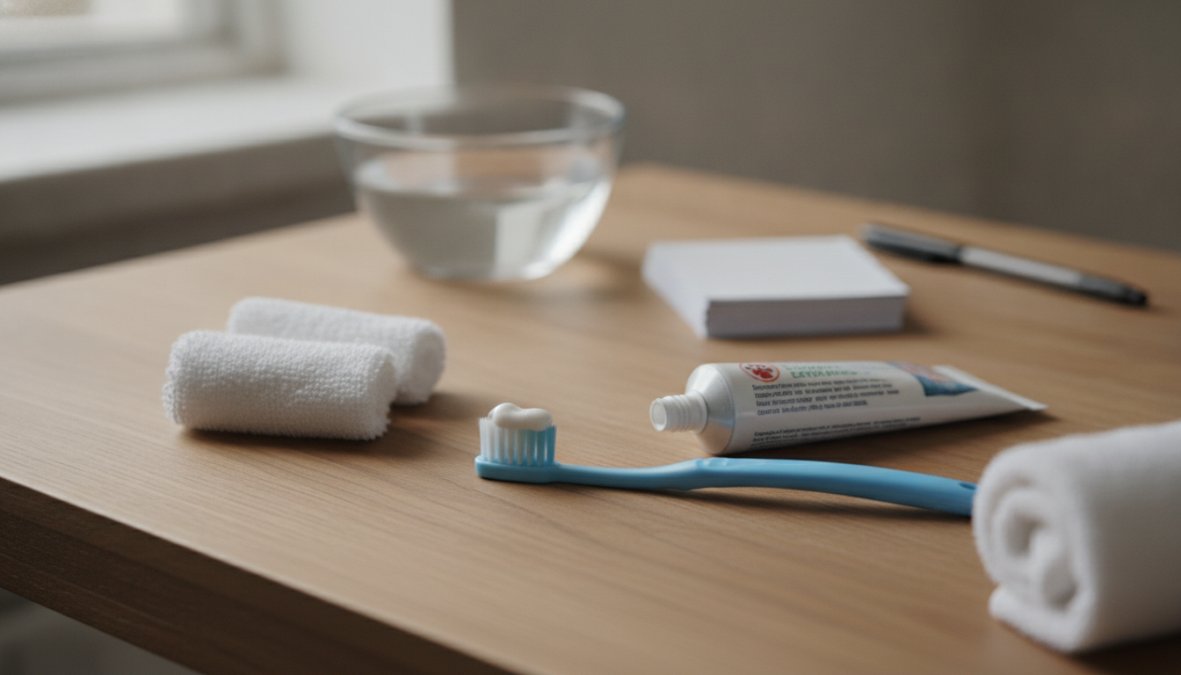
Brush at the same time each day, ideally after a meal or before bed. Pairing brushing with a predictable reward, like a brief play session, accelerates acceptance significantly.
A note on dental chews, water additives, and dental diets: These are useful supplements to brushing, not replacements. Products carrying the Veterinary Oral Health Council (VOHC) seal have met evidence-based standards for plaque and tartar reduction. According to the Veterinary Oral Health Council’s accepted product list, a growing number of chews, diets, and rinses carry this certification, but none replicate the mechanical cleaning action of a toothbrush.
The cost-benefit reality: Professional veterinary dental cleanings under anesthesia are the only way to clean below the gum line and assess bone health with dental X-rays. Preventative home care reduces how often cleanings are needed. Catching dental disease at Stage 1 or 2 versus Stage 4 represents a significant difference in both cost and outcome. CorePet’s Spay Neuter Dental service brings professional dental cleanings together with spay and neuter procedures, making it straightforward to address multiple aspects of your pet’s preventive care in one place.
Neglected oral health is one of the most preventable causes of shortened lifespans in companion animals. CorePet focuses exclusively on dental procedures alongside spay and neuter services, using modern surgical techniques to deliver professional cleanings and individualized care at reasonable costs for dogs, cats, and rabbits in Manchester, New Hampshire and the surrounding area. If your pet is overdue for a dental exam, book an appointment with CorePet and give your pet the foundation for a longer, healthier life.
Frequently Asked Questions
How does dental disease affect a dog's lifespan?
Dental disease, particularly advanced periodontal disease, allows oral bacteria to enter the bloodstream and travel to vital organs including the heart, liver, and kidneys. Chronic bacterial infection places ongoing stress on the immune system and can contribute to organ damage over time. Pets with untreated dental disease may experience a measurably shorter, lower-quality life. Routine veterinary dental cleanings and home oral hygiene are among the most impactful steps owners can take to support long-term well-being.
What are the early signs of dental disease in dogs and cats?
Early signs of dental disease in dogs and cats include persistent bad breath (halitosis), visible yellow or brown tartar buildup along the gumline, red or swollen gums (gingivitis), and pawing at the mouth. As the disease progresses, you may notice chewing difficulty, appetite loss, drooling, or facial swelling. Because companion animals instinctively hide pain, many owners don't notice symptoms until disease is already advanced, making regular dental exams critical for early detection.
Can I reverse dental disease in my pet at home?
Early-stage gingivitis, characterized by gum inflammation without bone loss, can sometimes be improved with consistent home oral hygiene, including daily brushing with a pet-safe toothbrush. However, once tartar has hardened onto teeth or periodontal disease has progressed beyond Stage 1, home care alone cannot reverse the damage. Only professional veterinary dental cleaning with anesthesia allows for mechanical cleaning below the gumline. Home care is most effective as prevention, not a cure for existing disease.
How often should pets have professional dental cleanings?
Most veterinary professionals recommend annual dental cleanings for the majority of dogs and cats, though some breeds with known dental predispositions, such as brachycephalic dogs or small-breed dogs prone to crowding, may benefit from more frequent visits. The American Veterinary Dental College supports routine dental exams at every wellness visit so your vet can recommend a cleaning schedule tailored to your pet's specific oral health status, age, and breed risk factors.
Is pet dental cleaning worth the cost?
Yes, when viewed as preventative care, professional dental cleaning is almost always more cost-effective than treating advanced disease. A routine veterinary dental cleaning typically costs a fraction of what tooth extractions, treatment for systemic infection, or management of organ damage can run. Investing in annual cleanings and daily home brushing helps avoid escalating veterinary bills while protecting your pet's quality of life and longevity. CorePet's pricing page lists current dental procedure costs transparently.
This article was written using GrandRanker