Table of Contents
- 7 Benefits of Early Spay for Puppies: What Every Owner Should Know
- Best Age to Spay a Dog: Finding the Right Window
- Health Benefits of Spaying a Dog: Prevention and Long-Term Wellness
- Behavioral Changes After Spaying Puppy: Positive Shifts in Temperament
Last Updated: July 26, 2026
7 Benefits of Early Spay for Puppies: What Every Owner Should Know
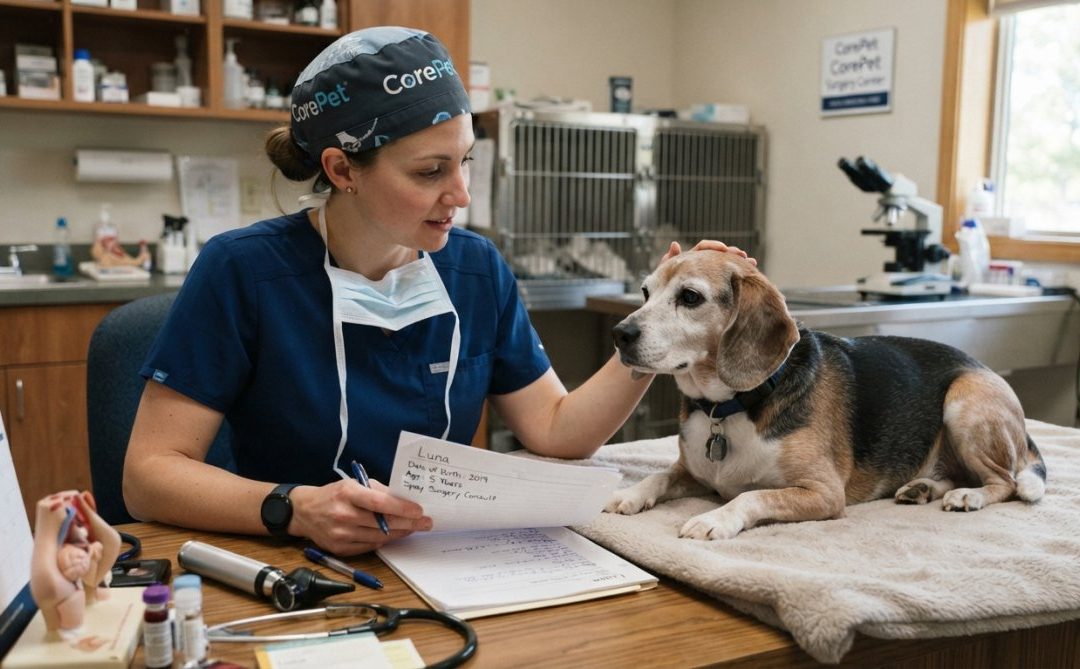
Understanding the 7 benefits of early spay for puppies is essential for any responsible pet owner in Bedford, New Hampshire. At CorePet, we’ve guided hundreds of puppy owners through this important decision, and the health advantages are substantial. Early spaying, typically performed between 6 and 12 weeks of age, prevents serious reproductive diseases, reduces behavioral problems, and eliminates the stress of managing an unspayed female.
The best time to discuss spaying with your veterinarian is during your puppy’s first wellness visit. Early planning ensures optimal care and avoids unnecessary delays.
Best Age to Spay a Dog: Finding the Right Window
The ideal window for spaying a puppy typically falls between 6 and 12 weeks of age, though some veterinarians recommend waiting until 8 to 16 weeks depending on breed. Early-age spaying prevents the hormonal cycles that trigger reproductive diseases and behavioral issues before they develop. Your veterinarian will assess your puppy’s individual health status, weight, and breed characteristics to determine optimal timing. Delaying spaying beyond 6 months increases the risk of pyometra, a life-threatening uterine infection, and mammary tumors.
Waiting until after the first heat cycle significantly increases mammary tumor risk. Each estrous cycle exposes breast tissue to hormones that can trigger malignant growth later in life.
Health Benefits of Spaying a Dog: Prevention and Long-Term Wellness
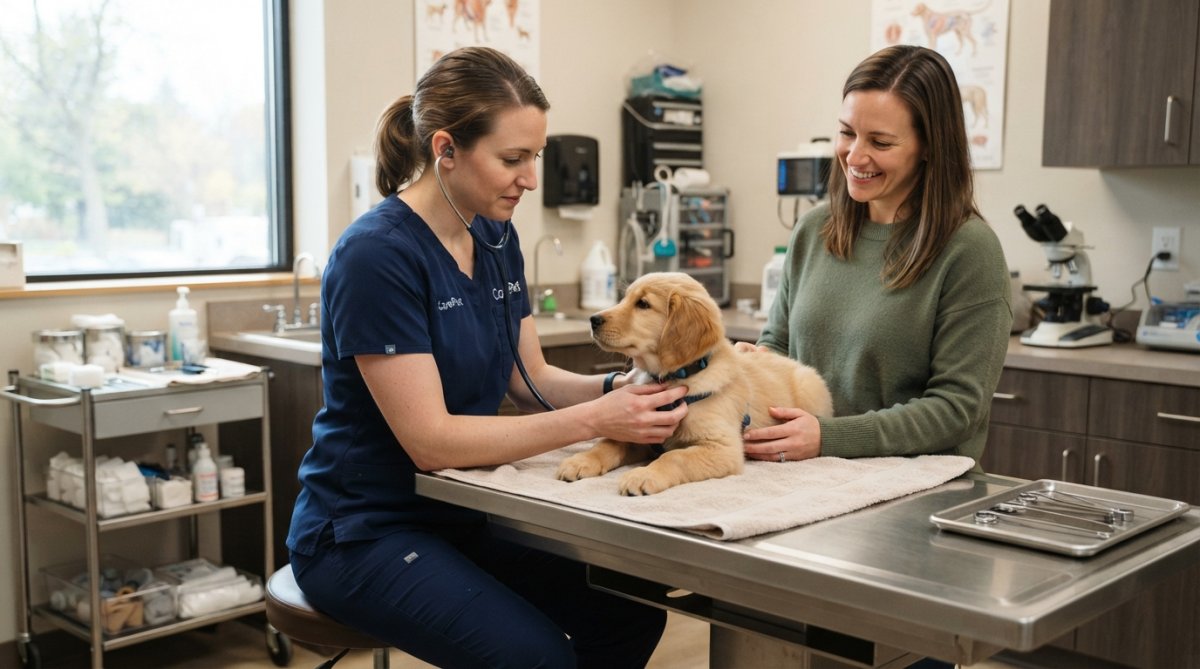
The 7 benefits of early spay for puppies center on disease prevention and extended lifespan. Spaying eliminates pyometra, a bacterial uterine infection that kills thousands of dogs annually. Mammary neoplasia affects approximately 1 in 25 unspayed females over their lifetime. Research shows that dogs spayed before their first estrus have less than 1% lifetime risk of developing mammary cancer, compared to 26% in unspayed females.
Ovarian and uterine cancers are eliminated entirely by spaying. These hormone-driven malignancies develop silently and are often discovered only when advanced. Spaying removes both the ovaries and uterus, preventing these diseases before they begin. Additional benefits include elimination of false pregnancies, which cause behavioral distress and hormonal imbalances in intact females.
| Benefit | Impact | Timing Importance |
|---|---|---|
| Pyometra prevention | Eliminates life-threatening uterine infection | Critical before first heat |
| Mammary tumor reduction | 99% risk reduction if spayed before first estrus | Must occur early |
| Ovarian/uterine cancer prevention | Complete elimination of these malignancies | Any age, but earlier is better |
| False pregnancy elimination | Prevents behavioral and hormonal distress | Before first cycle |
| Reproductive disease prevention | Eliminates hormone-driven conditions | Early spaying most effective |
Behavioral Changes After Spaying Puppy: Positive Shifts in Temperament
Spaying produces measurable behavioral improvements that benefit both puppy and household. Territorial marking, the frustrating habit of urinating on furniture and walls, is driven by reproductive hormones and disappears after surgery. Mounting and humping behaviors are hormone-driven responses that typically cease after spaying. Many owners report that their puppies become noticeably more obedient and trainable after surgery, likely because they’re no longer distracted by reproductive urges. Anxiety and restlessness during estrus cycles disappear completely, resulting in more consistent, predictable temperaments.
Behavioral improvements typically appear within 2-4 weeks after surgery as hormones clear the system. Owners often describe their puppies as “finally settling down” and becoming easier to manage.
Preventing Unwanted Litters and Breeding Complications
Unplanned pregnancies create cascading problems for both mother and offspring. Spaying eliminates the possibility of unwanted litters, protecting your puppy from the physical and emotional toll of pregnancy and nursing. Pregnancy and lactation place enormous metabolic demands on young females, depleting calcium, protein, and energy reserves. Puppies that become pregnant before skeletal maturity experience complications including dystocia (difficult labor), uterine rupture, and eclampsia (life-threatening calcium depletion). Early spaying prevents these reproductive emergencies entirely.
Reducing Territorial Marking and Mounting Behavior
Territorial marking intensifies during estrus as females attempt to broadcast their reproductive status. This behavior damages furniture, creates persistent odors, and complicates house training. Early spaying eliminates the hormonal drive behind marking, making house training significantly easier and more reliable.
Mounting behavior, often misinterpreted as dominance, is primarily a reproductive response. Spaying removes this behavior, resulting in more appropriate social interactions with other dogs and household members.
Some behavioral changes appear immediately after surgery, while others develop gradually over 4-6 weeks as hormone levels stabilize. Patience during the recovery period allows your puppy’s true temperament to emerge.
Safety of Early-Age Surgery and Anesthesia for Puppies
Modern anesthesia protocols make early spaying remarkably safe, even for young puppies. Advances in anesthetic drugs, monitoring equipment, and surgical techniques have reduced procedural risks to less than 1% in healthy puppies. Pre-operative bloodwork screens for underlying conditions, ensuring only healthy candidates proceed to surgery.
Puppies recover faster from anesthesia than adult dogs due to their efficient metabolism. Most puppies wake within 30 minutes of surgery completion and begin eating within 4-6 hours. Recovery is typically complete within 7-10 days. At CorePet in Bedford, New Hampshire, we focus on advanced surgical methods and modern equipment to ensure optimal results, with continuous anesthesia monitoring throughout the Spay Neuter Dental procedure. Complications are rare when surgery is performed by experienced veterinarians on healthy puppies, with infection rates less than 2% and hemorrhage occurring in less than 0.5% of early-age procedures.
Recovery Timeline and Activity Restriction After Surgery
The first 24 hours after spaying require close monitoring and strict rest. Your puppy should remain in a quiet, confined space to prevent jumping, running, or excessive activity. Pain medication keeps your puppy comfortable while healing begins.
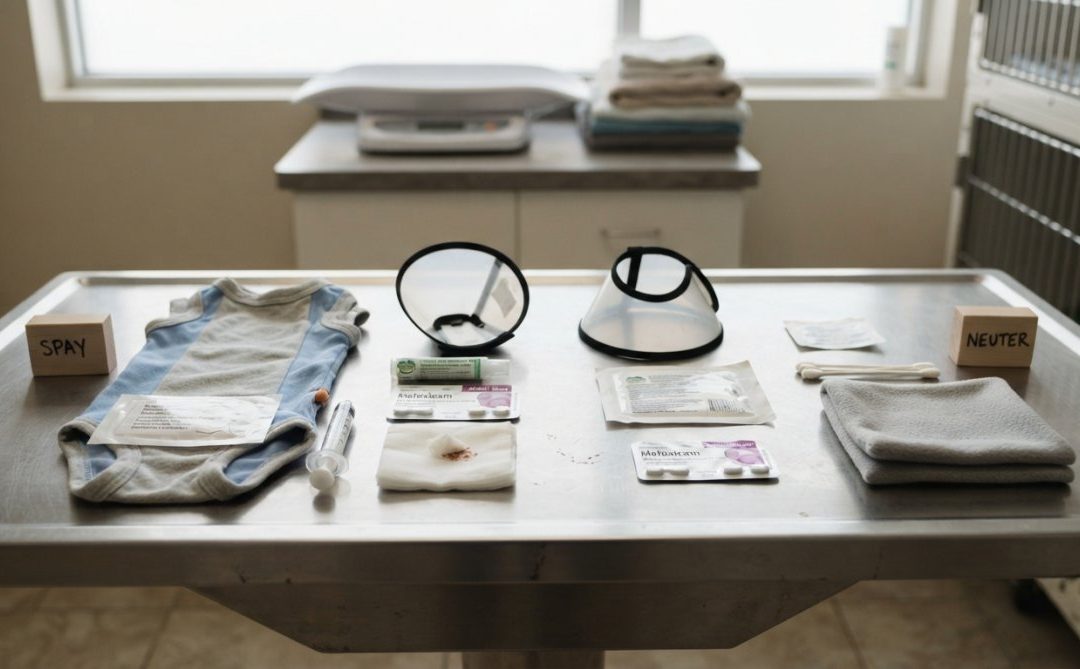
Days 2-7 represent the critical healing window when the incision is most vulnerable. Restrict activity to short, controlled leash walks for bathroom breaks only. Avoid playtime, jumping, and swimming during this period. Check the incision daily for signs of infection: redness, swelling, discharge, or foul odor. A recovery suit or protective collar prevents licking at the incision site.
Suture removal typically occurs 10-14 days after surgery. Most puppies return to normal activity levels by week 3, though full tissue healing continues for several weeks.
| Recovery Phase | Duration | Activity Level | Key Precautions |
|---|---|---|---|
| Immediate post-op | 24 hours | Complete rest | Pain management, monitoring |
| Early healing | Days 2-7 | Leash walks only | Prevent jumping, keep dry |
| Mid-recovery | Days 8-14 | Gradual activity increase | Watch incision, plan suture removal |
| Late recovery | Weeks 3-4 | Return to normal | Monitor for complications |
Early spaying is one of the most impactful health decisions you’ll make for your puppy. The combination of disease prevention, behavioral improvement, and reproductive security creates a compelling case for early intervention. At CorePet in Bedford, New Hampshire, our team focuses on spay, neuter, and dental procedures using advanced surgical techniques and modern equipment. We provide individualized care ensuring your puppy receives safe, compassionate treatment. Schedule your puppy’s consultation today and take the first step toward a healthier, happier life.
Frequently Asked Questions
What is the best age to spay a puppy?
The optimal timing for early spay depends on your puppy's breed, size, and overall health. Many veterinarians recommend spaying between 6 and 12 weeks of age, though some research suggests waiting until after the first heat cycle in larger breeds. Consult your veterinarian to determine the best age for your individual puppy, as breed-specific considerations can affect the ideal timing for early spay.
Are there health benefits of spaying a dog beyond preventing litters?
Yes. Spaying eliminates the risk of pyometra (a life-threatening uterine infection) and significantly reduces the risk of mammary tumors, especially when done early. Early spay also prevents ovarian and uterine cancers. Beyond reproductive health, spayed dogs often experience improved behavioral stability and reduced hormone-driven behaviors like territorial marking and mounting.
What behavioral changes after spaying puppy should I expect?
Many owners notice reduced territorial marking, less mounting behavior, and calmer overall temperament in spayed puppies. Hormonal balance improves, which can lead to more predictable behavior and easier training. However, spaying does not eliminate all behavioral issues, proper training and socialization remain essential for a well-adjusted companion dog.
What are the risks of early spay in puppies I should know about?
While early spay is generally safe, potential risks include anesthesia sensitivity in very young puppies, possible effects on bone development in large breeds, and rare complications like infection or bleeding. Modern surgical techniques and anesthesia protocols have made early-age spaying safer than ever. Discuss breed-specific considerations and your puppy's health status with your veterinarian before scheduling.
How long is the recovery time after puppy spay surgery?
Most puppies recover within 7-10 days, though full healing takes 2-3 weeks. During recovery, limit physical activity, prevent jumping and running, and keep the surgical site clean and dry. Your veterinarian will provide specific post-operative care instructions. Use recovery aids like soft cones or recovery suits to prevent licking, and follow all medication guidelines for pain management and infection prevention.
This article was written using GrandRanker