Last Updated: November 8, 2026
Quick Summary
To choose pet toothpaste, pick a product made for your pet’s species, never use human toothpaste, and check the label for ingredients that are safe to swallow. Look for a flavor your pet will accept, and brush daily or as your vet recommends.
- Human toothpaste often contains fluoride and other ingredients pets should not swallow.
- Confirm the product is made for your pet’s species, since dog and cat formulas are not always interchangeable.
- Introduce it slowly by letting your puppy or kitten lick a small amount off your finger first.
- Dog toothpaste should never contain xylitol, which is toxic to dogs.
- Look for the Veterinary Oral Health Council (VOHC) seal, which indicates the product has been reviewed for its effect on plaque or tartar.
Table of Contents
- Why Pet Toothpaste Differs from Human Toothpaste
- How to Choose Pet Toothpaste for Puppies and Cats
- What Should Not Be in Dog Toothpaste and How to Verify VOHC Acceptance
- Frequently Asked Questions
Why Pet Toothpaste Differs from Human Toothpaste
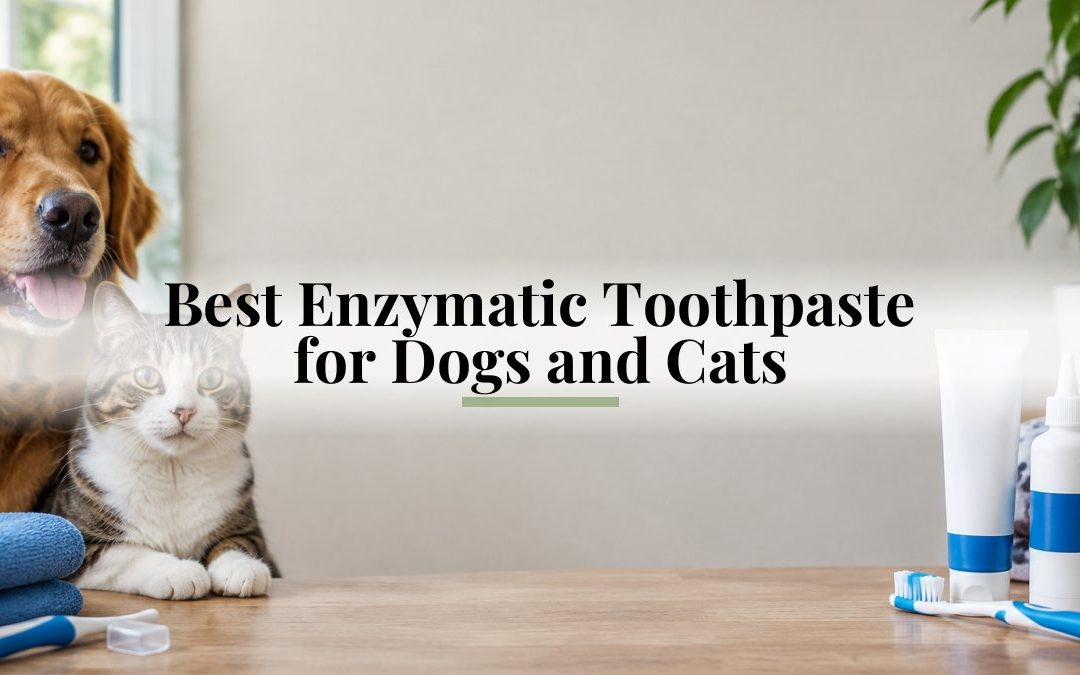
Pet toothpaste is made for animals, and human toothpaste is not. Human toothpaste often contains fluoride and other ingredients that pets should not swallow, and pets swallow toothpaste during brushing, so the formula matters. VCA Animal Hospitals guidance on choosing toothbrushes and toothpaste for dogs
Pet-specific toothpastes are designed to be swallowed safely and often come in flavors such as poultry, beef, or mint. Many veterinary sources recommend products with enzymes that help break down plaque, and a 2019 AAHA Dental Care Guidelines for Dogs and Cats lists daily brushing with pet toothpaste as an example of home dental care.
How to Choose Pet Toothpaste for Puppies and Cats
Choose pet toothpaste for puppies and cats with the animal’s age, species, and tolerance in mind:
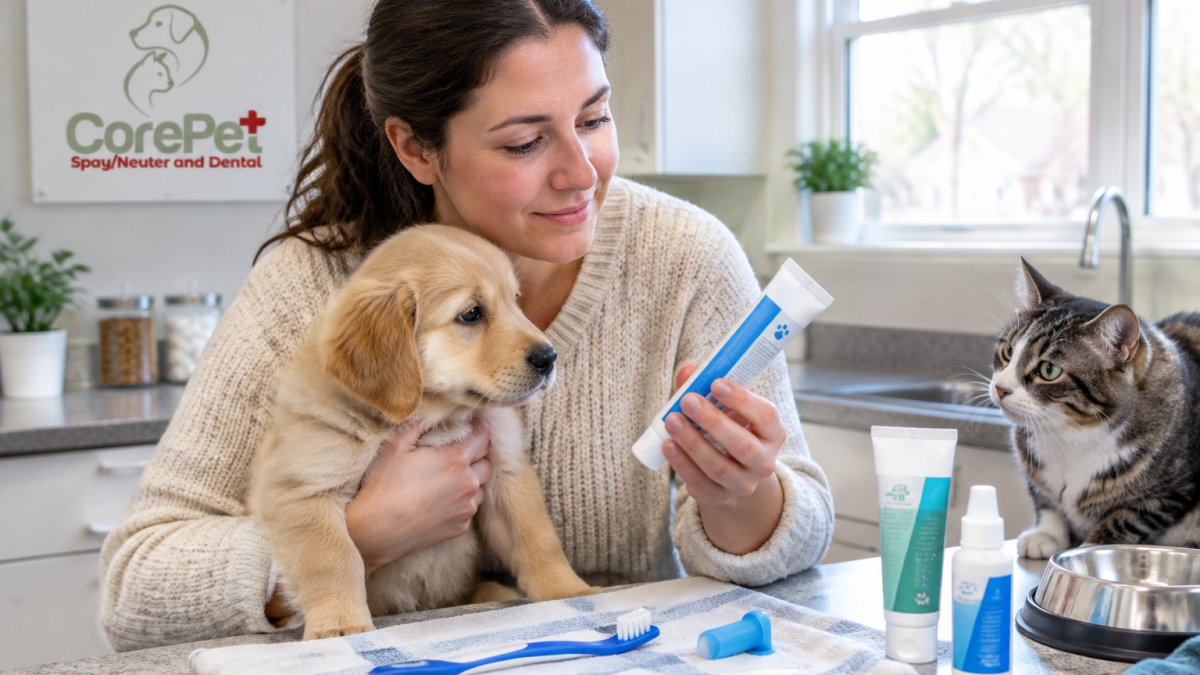
- Confirm the product is made for your pet’s species. Dog and cat formulas are not always interchangeable.
- Check the label for ingredients that are safe to swallow. Avoid human toothpaste entirely.
- Pick a flavor your pet will accept. Poultry, beef, and malt flavors are common options.
- Introduce it slowly. Let your puppy or kitten lick a small amount off your finger before brushing.
- Brush daily, or as your vet recommends. Consistency matters more than the brand.
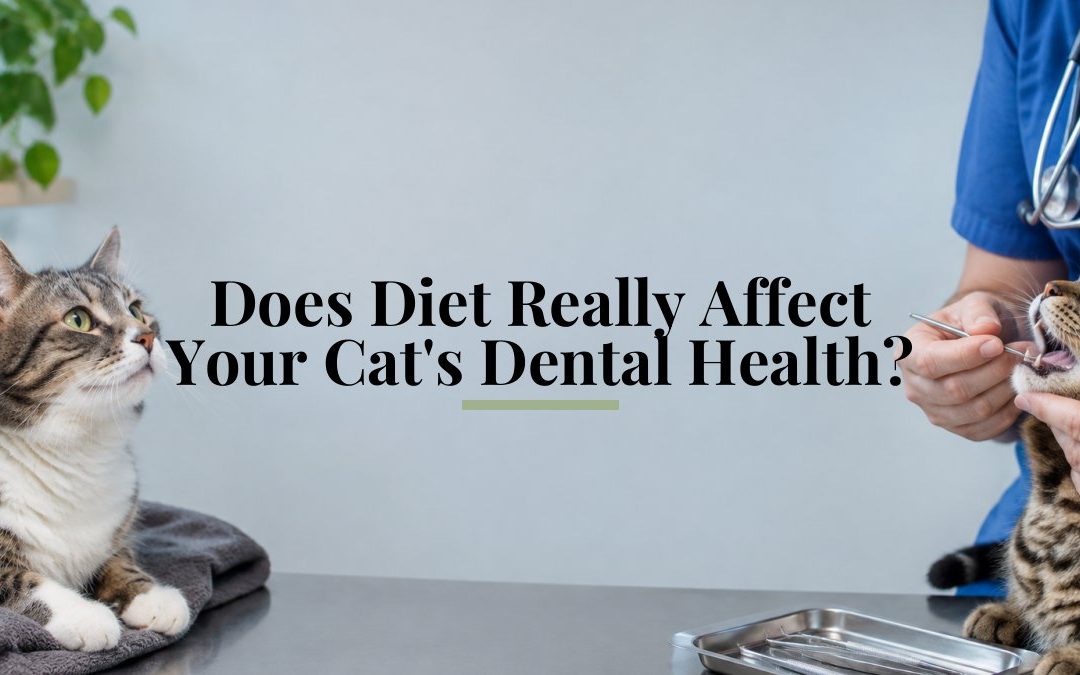
A peer-reviewed study on pet toothpaste and oral bacteria in dogs examined how toothpaste affects oral bacteria in dogs, though the results should be read as one piece of evidence. Pet owners can also learn about how to choose the right toothbrush for a puppy to pair with the toothpaste. Diet also plays a role, and this guide on whether diet affects a cat’s dental health explains how.
What Should Not Be in Dog Toothpaste and How to Verify VOHC Acceptance
Dog toothpaste should never contain ingredients that are unsafe to swallow. Check the label for human-only ingredients, and be cautious with any product lacking a clear pet-specific label. Xylitol is toxic to dogs, so avoid any product containing it.
Look for the Veterinary Oral Health Council (VOHC) seal on the packaging, which indicates a product has been reviewed for its effect on plaque or tartar.
Pets with existing dental problems, sensitivities, or health conditions may need a different approach. Ask a veterinarian before choosing a product, and watch for warning signs such as bad breath, bleeding gums, or difficulty eating. For professional care, consider a professional pet dental cleaning as a complement to home brushing.
| Pet Type | Key Ingredient to Avoid | What to Look For |
|---|---|---|
| Dog | Xylitol, fluoride | Pet-specific formula, VOHC seal |
| Cat | Human toothpaste of any kind | Cat-specific flavor, enzymes |
| Puppy/Kitten | Anything not labeled for pets | Gentle, swallowable formula |
For more on dental care options, CorePet offers spay, neuter, and dental services for dogs, cats, and rabbits in New Hampshire.
Choosing the right pet toothpaste takes a few careful checks. Start with a pet-specific formula, verify VOHC acceptance, and talk with your veterinarian about your pet’s needs.
Frequently Asked Questions
What should not be in dog toothpaste?
Dog toothpaste should never contain xylitol, which is toxic to dogs, and human toothpaste should be avoided because it can contain fluoride and foaming agents that pets should not swallow. Look for a formula made specifically for pets, typically with poultry, beef, or malt flavoring. Check the ingredient list before buying and confirm that the product is labeled for dogs. If your dog has swallowed a toothpaste with xylitol, contact a veterinarian right away. A consultation can help you confirm what is safe for your pet’s age, size, and dental needs.
Can you use human toothpaste on dogs or cats?
No. Veterinary guidance advises using only toothpaste designed for pets because human toothpaste contains ingredients such as fluoride that should not be swallowed. Pets cannot spit out toothpaste the way people do, so anything they swallow matters. Pet toothpastes are formulated to be safe for swallowing and often come in flavors like poultry or beef that encourage brushing. If you are unsure which product fits your pet, a veterinarian can recommend options based on your pet’s needs.
How can you tell whether pet toothpaste is effective?
Look for a Veterinary Oral Health Council (VOHC) acceptance seal on the packaging, which indicates the product has been reviewed for plaque or tartar control claims. Also check for enzymatic ingredients, which are designed to help break down plaque. Effectiveness depends on consistent brushing, so a product your pet tolerates and that you use regularly will work better than one that is rarely used. Schedule a dental exam with a veterinarian if you notice bad breath, red gums, or tartar buildup.