Table of Contents
- Alternatives to Early Spaying for Small Dog Breeds: An Overview
- Risks of Early Spaying in Small Dogs
- Ovary-Sparing Spay and Other Surgical Alternatives for Small Dog Breeds
- Benefits of Delaying Spay for Small Dogs
Alternatives to Early Spaying for Small Dog Breeds
Last Updated: July 27, 2026
When small dog owners hear their veterinarian recommend spaying at six months old, many assume it’s the only option. But emerging research and surgical innovations are changing that conversation. This guide from CorePet covers alternatives to early spaying for small dog breeds, including ovary-sparing procedures, vasectomy options, and management strategies that let you delay or modify traditional sterilization. Understanding these choices helps you make decisions aligned with your dog’s long-term health, not just breeding prevention.
The timing of spay and neuter surgery matters more than most pet owners realize. Early sterilization can affect bone development, hormone balance, and orthopedic health in ways that weren’t fully understood a decade ago. For small breeds, these effects are more pronounced because their growth plates close later than larger dogs.
Risks of Early Spaying in Small Dogs
Early spaying removes the ovaries and uterus before a dog reaches full skeletal maturity, typically around 18-24 months in small breeds. This sudden hormonal shift can have measurable consequences.
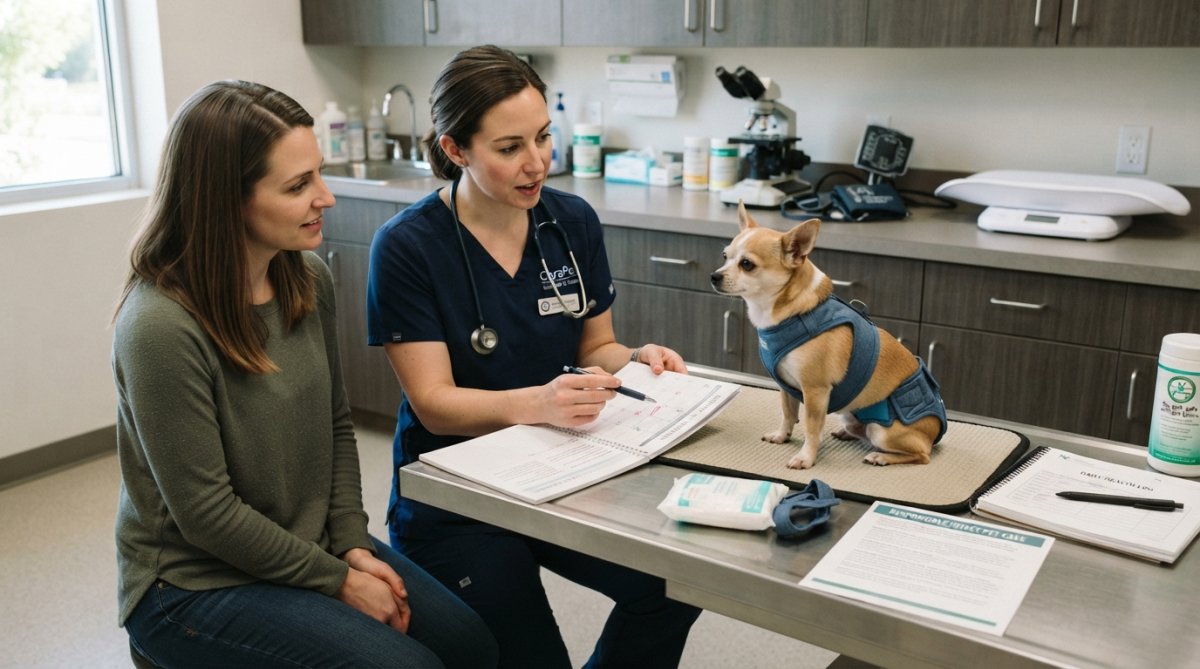
Joint disorders represent one of the most significant long-term risks. When ovaries are removed early, estrogen production drops dramatically. Estrogen plays a critical role in bone density and cartilage health. Small breeds already prone to conditions like patellar luxation and hip dysplasia face compounded risk when spayed before growth plates fully close. Research indicates that dogs spayed before one year of age show higher rates of orthopedic problems later in life.
Cancer risks associated with sterilization are often overlooked. Hemangiosarcoma, a deadly blood vessel cancer, occurs at higher rates in spayed dogs compared to intact females. Early ovarian removal correlates with increased risk of certain cancers, including mammary tumors and osteosarcoma, suggesting that maintaining natural hormone production during critical developmental windows may offer protective benefits.
Removing hormones entirely can lead to anxiety, fear-based aggression, and other behavioral complications.
Small breeds spayed before 12 months show elevated rates of joint disease, certain cancers, and behavioral issues compared to dogs sterilized later or left intact with management strategies.
Ovary-Sparing Spay and Other Surgical Alternatives for Small Dog Breeds
Ovary-Sparing Spay (OSS) removes the uterus while leaving the ovaries intact. This prevents pregnancy and eliminates the risk of pyometra (uterine infection) while preserving natural hormone production. For small dog breeds, this means maintaining the estrogen and progesterone that support bone density, muscle tone, and metabolic health.
The key advantage is hormonal continuity. Your dog retains natural hormonal cycles, which means she will still experience estrus (heat). This requires management through washable female dog diapers, keeping her away from intact males during fertile windows, or using temporary contraceptive implants. The trade-off is significant: she avoids the orthopedic complications linked to early ovariohysterectomy.
Vasectomy for male dogs offers a parallel solution. A vasectomy sterilizes without removing the testicles, so testosterone production continues normally. The dog cannot father puppies but retains the hormonal profile that supports bone strength and normal development. Recovery is typically faster than traditional neutering.
Tubal ligation in females is another option, though less commonly performed. Like vasectomy, it prevents pregnancy while maintaining ovarian function.
Suprelorin (deslorelin implant) is a temporary, non-surgical alternative that suppresses fertility chemically. A small implant releases hormones that suppress the reproductive system for 6-12 months, allowing owners to trial the effects of sterilization before committing to surgery. For small breeds where behavioral or health concerns are uncertain, this reversibility offers valuable information.
Ovary-sparing spay and vasectomy are not widely available at all veterinary clinics. Before choosing these procedures, confirm that your veterinarian has training and experience. Ask about their case volume and complication rates.
Benefits of Delaying Spay for Small Dogs
Delaying sterilization until after growth plates close, typically 18-24 months for small breeds, allows the skeleton to develop fully under natural hormonal influence. This reduces the incidence of orthopedic disease significantly.
Small breeds prone to hip dysplasia and patellar luxation benefit measurably from delayed spay. The growth plates require estrogen and other hormones to close properly and distribute bone mineral density evenly. Removing these hormones prematurely disrupts this process.
Hormonal development during adolescence affects thyroid function, immune system maturation, and cognitive development. Dogs sterilized after reaching skeletal maturity show fewer autoimmune issues and better overall health resilience.
Behavioral maturity arrives later in small breeds than in larger dogs. Many behavioral problems attributed to intact status actually resolve naturally as dogs mature. Delaying sterilization allows you to see whether marking or roaming are genuine issues or temporary adolescent phases.
If you delay spay, use management strategies during heat cycles. Washable diapers cost far less than treating orthopedic disease later. Plan ahead during fertile windows by keeping your dog indoors or in secure spaces.
Practical Management Strategies for Intact Small Dogs in Bedford, New Hampshire
Living with an intact small dog requires planning but is entirely manageable. For females in heat, washable female dog diapers provide absorbent protection without waste. These are designed with triple-layer absorbency and secure closures to prevent leaks on furniture and floors.
For male dogs, belly bands or wraps manage marking behavior indoors. These washable garments wrap around the torso and contain urine, allowing intact males to live comfortably in the home without constant accidents.
Behavioral management during heat cycles is straightforward: keep your dog indoors during fertile windows, exercise her on leash, and avoid dog parks where she might encounter intact males. Heat cycles in small breeds typically last 2-3 weeks, occurring roughly every 6-12 months depending on the individual.
Veterinary consultation is essential before deciding to delay or modify sterilization. Your veterinarian can assess your specific dog’s health profile, breed predispositions, and individual risk factors. For small breeds in Bedford, New Hampshire, discussing these options early, ideally before six months of age, allows time to gather information and make an informed choice.
| Management Strategy | Best For | Duration | Cost Level |
|---|---|---|---|
| Washable female diapers | Females in heat | Heat cycle (2-3 weeks) | Low |
| Male belly bands | Intact males with marking | Ongoing when indoors | Low |
| Suprelorin implant | Trial period before surgery | 6-12 months | Moderate |
| Ovary-sparing spay | Females; hormone preservation | Permanent | Moderate-High |
| Vasectomy | Males; hormone preservation | Permanent | Moderate |
Why Veterinary Consultation Matters
Choosing alternatives to early spaying for small dog breeds requires professional guidance. Your veterinarian understands your dog’s individual health history, breed-specific risks, and family circumstances. They can assess whether your small breed carries genetic predisposition to orthopedic disease, certain cancers, or other conditions that influence the timing and type of sterilization.
At CorePet, our focus is on providing individualized care tailored to each dog’s specific needs. When you consult with a veterinarian experienced in these procedures, you’re getting a long-term health strategy. Questions to ask include: What is your experience with ovary-sparing spay? What complications have you seen? How do you manage intact dogs post-operatively? What follow-up monitoring do you recommend?
The veterinarian-owner partnership is where good decisions happen. Bring your concerns, your dog’s health records, and your lifestyle into the conversation. The best choice for one small dog may not be ideal for another.
Managing your small dog’s reproductive health requires weighing immediate breeding prevention against long-term orthopedic and hormonal health. Alternatives to early spaying for small dog breeds, including ovary-sparing procedures, vasectomy, and delayed sterilization with management strategies, offer options that traditional early spay does not. CorePet focuses on Spay Neuter Dental procedures using advanced surgical techniques and modern equipment, ensuring safe, individualized care for your dog’s specific needs. Book an appointment to discuss which approach aligns best with your dog’s health profile and your family’s situation.
Frequently Asked Questions
What are the main risks of early spaying in small dog breeds?
Early spaying in small dogs can increase the risk of joint disorders like hip dysplasia and orthopedic problems due to disrupted growth plate closure. Research also suggests links to certain cancers, including hemangiosarcoma and osteosarcoma. Additionally, early removal of hormones may affect bone density, muscle development, and metabolic health. Small breeds are particularly vulnerable to these complications, making timing and alternatives worth careful consideration.
What is an ovary-sparing spay (OSS) and is it suitable for small dog breeds?
An ovary-sparing spay (OSS) removes the uterus while leaving the ovaries intact, allowing natural hormone production to continue. This approach prevents pregnancy and eliminates pyometra risk while retaining hormonal benefits for bone health and joint development. OSS is especially suitable for small dog breeds concerned about growth plate issues and orthopedic health. The dog will continue to experience heat cycles but cannot become pregnant, requiring management strategies during estrus.
Are there non-surgical sterilization options for female dogs?
Yes, temporary non-surgical options exist, including deslorelin implants (Suprelorin), which suppress fertility without surgery and are reversible. These implants work by altering hormonal development and can help owners assess behavioral changes before permanent sterilization. However, non-surgical options typically require re-implantation for continued contraception and may have delayed onset. Management tools like washable diapers can help owners handle heat cycles while exploring alternatives to early spaying.
What behavioral implications should I expect if I delay spaying my small dog?
Intact dogs may exhibit increased marking behavior, roaming instincts, and heightened responses to other dogs during estrus cycles. Female dogs in heat will attract male dogs and require careful supervision. However, many owners find these behaviors manageable through containment, training, and monitoring. The behavioral trade-off must be weighed against the potential health benefits of delayed sterilization and hormonal retention during critical growth phases in small breeds.
How do I find a veterinary provider experienced with spay alternatives in Bedford, New Hampshire?
Look for veterinary centers that focus on surgical alternatives and discuss options beyond traditional spaying. Ask about their experience with ovary-sparing spay, vasectomy, and temporary contraceptive methods. Many specialized surgery centers in the Bedford area now offer advanced techniques and can discuss cost-benefit analysis of each approach. Consultation allows you to understand what's included in quotes and ensure the provider matches your dog's specific needs and health profile.
This article was written using GrandRanker