Table of Contents
- Understanding Pre-Operative Requirements Before Dental Surgery
- Fasting Requirements for Pet Surgery
- Pre-Surgical Exam and Blood Work
- Managing Anxiety and Preparing Your Pet Emotionally
- Medication Adjustments Before Dental Surgery
- What to Expect During the Dental Surgery Procedure
- Pet Dental Surgery Recovery Tips and Home Care
- Follow-Up Care and Monitoring for Complications
- Choosing the Right Surgical Center for Your Pet in Bedford, New Hampshire
- Frequently Asked Questions
Last Updated: August 9, 2026
According to veterinary research, dental disease affects up to 80% of pets over the age of three, yet many pet owners delay necessary dental procedures due to uncertainty about pre-operative care. Knowing how to prepare your pet for dental surgery significantly improves outcomes and reduces anxiety for both you and your animal.
Understanding Pre-Operative Requirements Before Dental Surgery
Before your pet undergoes dental surgery, your veterinarian will establish specific pre-operative guidelines tailored to your animal’s age, health status, and the complexity of the procedure. These requirements typically include fasting, bloodwork, a physical examination, and medication adjustments, each playing a critical role in surgical safety.
The pre-surgical exam allows your veterinarian to assess your pet’s overall health and identify any underlying conditions that might complicate anesthesia or recovery. Blood work provides essential information about organ function, particularly the liver and kidneys, which metabolize anesthetic drugs. A complete blood count and chemistry panel reveal whether your pet’s body can safely handle sedation and recover properly afterward.
Fasting Requirements for Pet Surgery
The most critical pre-operative step is fasting your pet before dental surgery. Fasting requirements typically mean withholding food for 6-8 hours before the scheduled procedure and water for 2-4 hours beforehand. This fasting period reduces the risk of aspiration, a serious complication where stomach contents enter the lungs during anesthesia.
When your pet loses consciousness, their swallowing reflex diminishes, making it possible for stomach contents to travel up the esophagus and into the airway. By fasting your pet, you empty the stomach and significantly reduce this risk. Your veterinarian will provide specific fasting instructions based on your pet’s age and health status, follow these instructions precisely.
The night before surgery, remove your pet’s food bowl and note the last time your pet ate. If your pet accidentally eats or drinks after the fasting window has closed, contact your veterinarian immediately, as they may need to reschedule the procedure.
For pets on medication, ask your veterinarian which medications to give the morning of surgery and which to skip. Some medications should be taken with food, while others may interfere with anesthesia if given too close to the procedure.
Pre-Surgical Exam and Blood Work
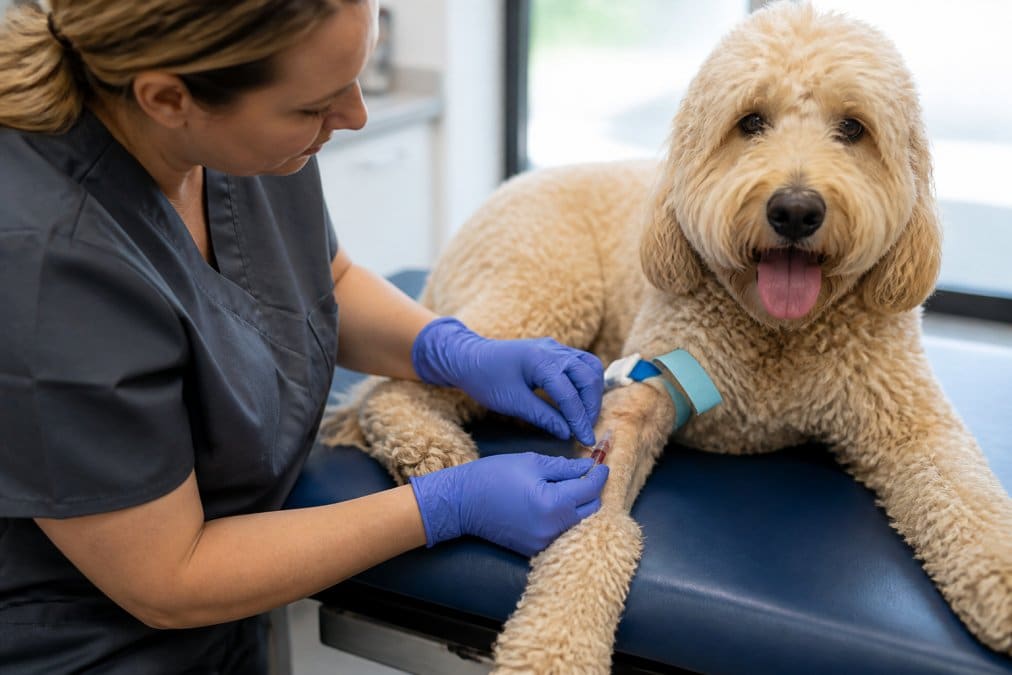
A thorough pre-surgical examination establishes your pet’s baseline health status and identifies any conditions that might affect anesthetic safety. Blood work typically includes a complete blood count and comprehensive metabolic panel, evaluating red and white blood cell counts, platelet function, liver enzymes, kidney function, blood glucose, and electrolyte balance. For pets over seven years old or those with pre-existing health conditions, blood work is especially valuable in preventing post-operative complications.
Your veterinarian may also recommend dental radiographs before the procedure to assess the extent of dental disease and plan the surgical approach. Radiographs reveal problems below the gumline that aren’t visible during a basic oral examination.
Managing Anxiety and Preparing Your Pet Emotionally
Anxiety before dental surgery is common in pets, and emotional preparation can significantly reduce stress-related complications during anesthesia. Start anxiety management several days before surgery by creating positive associations with the veterinary clinic through short, reward-based visits where nothing medical happens, just treats and praise.
On the day before surgery, keep your pet’s routine as normal as possible, maintaining regular feeding times (except during the fasting window) and providing familiar toys and comfortable bedding. Consider calming supplements designed for pets experiencing stress, such as those containing L-theanine and other natural ingredients that promote relaxation without sedation.
On the morning of surgery, keep interactions calm and reassuring. Speak in a soft, normal voice, and arrive a few minutes early so your pet has time to acclimate to the clinic environment before pre-operative preparation.

Medication Adjustments Before Dental Surgery
If your pet takes regular medications, discuss with your veterinarian which ones to continue and which to skip on the day of surgery. Medications that thin the blood, such as aspirin or other anticoagulants, may need to be stopped several days before surgery to reduce bleeding risk. Diabetic medications may need adjustment if your pet will be fasting. Heart medications and seizure medications typically continue as scheduled unless your veterinarian advises otherwise.
Create a written list of all medications, supplements, and herbal products your pet takes, including dosages and frequency. Bring this list to your pre-operative consultation so your veterinarian can review each one and ensure safety.
What to Expect During the Dental Surgery Procedure
Understanding what happens during dental surgery helps you feel more confident about your pet’s care. When you arrive at the clinic, your pet will be taken to the pre-operative area where staff will place an intravenous catheter in your pet’s leg or front paw.
Your veterinarian will monitor your pet continuously throughout the procedure using equipment that tracks heart rate, blood pressure, oxygen levels, and body temperature. Your pet’s airway will be protected with an an endotracheal tube, which prevents aspiration and allows controlled oxygen delivery during surgery. During the dental procedure, your veterinarian examines each tooth, removes tartar and plaque, and extracts any teeth that are diseased, fractured, or mobile.
Pet Dental Surgery Recovery Tips and Home Care
Recovery begins immediately after your pet wakes from anesthesia, and the first 24-48 hours are critical for preventing complications. Provide a quiet, comfortable recovery space away from other pets and children. Keep your pet warm, as body temperature often drops during anesthesia.
For the first few hours after returning home, restrict your pet’s activity. No running, jumping, or rough play, as these activities can increase bleeding or cause your pet to bite their own mouth or tongue while still partially numb. Keep your pet confined to a small, safe area for the first 24 hours.
Pain management is essential during recovery. Your veterinarian will prescribe pain medication, typically given for 3-7 days after surgery. Administer pain medication exactly as directed, even if your pet seems comfortable.
For the first 7-10 days, offer only soft or wet food, no kibble, hard treats, or crunchy vegetables. Canned food, softened dry food, or prescription soft diet formulas work well. Gradually transition back to your pet’s normal diet over 1-2 weeks as healing progresses.
Watch for vomiting after dental surgery, which can occur as your pet recovers from anesthesia. If vomiting persists beyond 24 hours or is accompanied by lethargy or loss of appetite, contact your veterinarian immediately. Limit water intake for the first few hours after surgery, offering small amounts every 30 minutes until your pet is fully alert.
Follow-Up Care and Monitoring for Complications
Schedule a follow-up appointment with your veterinarian 7-10 days after surgery to assess healing and remove any sutures if needed. Monitor your pet’s extraction sites daily for signs of problems. Normal healing involves slight redness and minimal swelling that decreases over several days. Concerning signs include excessive swelling, pus, persistent bleeding, or a foul odor from the mouth.
Some bleeding from extraction sites is normal for the first 24-48 hours. If bleeding persists beyond 48 hours or is heavy, contact your veterinarian. Watch for behavioral changes during recovery, pets in pain may become withdrawn, stop eating, or show signs of depression. If your pet’s appetite doesn’t return within 24-48 hours or if your pet seems unusually lethargic, contact your veterinarian.
Choosing the Right Surgical Center for Your Pet in Bedford, New Hampshire
When selecting a surgical center for your pet’s dental procedure, prioritize facilities that focus exclusively on dental and surgical procedures with experienced teams and modern equipment. A dedicated surgical center maintains higher standards of anesthetic monitoring and surgical technique compared to general veterinary practices.
Spay Neuter Dental at CorePet, located in Bedford, New Hampshire, focuses exclusively on spay, neuter, and dental procedures, using advanced surgical techniques and modern equipment to ensure the highest medical standards. By focusing solely on these procedures, CorePet’s experienced team maintains exceptional expertise and efficiency in dental surgery. The facility’s commitment to individualized care makes quality dental surgery accessible for pet owners throughout the region.
When evaluating a surgical center, ask about their anesthetic protocols, monitoring equipment, and experience with your pet’s specific breed or age group. Inquire about their emergency protocols in case complications arise during surgery.
Preparing your pet for dental surgery requires planning, attention to detail, and clear communication with your veterinarian. By following pre-operative instructions, managing your pet’s anxiety, and understanding what to expect during recovery, you give your pet the best chance for a successful procedure and smooth healing. CorePet’s team in Bedford, New Hampshire is ready to provide exceptional dental surgery care for your dog, cat, or rabbit. Learn more about pre-operative care guidelines from the American Animal Health Association. Book an appointment with CorePet today and take the first step toward your pet’s improved dental health and overall wellbeing.
Frequently Asked Questions
How long should my pet fast before dental surgery?
Most veterinarians recommend fasting your pet for 6-8 hours before dental surgery. This is typically an overnight fast, meaning you should withhold food after dinner the evening before the procedure. Water is usually allowed until a few hours before surgery. Always follow your veterinarian’s specific pre-operative fasting instructions, as requirements may vary based on your pet’s age, health status, and the type of anesthesia being used.
What are the main signs of dental pain in pets?
Common signs of dental pain in pets include bad breath, difficulty eating or dropping food, excessive drooling, swelling around the face or jaw, pawing at the mouth, and behavioral changes like irritability or withdrawn behavior. Some pets may also show reluctance to chew toys or eat hard kibble. If you notice any of these signs of dental pain in pets, contact your veterinarian promptly, as dental disease can progress quickly and affect overall health.
What should I do the night before my pet’s dental procedure?
The night before surgery, follow your veterinarian’s fasting instructions carefully. Feed your pet their last meal at the recommended time, then withhold food overnight. Provide water as instructed. Keep your pet calm and in a quiet environment. Avoid stressful activities or excessive play. Prepare a comfortable recovery space at home with soft bedding. Set an alarm to arrive on time for your appointment, and plan to have someone available to monitor your pet during recovery.
How can I help my pet recover after dental surgery?
Pet dental surgery recovery tips include keeping your pet in a quiet, comfortable space away from other animals and children. Provide soft food and fresh water, and monitor pain levels. Limit activity for the first few days post-operative. Use pain management medications as prescribed by your veterinarian. Watch for signs of complications like excessive bleeding, vomiting, or difficulty breathing. Keep the surgical site clean and follow all discharge instructions. Schedule a follow-up appointment to ensure proper healing.
Is my senior pet at higher risk during dental surgery?
Senior pets may have increased anesthetic risk due to age-related changes in organ function. A thorough pre-surgical exam and blood work are especially important for older pets to assess their ability to tolerate anesthesia safely. Your veterinarian may adjust anesthesia protocols based on these results. However, age alone is not a reason to avoid necessary dental surgery, as untreated dental disease poses serious health risks. Discuss your senior pet’s specific health status with your veterinarian.
This article was written using GrandRanker