Table of Contents
- What Pet Anesthesia Safety Protocols Involve
- Pre-Anesthetic Blood Work Requirements and Testing
- Pet Anesthesia Monitoring Equipment During Surgery
- Veterinary Surgical Recovery Tips and Post-Operative Care
What Pet Anesthesia Safety Protocols Involve
Pet anesthesia safety protocols are comprehensive systems designed to protect animals during surgical procedures by monitoring vital functions, managing pain, and responding to emergencies. At CorePet, understanding these protocols helps pet owners feel confident their animals receive the highest standard of care during procedures like spay, neuter, and dental work.
Safety protocols begin long before an animal enters the operating room. They include pre-operative evaluation, careful selection of anesthetic agents matched to each pet’s health profile, continuous monitoring during surgery, and structured recovery procedures. The goal is to minimize risk while ensuring the animal remains comfortable and stable throughout the entire surgical experience.
Effective pet anesthesia safety depends on several interconnected layers: thorough health assessment, appropriate drug selection, real-time vital sign monitoring, skilled anesthetic management, and attentive post-operative care. Each layer builds on the others to create a comprehensive safety net.
Pre-Anesthetic Blood Work Requirements and Testing
Pre-anesthetic blood work is essential for identifying hidden health conditions that could affect how an animal responds to anesthesia. This testing evaluates organ function, blood chemistry, and overall health status before surgery begins.
Blood work typically includes a complete blood count and chemistry panel, which measure red and white blood cell levels, kidney function, liver function, and blood glucose (avma.org). These results help the veterinary team choose the safest anesthetic agents and adjust dosages appropriately. Animals with liver or kidney disease, for example, may require different medications or longer recovery times.
Pre-anesthetic evaluation also includes physical examination, medical history review, and sometimes additional testing like electrocardiogram readings for older animals or those with cardiac concerns. This comprehensive approach identifies conditions that might otherwise go unnoticed during surgery, allowing the team to prepare contingency plans and ensure the pet’s safety throughout the procedure.
Pet Anesthesia Monitoring Equipment During Surgery
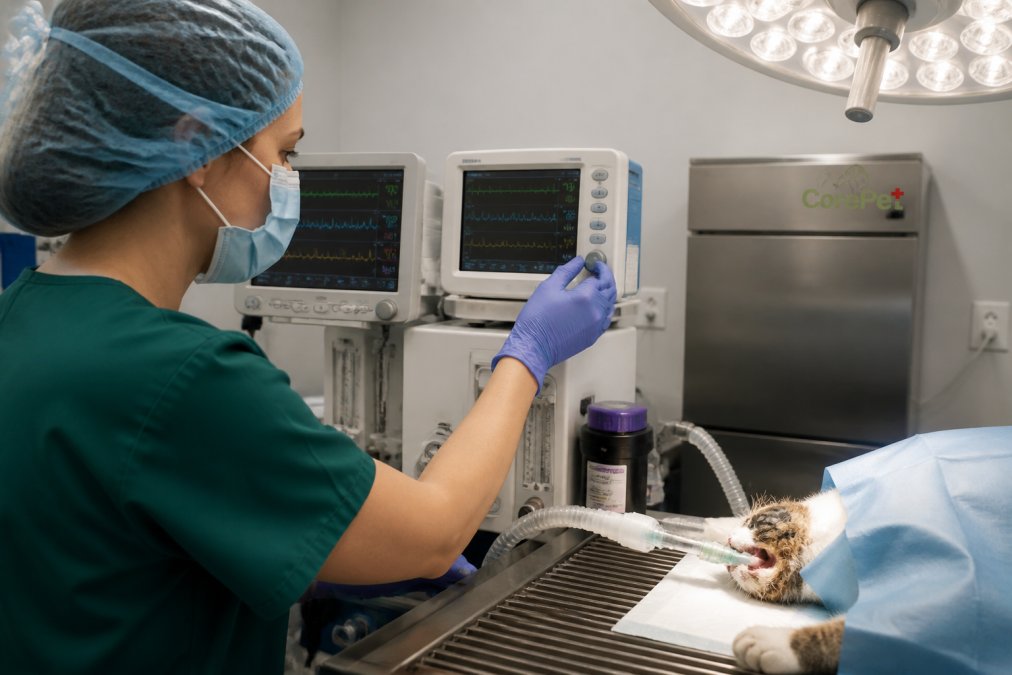
Continuous monitoring during surgery is the cornerstone of pet anesthesia safety. Modern surgical facilities use specialized equipment to track heart rate, blood pressure, oxygen levels, carbon dioxide levels, and body temperature throughout the procedure.
Pulse oximetry measures oxygen saturation in the bloodstream, ensuring the animal’s tissues receive adequate oxygen (peer-reviewed research). Capnography monitors carbon dioxide levels, indicating whether the animal’s breathing, whether natural or assisted through an endotracheal tube, is adequate (peer-reviewed research). Blood pressure monitoring detects drops that could compromise organ perfusion, while electrocardiogram readings track heart rhythm and detect irregularities.
Body temperature is maintained carefully, as hypothermia during surgery can slow recovery and increase complications. The monitoring team adjusts anesthetic depth based on muscle tone, eye position, and reflex responses, ensuring the animal remains at the appropriate level of sedation without overshooting into dangerous territory.
Veterinary Surgical Recovery Tips and Post-Operative Care
Recovery from anesthesia begins the moment surgery ends. The animal is moved to a quiet recovery area where monitoring continues until full consciousness returns and vital signs stabilize.
During initial recovery, body temperature is maintained through blankets or heating devices, as anesthetized animals cannot regulate their own temperature effectively. The endotracheal tube remains in place until the pet regains protective airway reflexes, preventing accidental aspiration. Oxygen supplementation may continue if needed to support breathing during the transition back to consciousness.
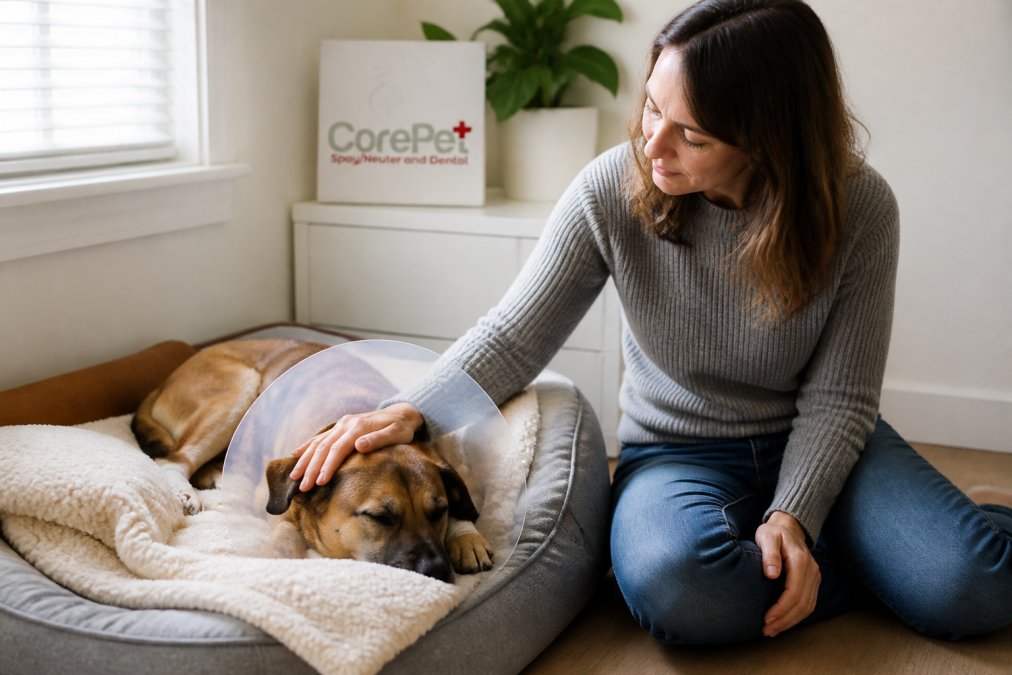
Pain management begins during surgery and continues through recovery. Appropriate analgesia prevents suffering and supports faster healing. Pet owners play a crucial role in home recovery by providing a quiet, comfortable space, limiting activity, monitoring the surgical site for swelling or discharge, and administering prescribed medications exactly as directed. Most pets return to normal activity within 7-10 days, though full tissue healing takes several weeks.
Pet anesthesia safety requires coordination across every stage of the surgical experience. When choosing a surgical center, look for facilities that prioritize comprehensive pre-operative testing, invest in modern monitoring equipment, and maintain attentive recovery protocols. CorePet focuses exclusively on spay, neuter, and dental procedures using advanced surgical techniques and equipment designed to keep your pet safe and comfortable. Book an appointment to discuss your pet’s specific needs and learn how our team ensures safe, individualized care for your dog, cat, or rabbit in New Hampshire.
Frequently Asked Questions
What pre-anesthetic testing is required before my pet's surgery?
Pre-anesthetic blood work requirements include a complete blood chemistry panel and bloodwork to assess organ function, especially in older pets. This testing identifies underlying health conditions that could affect how your pet responds to anesthesia. Your veterinary team will review results before surgery to adjust the anesthetic protocol if needed. Fasting for 6-8 hours before surgery is also standard to reduce aspiration risk during induction.
How does the surgical center monitor my pet during anesthesia?
Pet anesthesia monitoring equipment tracks multiple vital signs continuously: heart rate via electrocardiogram, oxygen levels through pulse oximetry, carbon dioxide via capnography, and blood pressure. A veterinary technician watches these readings throughout the procedure and adjusts anesthetic depth as needed. Continuous monitoring ensures your pet maintains protective airway reflexes and stable vital signs, reducing the risk of serious complications.
What should I do at home after my pet's surgery to support recovery?
Veterinary surgical recovery tips include keeping your pet in a quiet, comfortable space away from other animals and children for the first 24-48 hours. Limit activity and jumping, provide pain medication as prescribed, monitor the surgical site for swelling or discharge, and follow feeding guidelines your veterinary team provides. Watch for signs of complications like excessive bleeding, difficulty breathing, or behavioral changes, and contact your surgical center immediately if concerns arise.
This article was written using GrandRanker