Table of Contents
- Signs of Dog Anxiety at the Vet
- 1. Recognize Anxiety Triggers and Body Language
- 2. Start Desensitization and Counterconditioning Early
- 3. Use Calming Pheromones and Supplements
Last Updated: August 4, 2026
Signs of Dog Anxiety at the Vet
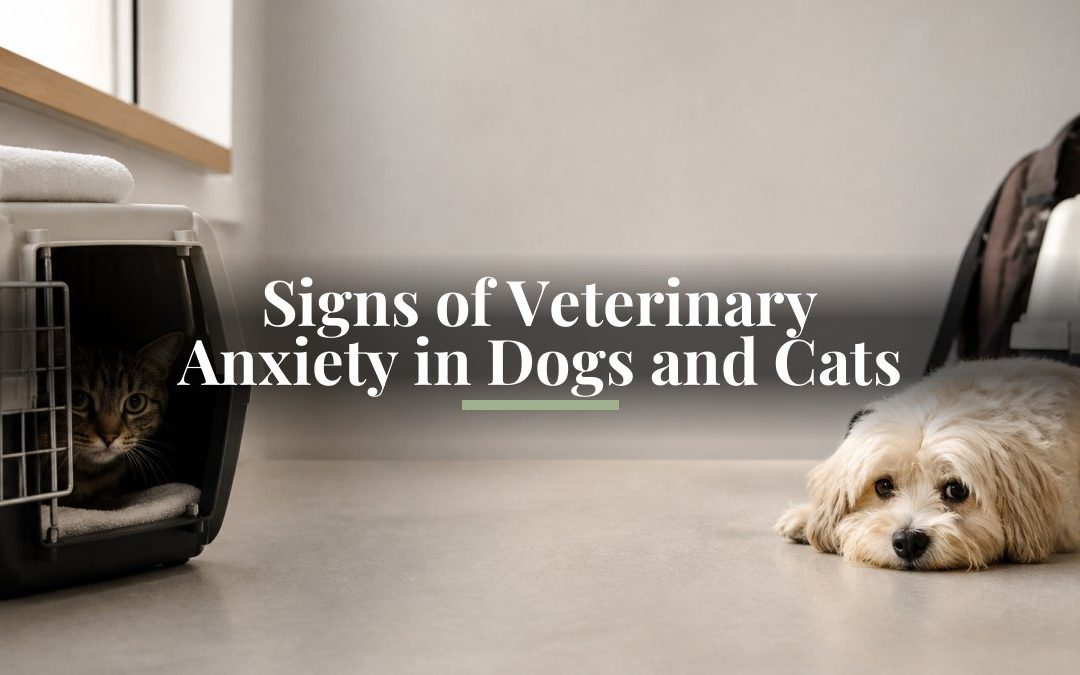
Anxious dogs display clear physical signals: tucked tails, flattened ears, trembling, excessive panting, reluctance to move, drooling, whining, or hiding. Understanding these signs is the first step toward reducing dog anxiety at the vet. Anxiety stems from unfamiliar environments, sounds, smells, strangers, past negative experiences, and insufficient acclimation to veterinary settings.
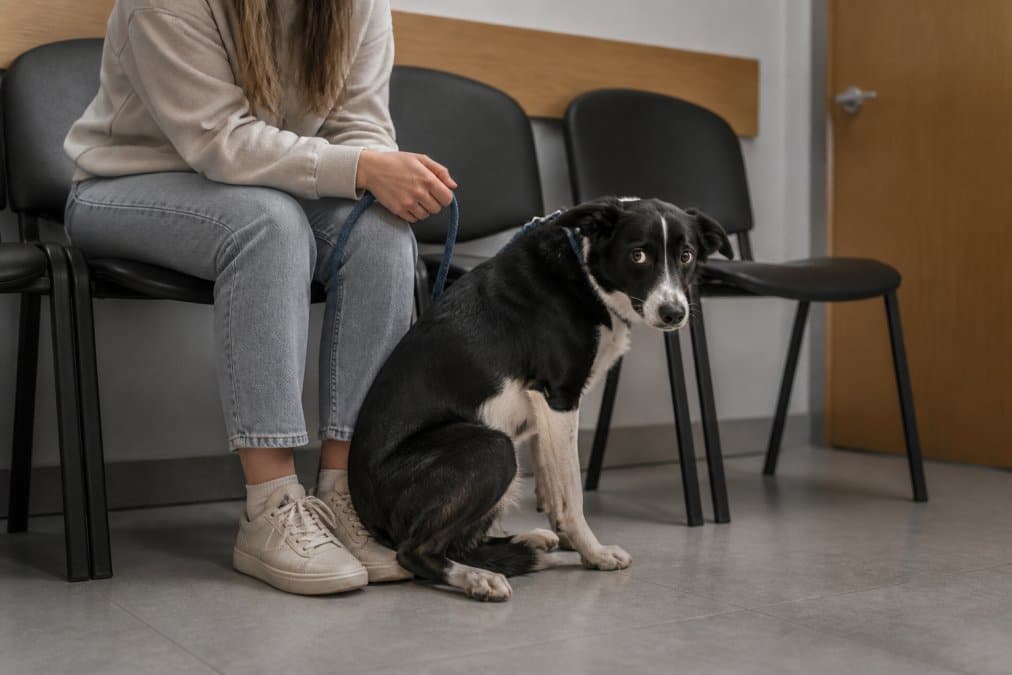
Watch for cortisol-related stress behaviors: excessive licking, yawning, or sudden appetite changes after a vet visit. These signs indicate your dog’s stress response lasted longer than the appointment itself.
1. Recognize Anxiety Triggers and Body Language
Identifying specific triggers is essential before intervention. Common triggers include loud noises, unfamiliar people, physical restraint, car rides, or specific procedures like thermometer placement. Pay attention to when distress begins and which veterinarian or technician triggers worse responses.
Body language tells the complete story: pinned-back ears, tucked tail, dilated pupils, tense posture, pacing, whining, or complete stillness. Recording a short video of your dog’s behavior at home gives your veterinary team valuable context about baseline anxiety levels.
If your dog shows extreme fear, panic, aggression, or shutdown, mention this to your veterinarian before the appointment. This may require sedation or behavioral medication rather than behavioral techniques alone.
2. Start Desensitization and Counterconditioning Early
Desensitization gradually exposes your dog to anxiety triggers in controlled, low-stress situations. Counterconditioning pairs those triggers with positive experiences, rewiring emotional responses. Together, these techniques form the foundation of reducing dog anxiety at the vet.
Begin weeks or months before a scheduled appointment. Start by driving past the clinic without entering, rewarding with treats and praise. Gradually increase exposure: park in the lot, walk near the entrance, sit in the waiting room during quiet times. Pair the clinic with high-value treats and practice mock examinations at home, gently touching ears, paws, and mouth while offering treats. Dogs need consistent, repeated exposure over 4-8 weeks to develop new associations.
3. Use Calming Pheromones and Supplements
Pheromone products release chemical signals that naturally calm dogs. Adaptil Calm Diffuser creates an environment infused with dog appeasing pheromones, while the Adaptil Calming Collar releases pheromones continuously for up to four weeks, ideal for car rides and clinic visits.
Calming supplements offer evidence-based support. Zylkene contains alpha-casozepine, a milk protein derivative that reduces stress without sedation. Composure Pro combines L-theanine, thiamine, and colostrum calming complex. Administer supplements 5-7 days before the appointment to allow compounds to build in your dog’s system.
Start calming supplements 7-10 days before the appointment rather than the morning of the visit. This allows active ingredients to accumulate for maximum effectiveness.
4. Practice Positive Reinforcement and Training Techniques
Positive reinforcement teaches your dog that calm behavior earns rewards, shifting focus from anxiety triggers to treat opportunities. Begin at home by rewarding sitting quietly, maintaining eye contact, or lying calmly on a mat, behaviors valuable during the actual appointment.
At the vet’s office, communicate with your veterinarian about your dog’s anxiety. Ask if they can incorporate treats into the examination. Use a consistent cue word like "settle" or "calm" paired with rewards. The goal is shifting your dog’s mental state from "something bad is about to happen" to "good things happen when I stay calm here."
5. Create a Low-Stress Appointment Environment
Request early morning appointments when clinics are quieter and fewer dogs are present. Speak with your clinic about accommodations: waiting in a separate room, bringing your dog directly to the examination room, or bypassing the waiting area entirely.
Bring familiar items that comfort your dog: a favorite toy, blanket with familiar scents, or worn clothing. Through a Dog’s Ear offers psychoacoustically designed music specifically created to calm dogs. Practice short car rides to the clinic without entering the building to separate car-related anxiety from clinic-related anxiety.
6. Consider Pre-Appointment Medication and Sedation
When behavioral strategies alone aren’t sufficient, pre-appointment medication can make a meaningful difference. Your veterinarian may recommend anti-anxiety medication like acepromazine or trazodone, which reduce anxiety without rendering your dog unconscious. Medication takes the edge off fear response while allowing behavioral strategies to work. Discuss timing with your veterinarian, most medications require administration 30-60 minutes before the appointment.
If your veterinarian recommends pre-appointment medication, use it in combination with desensitization training. The medication reduces anxiety enough to allow your dog to learn from positive experiences, strengthening behavioral improvements over time.
7. Use Physical Comfort Aids and Positive Reinforcement
Physical comfort aids work through gentle pressure and sensory input. ThunderShirt applies constant, gentle pressure to your dog’s torso, activating the parasympathetic nervous system and promoting relaxation. Snuggle Puppy Behavioral Aid Toys provide comfort through simulated heartbeat and warmth. Mutt Muffs noise-reduction earmuffs protect hearing while reducing anxiety triggered by loud clinic sounds.
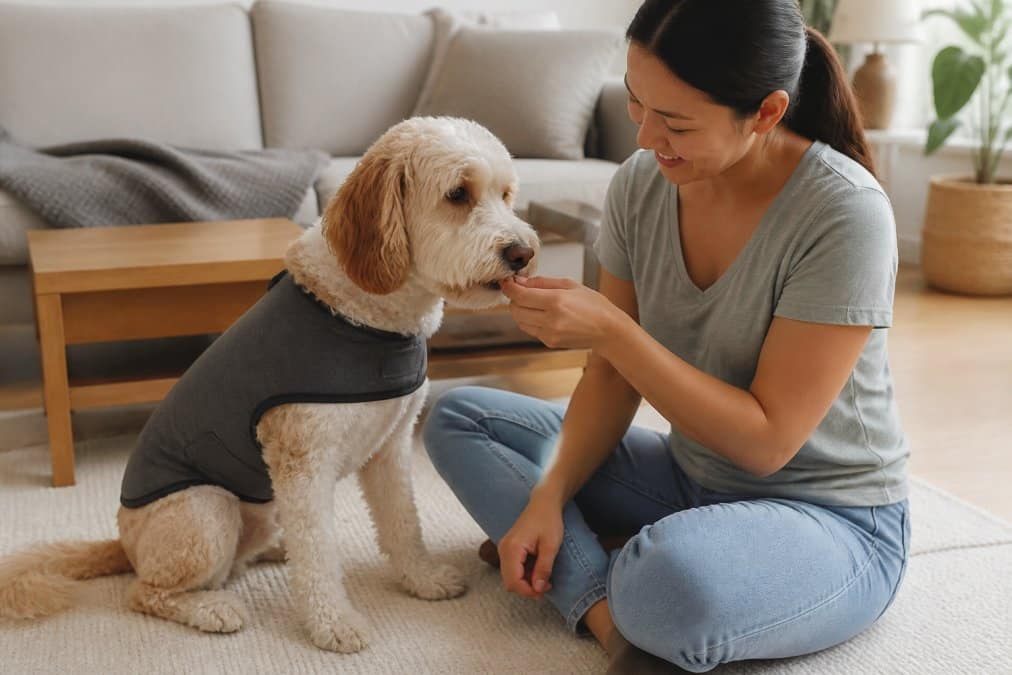
Combine these aids with positive reinforcement by rewarding your dog for wearing them calmly at home before the appointment.
Post-Appointment Decompression and Recovery
Allow your dog to rest in a quiet, comfortable space for several hours post-appointment. Avoid strenuous activity or excessive stimulation. Use this recovery period to reinforce positive associations by offering favorite treats and gentle play.
| Anxiety Reduction Strategy | Best Timing | Expected Timeline | Effectiveness |
|---|---|---|---|
| Desensitization & counterconditioning | 4-8 weeks before appointment | Gradual improvement over weeks | High with consistency |
| Calming supplements (Zylkene, Composure Pro) | 7-10 days before appointment | 5-7 days to reach full effect | Moderate to high |
| Pheromone products (Adaptil collar/diffuser) | Start 2-3 weeks before | Immediate to several days | Moderate |
| Physical comfort aids (ThunderShirt, Snuggle Puppy) | Day of appointment | Immediate calming effect | Moderate to high |
| Pre-appointment medication | 30-60 minutes before | Immediate effect | High |
| Environmental modifications (early appointments, waiting room changes) | Schedule adjustment | Immediate benefit | Moderate |
Frequently Asked Questions
What are the main signs my dog is anxious at the vet?
Common anxiety signals include trembling, excessive panting, drooling, whining, attempting to hide, aggression, or freezing in place. Some dogs show stress-induced behavior like loss of appetite or excessive licking. Watch for body language cues: tucked tail, flattened ears, dilated pupils, and tense muscles. If you notice these signs, mention them to your veterinarian so they can adjust their handling approach and discuss anxiety management options during your appointment.
How can I desensitize my dog to the vet before an appointment?
Start by visiting the clinic without an appointment so your dog becomes familiar with the environment and staff. Reward calm behavior with treats and praise. Practice handling exercises at home, like touching your dog's paws and ears. Take short car rides to build confidence. Gradually increase exposure over weeks or months. This counterconditioning approach helps your dog associate the vet with positive experiences rather than fear. Consistency and patience are key to successful desensitization.
What dog anxiety medication should I give before a vet visit?
Calming supplements like Zylkene (alpha-casozepine) or Composure Pro (containing L-theanine and thiamine) can help reduce situational anxiety without sedation. Pheromone products like Adaptil collars or diffusers release natural calming compounds. For severe anxiety, your veterinarian may prescribe anti-anxiety medication or mild sedation protocols. Always consult your vet before giving any supplement or medication, as timing and dosage matter. Some products work best when given several days before the appointment, while others work within hours.
Are there natural ways to help a dog with vet anxiety?
Yes. Pheromone diffusers and collars mimic natural calming compounds dogs produce naturally. Pressure wraps like ThunderShirt apply gentle, constant pressure similar to swaddling. Calming music designed for dogs can create a soothing auditory environment. Behavioral tools like Snuggle Puppy toys provide comfort through simulated heartbeat and warmth. Positive reinforcement training and creating predictable routines also reduce anxiety naturally. These drug-free options work well for mild to moderate anxiety and can be combined for better results.
How should I prepare my dog for a vet appointment to minimize anxiety?
Start by maintaining a calm demeanor yourself, as dogs pick up on your stress. Exercise your dog before the appointment to reduce excess energy and cortisol levels. Avoid big meals beforehand. Use calming supplements or pheromone products 30 minutes to several hours before (depending on the product). Bring a comfort item like a favorite toy or blanket. Practice positive reinforcement at home by rewarding calm behavior. Arrive early to let your dog acclimate to the waiting room. Communicate with your veterinarian about your dog's anxiety so they can use fear-free handling techniques during the visit.
This article was written using GrandRanker