Table of Contents
- What Is Fear Free Veterinary Care?
- How Fear Free Handling Techniques for Dogs and Cats Improve Outcomes
- Signs of Veterinary Anxiety in Pets and Why They Matter
- How to Prepare Your Pet for a Vet Visit
- Is Fear Free Veterinary Care Worth It? The Real Considerations
- Frequently Asked Questions
Last Updated: August 5, 2026
What Is Fear Free Veterinary Care?
Fear Free veterinary care is a science-based approach to animal medicine that prioritizes reducing fear, anxiety, and stress (FAS) during veterinary visits. Rather than relying on traditional restraint, this approach uses behavioral strategies, environmental modifications, and low-stress techniques to create a calmer experience for pets. When pets arrive feeling safe and calm, they’re more likely to cooperate during exams, require less sedation, and experience better recovery. According to Fear Free Happy Homes educational resources, this method has gained traction across the veterinary profession as practitioners recognize the connection between stress reduction and improved clinical outcomes.
The Fear Free approach encompasses low-stress handling techniques, environmental modifications like separate waiting areas for cats and dogs, calming pheromone diffusers, softer lighting, and pre-visit pharmaceuticals. For pet owners in Bedford, New Hampshire, this approach directly affects whether your dog, cat, or rabbit receives optimal care during routine procedures like Spay Neuter Dental work.
How Fear Free Handling Techniques for Dogs and Cats Improve Outcomes
Fear Free handling techniques rely on recognizing behavioral cues that traditional veterinary medicine might overlook. Low-stress handlers observe body language, ear position, tail tension, pupil dilation, and breathing patterns to gauge anxiety levels and adjust their approach in real time.
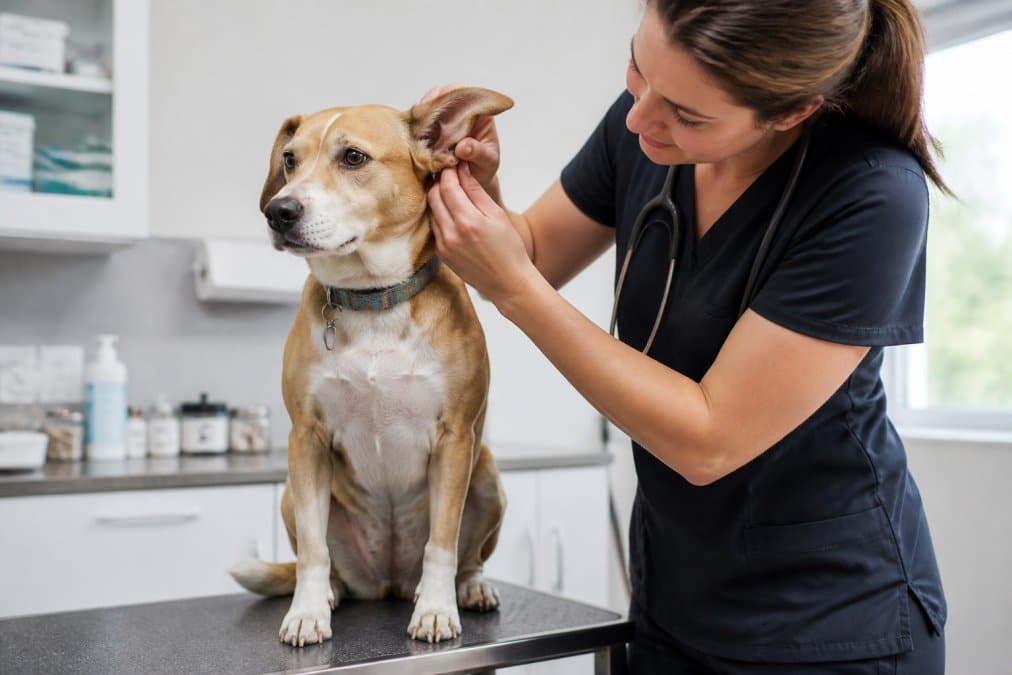
A dog showing early signs of anxiety, ears back, body tension, averted gaze, is repositioned or given a break rather than restrained more firmly. Cats, particularly sensitive to stress, benefit from minimal handling and control over their environment. A Fear Free veterinary professional might allow a cat to remain in its carrier during the initial exam or use a towel-wrap technique that feels less invasive than traditional restraint.
These techniques improve medical outcomes measurably. Pets that arrive calm require less chemical sedation for procedures, reducing anesthetic risk. They cooperate during critical exams, allowing veterinarians to complete thorough assessments without struggling. Post-procedure recovery is smoother when stress hormones haven’t flooded the system. Pets that associate veterinary care with safety rather than fear are more likely to receive regular preventative care.
The real difference in Fear Free handling shows up during multi-step procedures. A rabbit undergoing dental work at a facility using Fear Free techniques experiences less physiological stress, translating to faster recovery and fewer post-operative complications.
Signs of Veterinary Anxiety in Pets and Why They Matter
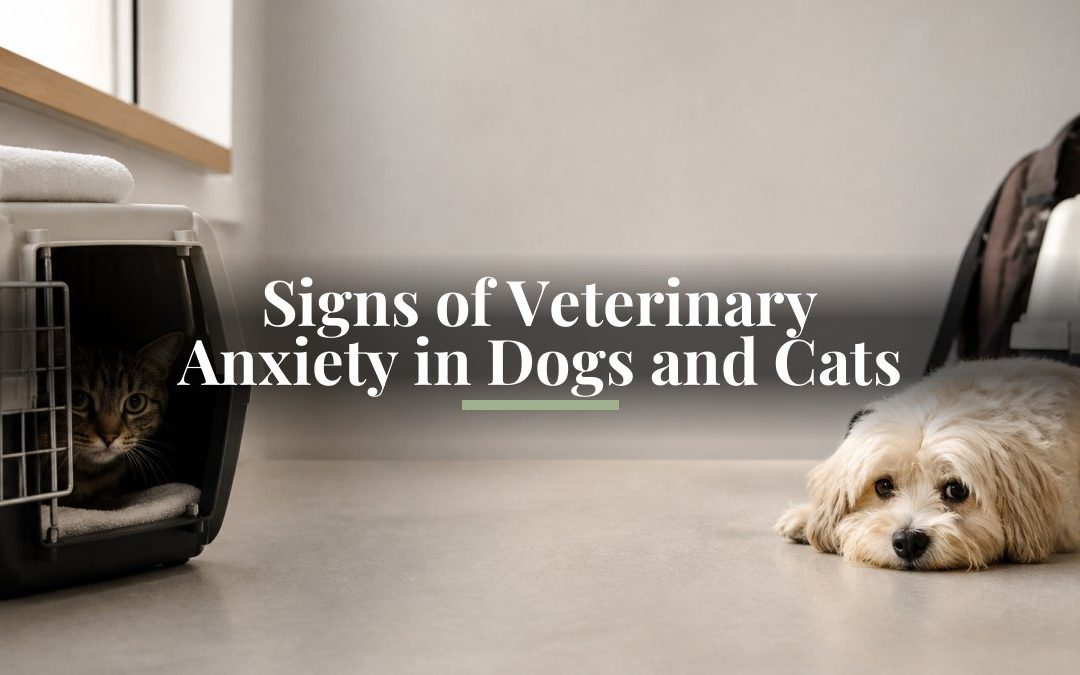
Recognizing signs of veterinary anxiety in pets is foundational to understanding whether Fear Free care makes a difference. Early warning signs include a slightly tucked tail, ears positioned back, increased panting, dilated pupils, whale eye, or stiff body posture. Overt signs include trembling, excessive drooling, attempts to escape, aggression, or freezing.
Stress itself becomes a medical variable. A pet in heightened anxiety experiences elevated cortisol, which suppresses immune function and slows healing. Blood pressure rises, increasing anesthetic risk. Pain perception becomes amplified. For pet owners managing rabbits, which are exceptionally prone to stress-related illness, recognizing anxiety signs determines whether a routine procedure remains routine or becomes a medical crisis.
How to Prepare Your Pet for a Vet Visit
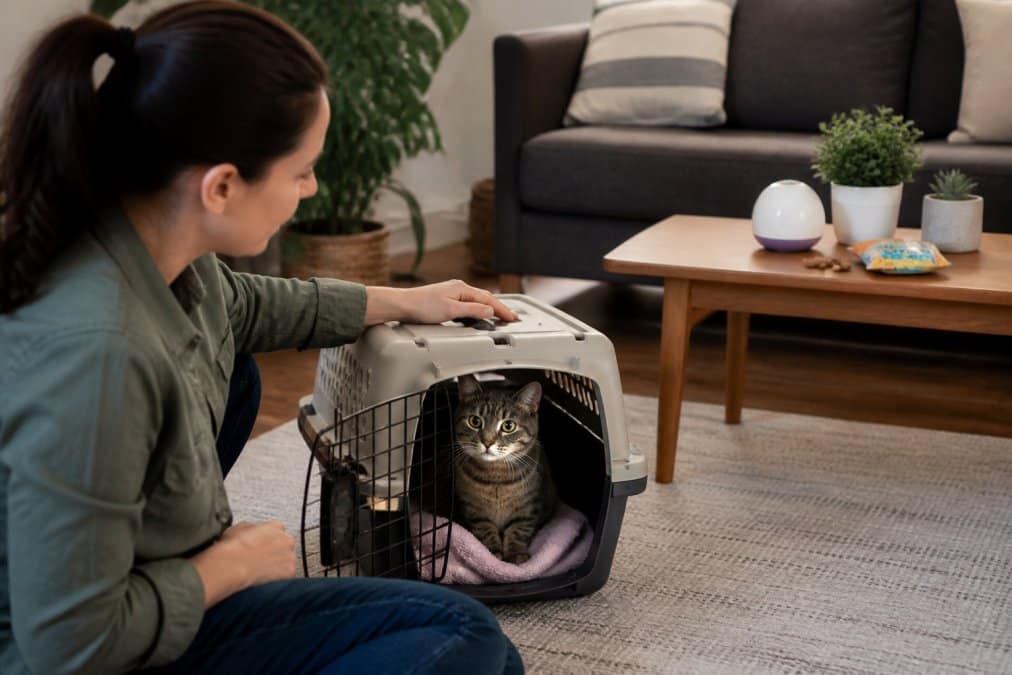
Preparing your pet for a veterinary visit involves planning that begins days before the appointment. Start by desensitizing your pet to the carrier by keeping it accessible and placing treats inside regularly.
(/blog/7-ways-to-reduce-dog-anxiety-at-the-vet/)]
In the days leading up to the appointment, consider using calming aids. Pheromone diffusers like Feliway for cats or Adaptil for dogs create a sense of security in your home and can be used in the car during transport. Behavioral supplements like Zylkene or Composure Pro, given according to package directions, help some pets arrive calmer without sedation.
On the day of the visit, maintain a calm demeanor yourself. Pets pick up on owner anxiety. Keep the environment quiet before leaving, avoid excessive talking or reassurance, and arrive early enough to avoid rushing. When you arrive at the veterinary facility, communicate with staff about your pet’s anxiety level. A Fear Free-focused practice will have protocols for anxious animals: separate waiting areas, minimal handling before the exam, and adjustments to the examination process itself.
The single most impactful preparation step is familiarizing your pet with the carrier and travel experience weeks before the appointment. This reduces baseline anxiety more than any supplement or technique applied day-of.
Is Fear Free Veterinary Care Worth It? The Real Considerations
Whether Fear Free veterinary care is worth it depends on your pet’s anxiety level, the availability of Fear Free practitioners in your area, and how you weigh emotional well-being against procedural efficiency.
For pets with genuine veterinary anxiety, animals that shake, hide, or become aggressive at the clinic, Fear Free care delivers measurable value. These animals require less sedation, experience faster recovery, and are more likely to receive consistent preventative care. The same applies for rabbits and other prey animals, which are physiologically vulnerable to stress-induced illness.
For pets with mild anxiety or no apparent fear response, the value proposition is less clear. If your dog calmly walks into the exam room and cooperates with the veterinarian, the additional training and environmental modifications may provide marginal benefit.
In Bedford, New Hampshire, CorePet, a locally owned surgery center, focuses on individualized, respectful care for dogs, cats, and rabbits during spay, neuter, and dental procedures. Their focus on procedures with the greatest impact on animal health, combined with modern surgical techniques and equipment, reflects the principles underlying Fear Free care.
Don’t assume that a facility without Fear Free certification provides poor care. Some veterinary professionals practice low-stress handling without formal certification. Conversely, certification alone doesn’t guarantee your specific pet will have a positive experience; individual staff skill and your pet’s particular anxiety triggers matter enormously.
For pet owners prioritizing emotional well-being alongside medical outcomes, Fear Free care represents a shift in how veterinary medicine approaches patient care. If your pet shows signs of veterinary anxiety, Fear Free-trained practitioners are worth finding. If your pet is calm and cooperative, focus on finding a facility with strong surgical skills, modern equipment, and a team that treats your animal with respect, which describes CorePet’s approach to spay, neuter, and dental care in Bedford, New Hampshire.
| Consideration | Matters Most For | Worth the Priority |
|---|---|---|
| Fear Free handling techniques | Anxious pets, rabbits, prey animals | High, reduces physiological risk |
| Environmental modifications | Cats, sensitive animals | Moderate, improves experience |
| Pre-visit preparation | All pets | High, owner-controlled variable |
| Staff training in low-stress methods | All pets | High, affects daily care quality |
| Fear Free certification specifically | Severe anxiety cases | Moderate, training matters more than label |
Book an appointment with CorePet to discuss how our surgical approach prioritizes your pet’s comfort and safety during spay, neuter, or dental procedures. Our locally owned practice in Bedford, New Hampshire focuses on delivering exceptional veterinary care using modern techniques and individualized attention for your dog, cat, or rabbit.
Frequently Asked Questions
What does it mean for a vet to be Fear Free certified?
Fear Free certification means a veterinary professional has completed online education modules focused on preventing and reducing fear, anxiety, and stress in pets. Certified practitioners use behavior-led strategies, understand animal body language, and apply low-stress handling techniques during examinations and procedures. The certification demonstrates a commitment to emotional well-being alongside medical care, though it requires ongoing education to maintain.
How does Fear Free veterinary care differ from traditional methods?
Fear Free veterinary care prioritizes the pet’s emotional state and uses science-based approaches to reduce fear and anxiety during visits. Traditional veterinary medicine focuses primarily on medical diagnosis and treatment. Fear Free practices modify the clinical environment, use gentle restraint, apply calming pheromones, and train staff in recognizing subtle stress signals. This approach often leads to better patient cooperation, fewer behavioral complications, and improved long-term health outcomes.
Are Fear Free techniques effective for aggressive dogs?
Fear Free handling can help prevent fear-based aggression and reduce stress in anxious dogs, but it is not a treatment for aggression rooted in dominance, resource guarding, or severe behavioral issues. For truly aggressive dogs, Fear Free techniques work best as part of a comprehensive behavioral plan that may include a veterinary behaviorist consultation. The low-stress environment can make handling safer for both the pet and the veterinary team.
Is Fear Free veterinary care more expensive than standard care?
Fear Free care itself does not inherently cost more; the price depends on the specific procedures and facility. However, some Fear Free certified practices may invest in specialized training, environmental modifications, and additional time per appointment, which can influence overall costs. When comparing facilities in Bedford, New Hampshire, request a detailed quote that includes all fees, anesthesia, bloodwork, medications, and the surgical fee, to make an informed comparison.
How can I find a Fear Free certified veterinarian near Bedford, New Hampshire?
The Fear Free website maintains a directory of certified professionals and practices searchable by location. You can also contact local veterinary hospitals directly and ask if their staff holds Fear Free certification or if they follow Fear Free principles. When evaluating options, ask about their specific low-stress handling protocols, training, and how they manage anxious or fearful pets during procedures.
This article was written using GrandRanker