Table of Contents
- Understanding Affordable Pet Dental Cleaning Cost
- Signs Your Pet Needs a Dental Cleaning
- Pet Dental Insurance Coverage and Savings
- Anesthesia-Free Pet Dental Cleaning Risks
Last Updated: June 30, 2026
Understanding Affordable Pet Dental Cleaning Cost
Dental disease affects more than 80% of pets over age three, yet many owners delay necessary cleanings due to cost concerns. Professional dental cleaning is preventative medicine, tartar buildup and plaque lead to periodontal disease, which can damage organs and shorten lifespan. CorePet helps Bedford, New Hampshire pet owners navigate dental care decisions with transparent pricing and expert guidance.
Anesthesia-free cleanings only remove visible tartar above the gum line. Professional cleanings with anesthesia reach subgingival areas where 80% of dental disease hides. You’re paying for what you can’t see, and that’s where the real health benefit lies.
Affordable pet dental cleaning costs vary based on pet size, disease extent, whether extractions are needed, and geographic location. The most important metric isn’t the lowest price, it’s the quality of care and what’s included in the procedure.
Signs Your Pet Needs a Dental Cleaning
Bad breath that smells like decay (not just "dog breath") is often the first indicator of oral disease. Other signs include visible tartar buildup (brown or yellow crust), red or swollen gums, bleeding when eating, difficulty eating, pawing at the mouth, and loose or missing teeth.
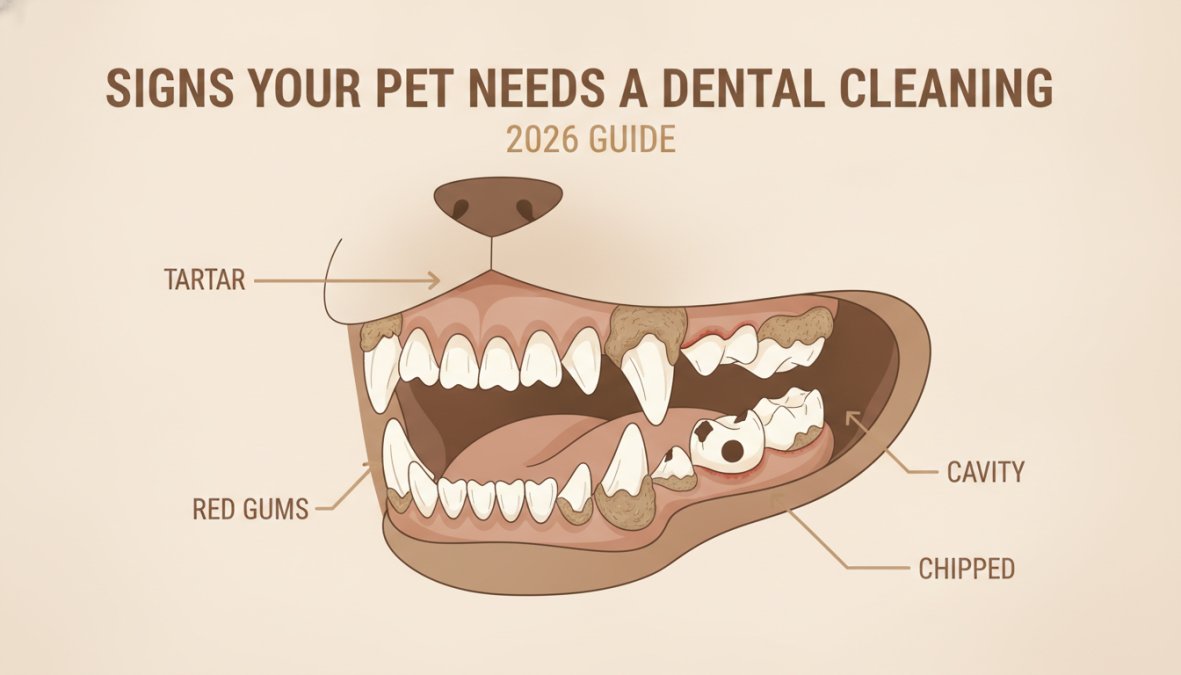
Gingivitis, the early stage of gum disease, appears as redness along the gum line and can be reversed with professional cleaning. Left untreated, it progresses to periodontal disease, where infection spreads below the gum line and damages bone supporting teeth, making extractions necessary and increasing costs significantly.
If your pet has bad breath combined with lethargy or loss of appetite, dental disease may have spread to the bloodstream. Schedule a veterinary exam immediately, delayed treatment can lead to organ damage and emergency extractions costing far more than preventative cleaning.
Pet Dental Insurance Coverage and Savings
Pet insurance coverage for dental work varies dramatically by policy. Most traditional plans don’t cover routine preventative cleanings, but some insurers now offer dental-specific riders that cover a percentage of cleaning costs annually.
| Coverage Type | What’s Included | Annual Limit | Typical Copay |
|---|---|---|---|
| Accident & Illness Only | Emergency extractions only | Varies | 10-20% |
| Dental Rider Add-On | Cleanings + extractions | $300-$500 | 10-20% |
| Comprehensive Wellness | Cleanings + preventative care | $200-$400 | Flat fee |
| No Coverage | Nothing dental-related | $0 | 100% out-of-pocket |
Research shows pets with regular preventative cleanings require 60% fewer extractions over their lifetime. Many veterinary clinics offer in-house wellness plans that charge a flat monthly or annual fee and include routine cleanings at reduced rates, often providing better value than pet insurance. Some clinics also bundle dental care with other preventative services like Spay Neuter Dental packages, which can provide additional savings when multiple procedures are performed together.
If your pet has no insurance coverage, a wellness plan through your veterinary clinic often provides better value than pet insurance for dental care.
Anesthesia-Free Pet Dental Cleaning Risks
Anesthesia-free cleanings only remove tartar visible above the gum line and cannot access subgingival spaces where 80% of periodontal disease exists. They cause stress and pain for your pet and can traumatize gum tissue, causing more damage than benefit.
According to American Veterinary Dental College guidelines, anesthesia-free cleanings cannot meet professional standards because they cannot assess tooth health, clean below the gum line, or perform necessary extractions. Professional cleanings include full-mouth dental x-rays, which reveal hidden problems like tooth resorption and bone loss.
Choosing anesthesia-free cleaning to save money often results in missed disease diagnosis. Six months later, your pet may need emergency extractions costing 3-5 times more than the original professional cleaning.
Modern anesthetic protocols are extremely safe for healthy pets. Pre-anesthetic bloodwork identifies organ dysfunction before sedation. IV fluids maintain hydration and blood pressure. Anesthetic monitoring tracks vital signs continuously.
What’s Included in Professional Pet Dental Cleaning
A complete professional cleaning includes pre-anesthetic bloodwork, IV fluids, full-mouth dental x-rays, scaling and polishing using ultrasonic instruments that remove tartar above and below the gum line, extractions if necessary, and post-operative pain management. The procedure typically takes 30 minutes to two hours depending on disease extent.
When comparing quotes, ensure each includes: pre-anesthetic bloodwork, full-mouth x-rays, scaling and polishing, anesthetic monitoring, pain management, and a detailed written report.
How to Prepare Your Pet for a Dental Procedure
Schedule your pre-operative exam at least one week before the cleaning. Follow fasting instructions carefully, most clinics require nothing to eat after midnight and no water for 2-4 hours before arrival to prevent aspiration during anesthesia.
Bring medical records and inform the veterinarian about all supplements and medications. Ask for post-operative care instructions before the procedure; most pets go home with pain medication and dietary restrictions for 24-48 hours. Soft food is recommended while the mouth heals.
Ask your veterinarian for a detailed written report after the procedure, including which teeth were extracted, findings noted, and home care recommendations.
Cost Breakdown and Hidden Expenses
Understanding components of dental cleaning costs helps you anticipate total expense and avoid surprises. Pre-anesthetic bloodwork, anesthetic monitoring, full-mouth dental x-rays, extractions (simple extractions cost less than surgical extractions), and post-operative medications all add to the bill.
Geographic location affects costs significantly, urban areas typically charge more than rural clinics. Pet size matters because larger mouths require more time and materials. Age and health status influence costs because older pets or those with systemic disease may need more extensive pre-operative testing.
Request an itemized estimate before the procedure. A transparent clinic breaks down each charge separately so you understand exactly what you’re paying for.
Why Anesthesia Is Necessary for Pets
Pets cannot understand or cooperate with dental procedures the way humans can. Anesthesia allows the veterinarian to access all tooth surfaces safely and enables full-mouth dental x-rays, which require proper positioning impossible without sedation. Extractions absolutely require anesthesia, removing a tooth involves bone removal and careful surgical technique that would cause severe pain to a conscious pet.
Modern anesthetic protocols are safe for healthy pets with pre-anesthetic bloodwork, IV fluids, and continuous vital sign monitoring.
Prevention and Long-Term Oral Health
Daily tooth brushing is the single most effective prevention strategy, reducing tartar accumulation by up to 80%. Use pet-specific toothpaste (human toothpaste contains toxic fluoride and xylitol). Introduce brushing gradually, starting by letting your pet lick toothpaste off your finger.
Dental treats, water additives, and prescription dental diets provide supplementary benefits but cannot replace brushing. Regular veterinary exams allow early detection of oral disease. Professional cleanings should be repeated based on individual disease risk, some pets need cleanings every 12 months; others can go 2-3 years between procedures with excellent home care.
Investing in home care (daily brushing) and preventative cleanings every 12-24 months is far cheaper than treating advanced periodontal disease with multiple extractions and emergency care.
Dental disease silently damages your pet’s health. By choosing professional dental cleaning and maintaining home care, you give your pet the best chance at long-term oral health. Schedule your pet’s dental exam today.
Frequently Asked Questions
How much does affordable pet dental cleaning cost on average?
Pet dental cleaning costs vary based on your location, your pet's health status, and the complexity of the procedure. Factors like pre-anesthetic bloodwork, anesthesia, scaling and polishing, and potential extractions all influence the final price. Contact your veterinary clinic in Bedford, New Hampshire for a detailed cost estimate tailored to your pet's specific needs.
What does pet dental insurance coverage typically include?
Many pet insurance plans cover a percentage of dental cleaning costs, though coverage varies by provider and plan type. Some plans cover preventative prophylaxis cleanings, while others focus on treating periodontal disease or extractions. Review your wellness plan details carefully, as annual maximums and deductibles may apply. Check with your insurance provider for specific coverage details.
Are anesthesia-free pet dental cleaning options safe?
Anesthesia-free dental cleaning cannot reach below the gum line where periodontal disease develops, making it ineffective for treating gingivitis and tartar buildup. Professional cleaning requires anesthesia to safely perform subgingival cleaning and dental probing. Board-certified veterinary dentists recommend anesthetized procedures for comprehensive oral health assessment and treatment.
What should I do to prepare my pet for a dental cleaning procedure?
Schedule a pre-anesthetic bloodwork appointment to ensure your pet is healthy enough for anesthesia. Follow your veterinarian's fasting instructions the night before the procedure. Arrange transportation and post-operative monitoring at home. Discuss any medications your pet takes and ask about pain management options. Your veterinary clinic will provide detailed pre-procedure instructions during your consultation.
This article was written using GrandRanker