Table of Contents
-
What Actually Makes the Best Low Cost Surgery Clinic Worth Trusting
-
Affordable Pet Spay and Neuter: Why Timing and Access Change Everything
-
Veterinary Dental Surgery Cost: What Pet Owners Should Expect
-
Post-Operative Care for Pets: What the Best Low Cost Surgery Clinics Provide
Last Updated: June 15, 2026
Finding the best low cost surgery clinic for your pet is one of the most consequential decisions you will make as an owner, and the stakes go far beyond the price on the invoice. This guide from CorePet breaks down what separates a trustworthy affordable clinic from one that cuts corners, covering equipment standards, veterinarian experience, post-operative protocols, and why timing your appointment correctly can change your pet’s health outcome.
What Actually Makes the Best Low Cost Surgery Clinic Worth Trusting
A trustworthy low cost surgery clinic delivers medically sound outcomes at accessible prices without compromising on equipment, expertise, or post-operative support. The price tag tells you almost nothing about whether your pet will be safe on the table.
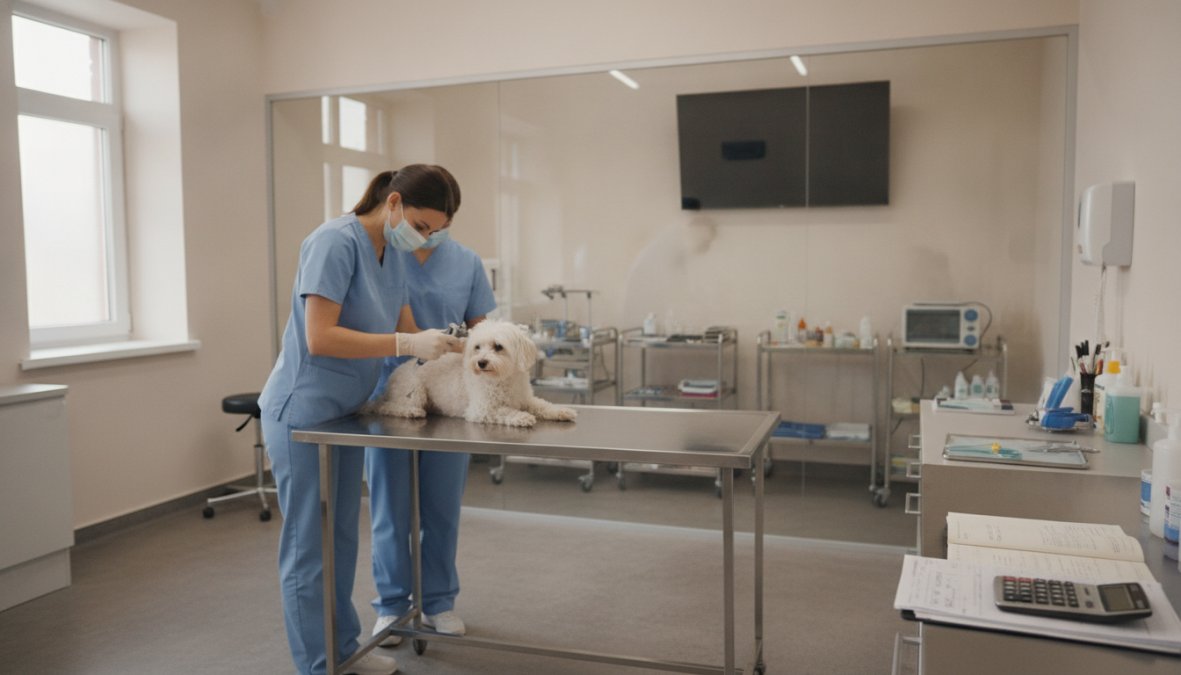
Start with equipment. Ask directly whether the clinic uses modern anesthetic monitoring, pulse oximetry, capnography, and temperature management. Active warming during and after surgery is not a luxury; hypothermia is a genuine post-surgical complication in small animals.
Next, ask about the veterinarian performing the procedure. Experience is not the same as credentials on a wall. A veterinarian who has performed hundreds of spays or dental procedures will handle intraoperative complications far more effectively than one who performs them occasionally.
According to the American Veterinary Medical Association’s guidance on surgical standards, proper perioperative care, including temperature management and anesthetic monitoring, is a baseline expectation for any accredited veterinary surgical facility. The real difference between a clinic worth trusting and one that merely looks affordable comes down to three things: the equipment in the room, the hands performing the surgery, and the systems in place the moment the procedure ends.
Affordable Pet Spay and Neuter: Why Timing and Access Change Everything
Most conversations about affordable pet spay and neuter focus on price. The more important conversation is about timing.
A female dog or cat spayed before her first heat cycle has a significantly lower risk of mammary tumors, according to research published by the American Animal Hospital Association. Delayed access to affordable spay services, because of long waitlists or limited availability, can mean the difference between a preventative procedure and one performed under more complex circumstances.
The same logic applies to dental surgery. Periodontal disease progresses quickly; a tooth that needs cleaning today becomes an extraction in three months. Systemic complications from untreated dental disease, including bacterial spread to the heart, kidneys, and liver, are well documented. This makes near-term scheduling a clinical issue, not just a convenience.
CorePet, based in Bedford, NH, focuses exclusively on Spay, Neuter & Dental procedures. That narrow focus means shorter waitlists, faster scheduling, and veterinarians who perform these specific procedures repeatedly, which has direct health implications when you’re trying to prevent an unwanted pregnancy or stop a dental infection from spreading.
|
Procedure |
Why Timing Matters |
Risk of Delay |
|---|---|---|
|
Spay (pre-heat) |
Reduces mammary tumor risk |
Increased surgical complexity |
|
Neuter |
Prevents behavioral and health issues |
Testicular disease risk increases |
|
Dental cleaning |
Stops periodontal progression |
Systemic infection risk |
Veterinary Dental Surgery Cost: What Pet Owners Should Expect
Veterinary dental surgery cost is widely misunderstood. Many owners are surprised that dental procedures require general anesthesia, meaning pre-surgical bloodwork, monitoring equipment, and recovery time all affect the final cost.
A routine dental cleaning at a full-service hospital carries higher overhead than the same procedure at a clinic focused on dental work specifically. Full-service hospitals distribute costs for emergency equipment and specialist staff across every invoice; a clinic focused on preventive dental procedures doesn’t carry those costs, and the savings pass to the owner.
What you should expect from any affordable dental surgery clinic:
-
Pre-anesthetic bloodwork to confirm your pet is safe for anesthesia
-
Intraoperative monitoring including heart rate, oxygen saturation, and temperature
-
Full oral examination under anesthesia, including dental X-rays when indicated
-
Clear post-operative instructions and a follow-up contact option
According to the American Veterinary Dental College’s resources on periodontal disease in pets, untreated dental disease is among the most common preventable health conditions in companion animals. The cost of prevention is always lower than the cost of treatment after systemic spread. Ask for an itemized surgical estimate before booking, any reputable clinic should provide one without hesitation.
Post-Operative Care for Pets: What the Best Low Cost Surgery Clinics Provide
Post-operative care for pets is where many affordable clinics fall short, and where the best ones distinguish themselves most clearly.

The procedure is only half the equation. What happens in the hours and days after surgery determines how well your pet recovers. Here is what post-operative care should include from any clinic you trust:
-
Warming protocol during recovery: Body temperature should be actively monitored and supported as anesthesia wears off.
-
Clear written discharge instructions: Covering activity restrictions, feeding guidelines, incision monitoring, and signs of complications.
-
Medication guidance: Pain management and antibiotics dispensed with clear dosing instructions and a contact number for questions.
-
Incision care specifics: Owners should know exactly what a healing incision looks like versus one showing infection or dehiscence.
-
Follow-up access: Whether by phone or scheduled check-in, a reputable clinic makes itself available after you leave.
Don’t assume that because a procedure is routine, recovery requires minimal attention. Spay procedures involve abdominal surgery; dental extractions leave open tissue. Ask before you book: “What does your post-operative care process look like?” A vague answer tells you something important about the clinic’s overall approach.
Finding a clinic that balances affordability with genuine medical quality is harder than it should be. CorePet in Bedford, New Hampshire focuses exclusively on spay, neuter, and dental procedures, using modern surgical equipment and experienced veterinarians who perform these procedures regularly. The clinic schedules appointments quickly, which matters clinically for both spay and dental cases where delays carry real health consequences. Book an appointment with CorePet and give your pet the safe, individualized care they deserve.
Frequently Asked Questions
What should I ask a low cost surgery clinic before booking?
Before booking at any low cost surgery clinic, ask about the veterinarian's experience with the specific procedure, what surgical equipment is used, whether a heating system is in place during recovery, and what post-operative care instructions are provided. Also ask how quickly an appointment is available — for spay procedures or dental infections, delays can lead to further health complications. Transparent pricing and a clear surgical estimate are also signs of a trustworthy clinic.
Is low cost pet surgery safe for my animal?
Low cost pet surgery can be very safe when the clinic uses modern equipment, employs experienced veterinarians, and follows proper surgical protocols. The term 'low cost' refers to the pricing model, not the standard of care. Clinics that specialize exclusively in procedures like spay, neuter, and dental surgery often deliver high-quality outcomes because their teams perform these procedures routinely. Always verify that the clinic has up-to-date equipment and a structured post-operative care plan before proceeding.
How does affordable pet spay and neuter differ between low cost and full service clinics?
Affordable pet spay and neuter clinics typically focus exclusively on these procedures, which allows them to streamline costs without sacrificing quality. Full service veterinary hospitals offer a broader range of services and may charge more due to overhead. A specialized low cost clinic can often schedule appointments faster, use highly practiced surgical techniques, and provide transparent pricing. The key is confirming the clinic uses proper anesthesia monitoring, modern instruments, and a recovery area with temperature regulation.
Why is post-operative care important after low cost pet surgery?
Post-operative care for pets is critical regardless of where surgery takes place. After spay, neuter, or dental procedures, pets need a warm, calm recovery environment, pain management, and close monitoring for signs of infection or complications. A quality low cost surgery clinic will provide detailed discharge instructions, recommend follow-up if needed, and use in-clinic heating systems during recovery. Pet owners should watch for excessive swelling, lethargy, or refusal to eat and contact the clinic promptly if any concerns arise.
How quickly can I get a spay or dental surgery appointment at a low cost clinic?
Appointment availability varies by clinic, but it is an important factor to consider — especially for spay procedures where delays can result in unwanted pregnancy, or for dental issues where infection can spread systemically. Clinics that specialize exclusively in spay, neuter, and dental procedures often have more scheduling flexibility than general veterinary hospitals. When evaluating the best low cost surgery clinic for your pet, ask directly about their typical wait times and whether same-day or next-day appointments are available.
This article was written using GrandRanker