Table of Contents
- Is Neutering a Senior Cat Worth It? The Core Question
- Benefits of Neutering an Older Cat
- Risks of Neutering an Older Cat
- Cost of Neutering a Senior Cat and Cost-Benefit Analysis
Is Neutering a Senior Cat Worth It? A 2026 Guide
Last Updated: July 21, 2026
Is neutering a senior cat worth it? This question keeps many pet owners awake at night, and the answer depends on your cat’s individual health, age, and circumstances. Below, we’ll walk you through the medical realities, risks specific to older cats, and the cost-benefit analysis that matters for your situation.
Is Neutering a Senior Cat Worth It? The Core Question
When your cat is already seven, ten, or fifteen years old, neutering serves a different purpose than it does for younger animals. Unneutered senior cats continue to experience hormonal-driven behaviors and carry ongoing health risks that neutering can address. The real question becomes: Does the benefit of preventing future health problems outweigh the surgical and anesthetic risks your older cat now faces?
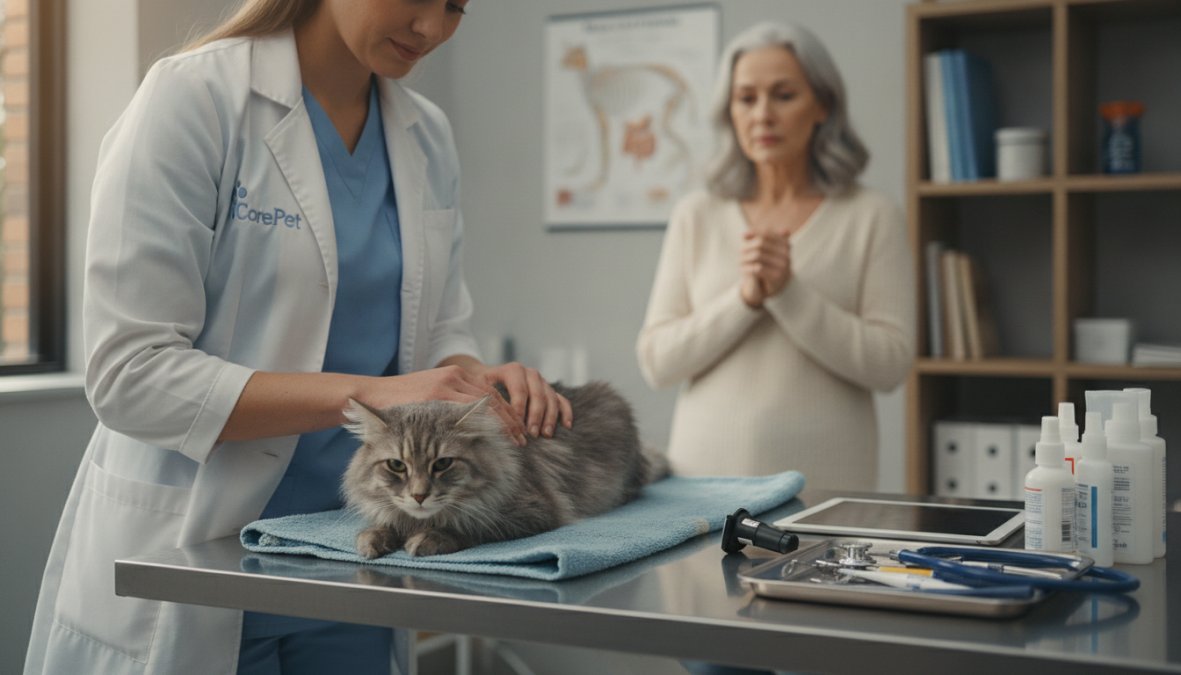
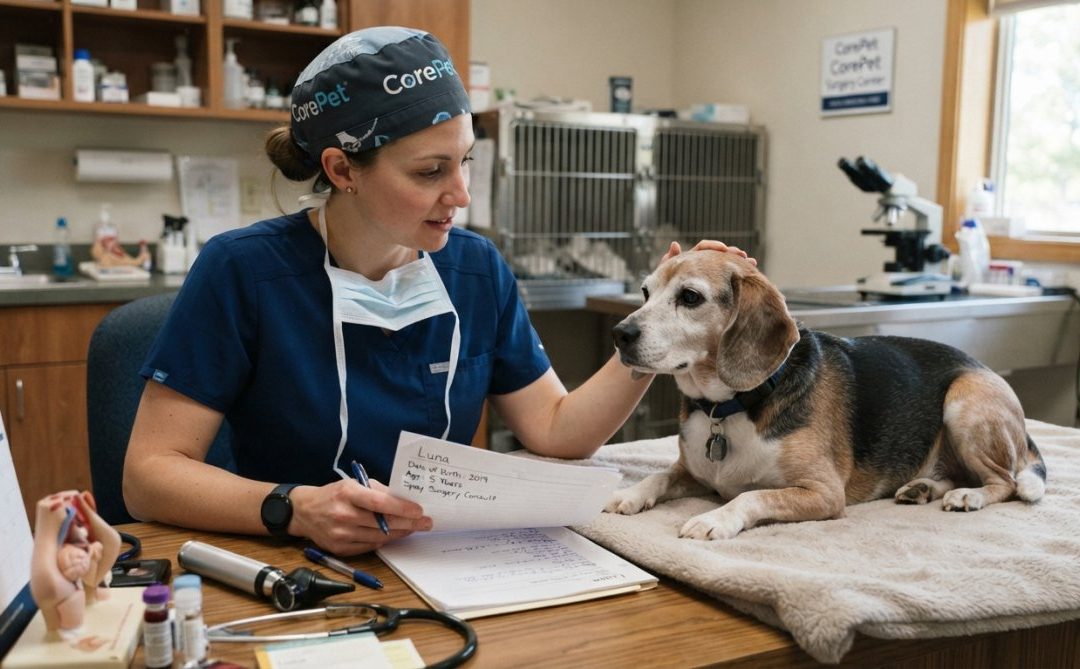
According to American Veterinary Medical Association guidelines on geriatric pet care, older cats require thorough pre-operative blood work and careful anesthetic protocols to minimize complications. For senior cats in good overall health, the answer is often yes, but with important caveats about pre-surgical screening.
Benefits of Neutering an Older Cat
Neutering a senior cat delivers concrete health advantages, even at an advanced age. The most significant benefit is eliminating reproductive cycle-related diseases. Unneutered female cats face substantial risk of pyometra, a life-threatening uterine infection that typically requires emergency surgery and becomes more likely with age.
Male cats that remain unneutered experience ongoing testosterone-driven behaviors: territorial aggression, roaming, and urine spraying. Unneutered males also face increased risk of testicular cancer. For female cats, spaying reduces mammary tumor risk compared to remaining intact, even at advanced ages.
| Benefit | Impact on Senior Cats | Timeline |
|---|---|---|
| Pyometra prevention | Eliminates life-threatening infection risk | Immediate |
| Behavioral improvement | Reduces aggression, spraying, roaming | 2-4 weeks post-surgery |
| Mammary tumor reduction | Lowers cancer risk going forward | Ongoing |
| Testicular cancer prevention (males) | Eliminates cancer source | Immediate |
Proactive neutering before crisis hits gives you control over timing and anesthetic protocols rather than forcing emergency surgery.
Risks of Neutering an Older Cat
Surgical risks increase with age. Older cats face higher anesthetic risk due to declining organ function, particularly in the kidneys and liver. Pre-existing conditions like hyperthyroidism, chronic kidney disease, and heart murmurs complicate anesthesia and recovery. According to veterinary anesthesia research from the Journal of Feline Medicine and Surgery, geriatric cats require modified anesthetic protocols and careful monitoring.
Post-operative recovery takes longer in senior cats. While a young cat might return to normal activity within 7-10 days, older cats often need 2-3 weeks for full recovery. Wound complications and slow healing occur more frequently in older animals with compromised immune function. Pain management becomes critical but also more complex, as senior cats metabolize medications differently.
Never skip pre-surgical blood work for a senior cat. A complete chemistry panel, complete blood count, and thyroid screening can identify hidden health problems that dramatically increase anesthetic risk.
Cost of Neutering a Senior Cat and Cost-Benefit Analysis
Neutering a senior cat typically costs more than neutering a younger animal due to extended pre-operative screening and modified anesthetic protocols. However, the cost-benefit analysis extends beyond the immediate surgical fee. Emergency pyometra surgery in a crisis situation costs significantly more than planned neutering and carries greater risk. Treating mammary tumors through surgery or chemotherapy represents a far larger financial burden than preventative neutering.
When weighing costs, also factor in quality of life improvements. Stopping territorial aggression and urine spraying eliminates potential rehoming pressure or behavior-related stress.
The cost-benefit analysis for neutering a senior cat depends entirely on your cat’s individual health status, age, and the specific risks your veterinarian identifies during pre-operative screening.
What to Expect During the Procedure
Modern neutering procedures for senior cats follow the same basic surgical technique as for younger animals, but with important modifications for safety. Before surgery, your cat receives pre-operative medications adjusted to account for reduced organ function. Anesthesia induction uses safer drug combinations, and your cat’s vital signs are monitored continuously throughout the procedure.
The actual surgical time is brief: typically 10-20 minutes for a routine spay or neuter. The surgeon removes the reproductive organs through small incisions, then closes the wounds with sutures or surgical glue. The entire process, from arrival to discharge, typically takes 3-5 hours, though your cat may stay overnight for extended monitoring if pre-operative blood work revealed concerns.
Recovery Process for Senior Cats
Post-operative recovery in senior cats requires patience and careful management. The first 24-48 hours are critical. Your cat may seem disoriented, nauseous, or drowsy as anesthesia clears the system. Provide a quiet, comfortable space away from other pets and household activity.
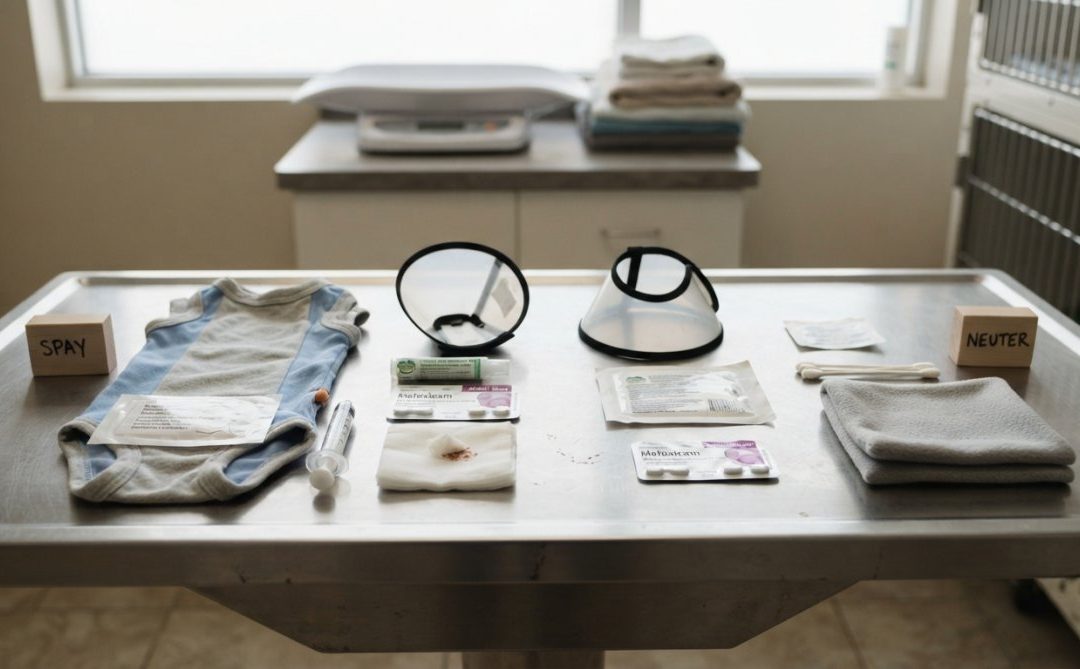
Pain management is non-negotiable. Keep the surgical site clean and dry, checking daily for signs of infection, redness, swelling, or discharge. Activity restriction is critical, restrict access to high surfaces and discourage vigorous play for at least 10-14 days. Most senior cats return to baseline activity within 3-4 weeks, though full tissue healing takes 6-8 weeks.
Is It Safe to Neuter an Older Cat? Pre-Surgical Assessment
Safety for senior cat neutering hinges entirely on thorough pre-operative evaluation. A complete pre-surgical blood panel, chemistry profile, complete blood count, and thyroid screening reveal hidden health problems that affect anesthetic risk. Kidney disease, thyroid disease, anemia, and liver disease each require modification to the anesthetic protocol or may make surgery inadvisable.
Your veterinarian also performs a thorough physical examination, listening for heart murmurs and assessing overall health. Neutering a senior cat is safe for cats in good overall health with normal pre-operative blood work. For cats with significant health problems, the risk may outweigh the benefit. Services like Spay Neuter Dental can help you understand the full scope of pre-operative care and what to expect during the procedure.
Senior cats in good overall health with normal pre-operative blood work and no significant organ disease are excellent candidates for neutering.
Preventing Reproductive Cancers Through Neutering
Reproductive cancer prevention represents one of the strongest medical arguments for neutering senior cats, particularly females. Mammary tumors, the most common cancer in intact female cats, are almost entirely preventable through spaying. Even for older cats, neutering still reduces mammary cancer risk compared to remaining intact. Testicular cancer in intact males is completely eliminated by castration.
Reducing Roaming and Fighting Behaviors
Unneutered senior cats continue to exhibit hormonal-driven behaviors that create real problems. Territorial aggression intensifies with age. Intact males roam extensively, increasing injury risk. Urine spraying often worsens over time. Neutering addresses these behaviors through hormonal changes. Testosterone-driven aggression typically improves within 2-4 weeks post-surgery, and urine spraying often stops completely.
Making Your Decision: Key Considerations
The decision to neuter your senior cat requires weighing multiple factors specific to your situation. Start with honest assessment of your cat’s current health and any diagnosed health problems. Consider the behavioral and medical problems you’re currently managing, is your cat spraying, showing aggression, or at risk for roaming?
Evaluate the anesthetic risk specific to your cat through pre-operative blood work. A cat with normal kidney values, normal thyroid function, and normal blood counts faces dramatically lower anesthetic risk than a cat with kidney disease or anemia. Consider your cat’s remaining lifespan, a 15-year-old with health problems may have only 1-2 years remaining, while a 10-year-old healthy cat may have 5-10 years ahead.
Finally, discuss your specific situation with your veterinarian. Your veterinarian’s recommendation, based on your cat’s individual circumstances, should carry significant weight in your decision.
Deciding whether to neuter your senior cat puts you in an uncomfortable position: balancing real surgical risks against real health benefits. When you’re ready to move forward with pre-operative blood work and careful surgical planning, make an informed decision backed by your cat’s individual health profile.
Frequently Asked Questions
What are the main benefits of neutering an older male cat?
Neutering an older cat reduces risks of testicular cancer and prevents behavioral issues like territorial aggression and roaming. Even senior cats can benefit from hormonal changes that improve temperament and reduce spraying. The procedure also contributes to overall feline wellness by eliminating reproductive health complications. Your veterinarian can assess whether these benefits outweigh surgical risks for your specific cat.
What are the risks of neutering a senior cat?
Senior cats face increased surgical risks including anesthesia complications, slower post-operative recovery, and potential mobility issues. Pre-existing conditions may complicate healing. However, pre-surgical blood work and a thorough veterinary consultation can identify these risks beforehand. Many older cats recover well when proper pain management and senior-specific post-operative care are provided.
How much does recovery time take after neutering a senior cat?
Recovery time for senior cats typically extends 10-14 days, longer than younger cats. During this period, restrict activity, monitor the surgical site for infection, and follow wound care instructions carefully. Senior cats may need additional support for mobility and may require pain medication longer than younger pets. Your veterinarian will provide specific post-operative guidelines tailored to your cat's health status.
Is it safe to neuter an older cat with pre-existing health conditions?
Safety depends on the specific condition and severity. Pre-surgical blood work is essential to assess kidney function, liver health, and anesthesia risk. Many senior cats with well-managed conditions can undergo neutering safely with appropriate sedation protocols and monitoring. A veterinary consultation is crucial, your vet can evaluate your cat's body condition score and overall health to determine if the procedure is appropriate for your individual pet.
This article was written using GrandRanker