Table of Contents
- Why Veterinary Partnerships Matter for Animal Rescue
- How to Approach a Vet for Rescue Work
- Creating a Veterinary Partnership Proposal Template
- Accessing Animal Rescue Veterinary Discount Programs
Last Updated: August 15, 2026
Why Veterinary Partnerships Matter for Animal Rescue
Animal rescues operate on razor-thin budgets and limited resources. Without reliable access to affordable veterinary care, rescue organizations struggle to provide essential medical services. Partnerships with local veterinary clinics become transformational, creating a sustainable system where rescue animals receive consistent, quality care.
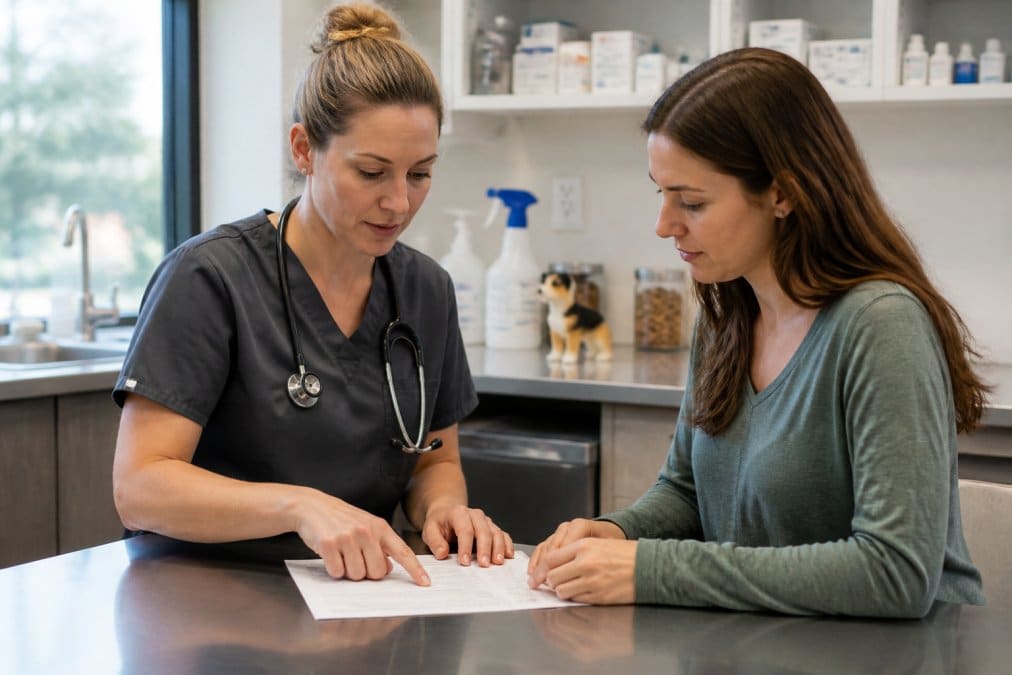
When rescue organizations approach local clinics with a structured proposal, they demonstrate professionalism and clear expectations. The partnership model benefits both sides: clinics gain steady patient volume and community goodwill, while rescues access the medical expertise and equipment they need. Veterinary clinics that commit to rescue work develop focused knowledge about handling frightened or injured animals and build trusted relationships with rescue coordinators.
Below, we’ll walk you through how to approach a vet for rescue work, build a partnership proposal that gets results, and access veterinary discount programs designed for animal rescue organizations.
How to Approach a Vet for Rescue Work
Start with research. Identify clinics in Bedford, New Hampshire that have shown interest in community animal welfare. Look for clinics that mention rescue work on their website, sponsor local adoption events, or have partnerships with other nonprofits. Call and ask direct questions: Do they work with rescues? What’s their experience with the types of animals you’re rescuing?
When you’re ready to make contact, keep it brief and professional. Introduce yourself, mention the specific animals you’re helping, and ask if they’d be open to discussing partnership possibilities. Many veterinarians are genuinely interested in rescue work but need the right approach to make it work within their practice.

Schedule an in-person meeting if possible. Come prepared with basic information: how many animals you rescue annually, what medical services you need most, and your timeline. Be honest about your budget constraints. Veterinarians respect straightforward conversations more than vague requests.
Treat this as a mutually beneficial arrangement, not a sales pitch. Ask questions about their practice, capacity, and what would make a partnership work for them. Listen more than you talk, the clinic’s concerns matter as much as your needs.
Creating a Veterinary Partnership Proposal Template
A formal proposal transforms a casual conversation into a binding agreement and clarifies expectations on both sides.
Your veterinary partnership proposal template should include these core sections:
Partnership Overview
State the purpose clearly: "This partnership aims to provide affordable, quality veterinary care to rescue animals in our community while supporting [Clinic Name]’s mission to serve animal welfare."
Scope of Services
List the specific services you need: Spay Neuter Dental, vaccination clinics, emergency medical consultation, or triage protocols. Instead of "general medical care," write "spay/neuter surgeries for dogs and cats, rabies and DHPP vaccinations, and basic wound care."
Volume and Frequency
Estimate how many animals you’ll bring annually and the expected frequency. If you rescue 50 dogs per year, you might need 40 spay/neuter surgeries, 50 vaccination appointments, and occasional emergency consultations.
Financial Terms
Specify whether the clinic will provide pro-bono services, discounted rates, or a combination. If discounted, what percentage? Include language about payment terms: per service, monthly, or annually?
Medical Records and Patient Intake
Establish how medical records will be managed and how the clinic will communicate with you about animal status, surgical outcomes, or complications. Define the standard of care and medical protocols.
Liability and Insurance
Address liability waivers and insurance requirements. Clarify who’s responsible if an animal has a negative reaction to anesthesia or develops an infection post-surgery. Include language about the clinic’s standard of care and emergency protocols.
Communication and Escalation
Create a clear process for handling problems. Name specific people on both sides who serve as primary contacts.
Term and Renewal
Specify how long the partnership lasts (typically 12 months) and when it renews. Include language about how either party can modify terms or end the partnership with appropriate notice.
A strong service agreement prevents the most common sources of conflict: unclear expectations about costs, misaligned medical protocols, and poor communication when problems arise.
Accessing Animal Rescue Veterinary Discount Programs
Many veterinary clinics and networks offer formal discount programs for animal rescue organizations. Research local and regional programs first. Some state veterinary associations maintain lists of clinics offering rescue discounts. The American Animal Hospital Association provides resources for finding partner clinics. Additionally, the Maddie’s Fund offers guidance on accessing veterinary partnerships and discount programs.
When you contact clinics about discount programs, ask these specific questions:
- Do you have an established discount program for rescue organizations?
- If not, are you open to creating a custom discount arrangement?
- What documentation do you need to verify our nonprofit status?
- What discount percentage applies to different services?
- Are there volume discounts if we bring multiple animals?
Have your nonprofit registration available and proof of your 501(c)(3) status if you have it. Clinics need to verify that you’re a legitimate organization before committing to discounts.
Community outreach and pro-bono services often go hand in hand. A clinic might offer a monthly pro-bono spay/neuter clinic specifically for rescue animals, generating goodwill while providing rescues with predictable access to essential services. Building relationships with multiple clinics diversifies your medical resources and strengthens your rescue’s sustainability.
A strong partnership with local veterinary clinics transforms a rescue organization’s capacity to help animals. When you approach a clinic with a clear proposal, realistic expectations, and genuine appreciation for their expertise, you’re building a relationship that benefits both sides. Start with research, move to a professional conversation, formalize your agreement with a clear proposal, and explore available discount programs. The animals in your care depend on it.
Frequently Asked Questions
How do animal rescues find veterinary partners?
Start by researching local clinics with experience in animal welfare and community outreach. Check their websites for mission statements mentioning rescue support, ask other rescue organizations for referrals, and look for clinics offering pro-bono services or reduced rates. Personal introductions through community networks often yield the strongest initial connections. Focus on clinics whose values align with your rescue's commitment to animal welfare.
What should be included in a veterinary partnership proposal template?
A strong proposal covers scope of services (spay, neuter, vaccination clinics, medical consultation), expected volume and timeline, liability waivers and standard of care expectations, medical record sharing protocols, and financial arrangements including any discount structures. Include details on adoption events, cross-promotion opportunities, and how referral programs will work. Clearly define roles for veterinary staff, technicians, and rescue volunteers to avoid confusion and ensure operational efficiency.
How can rescues access animal rescue veterinary discount programs?
Contact clinics directly to discuss discount programs for rescue animals. Many veterinarians offer reduced rates for non-profit rescues as part of their community impact goals. Present your rescue's 501(c)(3) status and explain your animal welfare mission. Some clinics structure discounts per procedure (spay, neuter, vaccination), while others offer tiered pricing based on volume. Request a formal service agreement outlining the discount structure, billing terms, and any conditions for maintaining the partnership.
What if something goes wrong during a rescue animal's procedure, do veterinary clinics have emergency protocols?
Reputable clinics maintain emergency protocols and triage procedures for all patients, including rescue animals. Before partnering, ask about their emergency response plan, staff qualifications, and whether they have emergency equipment on-site. Confirm they follow standard of care guidelines and have liability coverage. Request details on post-operative monitoring, pain management, and aftercare instructions. This conversation builds confidence in the clinic's commitment to animal welfare and professional standards.
This article was written using GrandRanker