Table of Contents
- Why Pet Dental Cleaning Matters More Than You Think
- Signs of Dental Disease in Dogs and Cats
- How to Choose a Pet Dental Cleaning Service
- Frequently Asked Questions
Last Updated: September 8, 2026
Pet dental cleaning is a medical procedure, not a cosmetic one. Poor oral health can affect the heart, kidneys, and overall wellbeing, yet it remains overlooked. At CorePet, a locally owned surgery center serving Bedford, New Hampshire, the focus is on safe, professional dental procedures for dogs, cats, and rabbits.
Why Pet Dental Cleaning Matters More Than You Think
Dental disease is the most common health problem in adult pets. When plaque hardens into tartar, it spreads below the gumline, causing periodontal disease and tooth loss. Bacteria can enter the bloodstream and strain the heart, liver, and kidneys.
Routine professional cleaning prevents this progression. A proper dental prophylaxis includes an oral examination, ultrasonic scaling above and below the gumline, polishing, and a dental chart. Most damage happens beneath the visible tooth surface.
Skipping dental cleanings to save money often leads to tooth extractions later. Advanced periodontal disease is far more painful and expensive to treat than routine prevention.
Signs of Dental Disease in Dogs and Cats
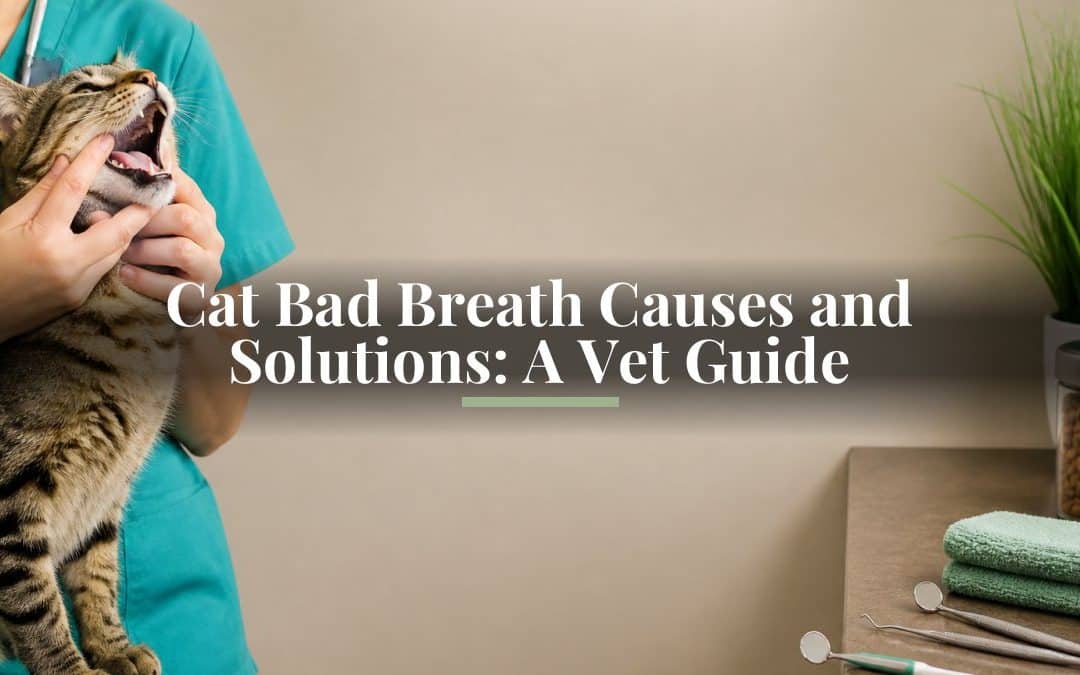
Pets hide pain, so watch for halitosis, tartar buildup, red or bleeding gums, difficulty chewing, pawing at the mouth, and changes in appetite.

Gingivitis is the earliest stage and is reversible with professional cleaning and improved home care. Left untreated, it advances to periodontitis, where the structures supporting the teeth deteriorate. According to the American Veterinary Medical Association’s overview of pet dental health, periodontal disease is the most common dental condition in dogs and cats, and routine oral examinations are essential for catching it early.
How to Choose a Pet Dental Cleaning Service
Not all dental cleanings are equal. Anesthesia-free cleanings only remove visible tartar above the gumline and cannot address subgingival buildup. Anesthesia-based cleaning is the standard of care, allowing complete scaling, dental radiographs, and a full oral assessment while a technician monitors vital signs.
| Factor | Anesthesia-Based Cleaning | Anesthesia-Free Cleaning |
|---|---|---|
| Plaque removal | Above and below gumline | Surface only |
| Dental radiographs | Possible | Not possible |
| Standard of care | Veterinary standard | Not recommended by veterinarians |
Ask any provider whether they perform dental radiographs during cleanings. Without imaging, problems below the gumline, such as abscesses or resorptive lesions, go undetected.
When evaluating a pet dental cleaning service in New Hampshire, look for anesthetic monitoring, modern equipment, and transparent pricing. A lower quote may only cover surface scaling, while a complete procedure bundles anesthesia, monitoring, radiographs, and pain management.
General veterinary practices often have long waitlists. A dedicated surgery center focusing on spay, neuter, and dental procedures can provide more consistent scheduling. CorePet in Bedford, New Hampshire was built around this model.
The American Veterinary Dental College’s explanation of professional dental cleaning confirms that anesthesia is required to perform a complete cleaning and examination safely. For owners comparing pet dental cleaning cost in New Hampshire, the priority should be the quality and completeness of the procedure, not the lowest sticker price.
The best pet dental cleaning service is one that uses anesthesia, performs dental radiographs, and provides transparent, itemized pricing. Anything less leaves disease untreated beneath the gumline.
Home care between cleanings matters. Brushing your dog’s teeth several times per week with pet-safe toothpaste is the most effective way to slow tartar buildup. Dental chews and water additives help but do not replace brushing or professional care.
When booking a pet dental cleaning in New Hampshire, request a detailed quote explaining every component. A reputable provider will welcome the question and walk you through their safety protocols.
Frequently Asked Questions
How often should my pet have a professional dental cleaning?
Most veterinarians recommend a professional pet dental cleaning once a year, starting around age two or three. This timeline varies based on breed, age, and overall health. Small breeds often need more frequent cleanings due to crowded teeth. Your vet will assess your pet’s risk during an oral examination. Annual cleanings prevent periodontal disease from progressing to tooth loss or systemic health issues. If you notice signs like persistent bad breath or tartar buildup, schedule an exam sooner rather than later.
Are anesthesia-free dental cleanings safe for pets?
Anesthesia-free cleanings are not considered a substitute for professional veterinary dentistry. While they avoid anesthetic risk, they only remove visible tartar above the gumline. They do not address subgingival cleaning or periodontal pockets below the gum, where most disease develops. This can give a false sense of health. Anesthesia-based cleaning allows for a complete oral health assessment, dental radiographs, and safe, thorough scaling and polishing. Your veterinarian can help you weigh the risks and benefits based on your pet’s specific health profile.
Does pet insurance cover dental cleanings in New Hampshire?
Pet insurance coverage for dental cleanings in New Hampshire depends on your specific policy. Most standard plans cover accident and illness care, which may include tooth extractions or treatment for periodontal disease. Routine prophylactic cleanings, like annual dental prophylaxis, are often considered preventative care and may require an add-on wellness rider. Review your policy details carefully. Check if dental radiographs and anesthesia monitoring are included. Contact your provider directly to confirm what your plan covers before scheduling a cleaning.