Table of Contents
- Signs of Infection After Neutering: What to Watch For
- Neuter Incision Recovery Timeline: Normal vs. Abnormal
- Preventing Licking After Neuter Surgery
- Frequently Asked Questions
Last Updated: September 12, 2026
Signs of Infection After Neutering: What to Watch For
Spotting warning signs early is key to handling neutering complications. CorePet, a New Hampshire surgery center focusing on spay and neuter procedures, is familiar with these cases. Most incisions heal fine, but infection is a common concern.
Signs of infection after neutering include redness spreading past the incision, increasing swelling, warm skin, and cloudy or foul-smelling discharge. Clear or pink fluid in the first day or two is normal.

Watch for redness extending over a centimeter past the incision, pus, foul odor, hot swelling, lethargy, or appetite loss over 24 hours.
A seroma is a pocket of clear fluid under the skin that looks like a soft swelling but is not infected. A hematoma is a collection of blood. Both can resolve on their own, but a veterinarian should evaluate any new swelling.
Do not apply human antibiotic ointments or hydrogen peroxide to the incision. These can delay healing, irritate tissue, and mask signs of a deeper infection that needs veterinary intervention.
Neuter Incision Recovery Timeline: Normal vs. Abnormal
The neuter incision recovery timeline typically follows a predictable 10- to 14-day pattern.
Anesthesia recovery usually takes 12 to 24 hours, with grogginess, wobbling, and reduced appetite expected. By day two, most pets eat and move normally.
| Timeframe | Normal Findings | Abnormal Findings |
|---|---|---|
| Days 1-2 | Mild swelling, pink incision edges, sleepiness | Heavy bleeding, vomiting, unresponsive |
| Days 3-5 | Incision edges closing, reduced swelling | Increasing redness, discharge, foul odor |
| Days 6-10 | Scabbing, minimal tenderness | Wound dehiscence, opening at the site |
Wound dehiscence means the incision has opened and requires same-day veterinary care. Small openings may heal conservatively, but larger ones often need sutures or staples replaced.
Activity restriction matters throughout this window. Running, jumping, and stairs can pull sutures and cause tissue trauma. Crate rest or confinement to a small room is standard for the first 7 to 10 days.
Take a photo of the incision each morning. Subtle changes are easier to spot when compared side by side, and you will have a clear record to show your veterinarian if something looks wrong.
Preventing Licking After Neuter Surgery
Preventing licking after neuter surgery is one of the most important steps an owner controls. Licking introduces bacteria, breaks down healing tissue, and is the leading cause of neutering complications in healthy pets.
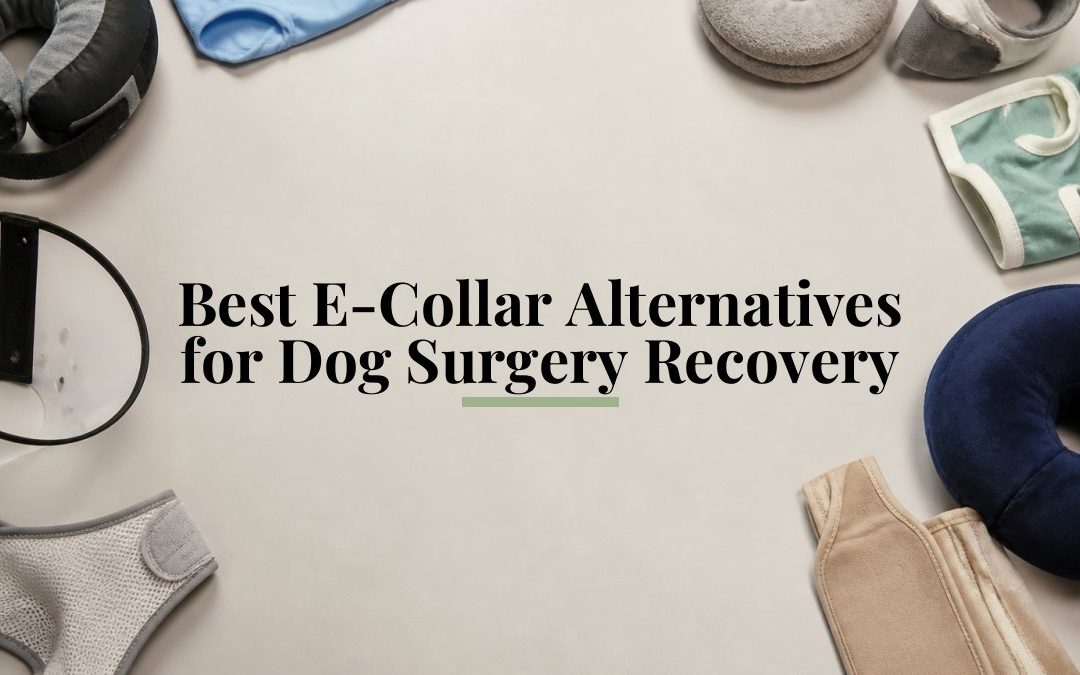
An Elizabethan collar (often called an e-collar or cone) remains the most reliable barrier. Soft collars and surgical suits work for some pets, but determined lickers often defeat them, and removing the cone too early is a common mistake.
Alternatives include inflatable collar rings, surgical recovery suits for cats and small dogs, and bitter sprays or gels as a backup, not a primary barrier.
Monitor vital signs at home: gum color (mucous membranes should be pink), energy, and appetite. A capillary refill time over two seconds suggests poor circulation and warrants a vet call.
For pets in New Hampshire, CorePet offers spay and neuter services with clear pre- and post-surgical instructions. Their team focuses on these procedures daily.
The single most effective thing an owner can do to prevent complications is keep the e-collar on for the full recovery period, even if the pet seems fine. Most infections trace back to a few minutes of unsupervised licking.
Frequently Asked Questions
What are the common complications that can occur after neutering a dog?
Common neutering complications include incision site swelling, seroma or hematoma formation, infection, and wound dehiscence. Some pets experience lethargy, anorexia, or vomiting from anesthesia recovery. Less common issues include excessive bleeding or reactions to sutures. Most complications are manageable when caught early. Monitor your pet daily for changes in behavior, appetite, and the surgical site. Contact your veterinarian if you notice purulent discharge, foul odor, or your pet seems painful despite medication.
How long does it take for a pet to recover from neutering?
Most pets recover from neutering within 10 to 14 days. The first 24 to 48 hours involve anesthesia recovery, when drowsiness and mild lethargy are normal. By day three, many pets feel better and may try to resume normal activity, but activity restriction remains critical. The incision typically closes by day 10 to 14. Your veterinarian will schedule a follow-up to check the surgical site and remove sutures or staples if needed. Full healing may take slightly longer for older pets or those with underlying conditions.
When should I be concerned about my pet’s neuter incision?
Contact your veterinarian if you notice increased redness, swelling, or warmth at the incision site that worsens after the first 48 hours. Watch for purulent discharge, a foul odor, or separation of the wound edges, which may indicate wound dehiscence. Also seek care if your pet shows signs of infection after neutering such as fever, persistent lethargy, or refusal to eat. These signs warrant prompt veterinary intervention. Early treatment of complications is usually simpler and less costly than waiting.
How do I prevent my pet from licking after neuter surgery?
An Elizabethan collar, also called an e-collar or cone, is the most reliable way to prevent licking. Keep it on whenever you cannot directly supervise your pet. Alternatives include soft recovery collars or post-surgical suits, but confirm with your veterinarian that the option you choose fully blocks access to the incision. Never leave the e-collar off assuming your pet will not lick; licking introduces bacteria and can cause infection or wound dehiscence. If your pet resists the collar, ask your veterinarian about adjusting the fit or trying a different style.
Complications after neutering are uncommon, but they are not rare enough to ignore. Owners who know the warning signs, follow activity restrictions, and prevent licking catch problems before they become emergencies. CorePet provides focused spay and neuter care for dogs, cats, and rabbits in New Hampshire, with transparent surgical protocols and individualized recovery guidance. Book an appointment with CorePet to give your pet a safe, well-monitored recovery.