Table of Contents
- What Is Pyometra and Why It Matters
- Pyometra Symptoms in Dogs: Early Warning Signs
- Diagnosis and Testing for Pyometra
- Pyometra Surgery Cost and Financial Planning
Pyometra in Dogs and Cats: A Complete Guide
Last Updated: July 7, 2026
Pyometra is one of the most serious reproductive emergencies in veterinary medicine. Unspayed female dogs and cats face significant risk for this life-threatening uterine infection, particularly as they age. Below is everything you need to know about pyometra, from recognizing early symptoms to understanding treatment options and recovery.
What Is Pyometra and Why It Matters
Pyometra is a severe, pus-filled uterine infection that develops in unspayed female dogs and cats when bacteria, most commonly Escherichia coli, invade the uterine lining during hormonal changes in the estrus cycle. Without treatment, it becomes life-threatening within days.
There are two forms: open pyometra, where cervical discharge drains externally, and closed pyometra, where pus accumulates inside the uterus with no external drainage. Closed pyometra is far more dangerous because toxins remain trapped, leading to septicemia and organ failure.
Pyometra Symptoms in Dogs: Early Warning Signs
Clinical signs typically appear 5-14 days after the heat cycle ends. Pet owners often notice lethargy first, followed by polydipsia (excessive drinking) and polyuria (frequent urination). Vaginal discharge is another key indicator, thick, bloody, or purulent in open pyometra, or absent in closed pyometra. Fever, loss of appetite, vomiting, and abdominal pain develop as infection worsens.
Progression can be rapid. A dog appearing mildly ill one day may deteriorate dramatically within 24-48 hours.
Diagnosis and Testing for Pyometra
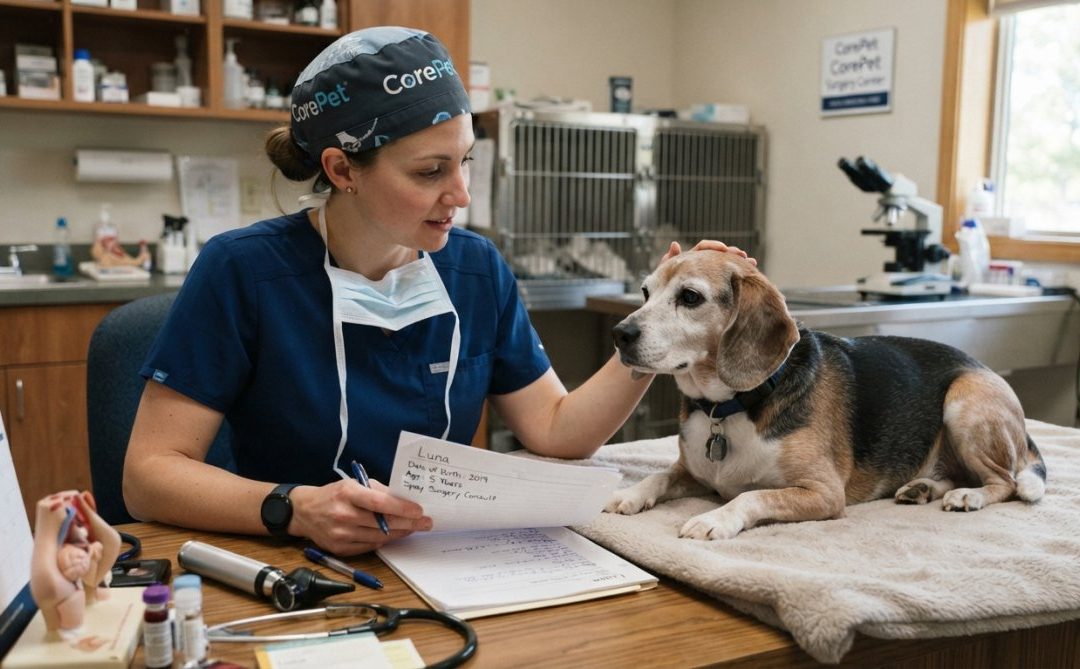
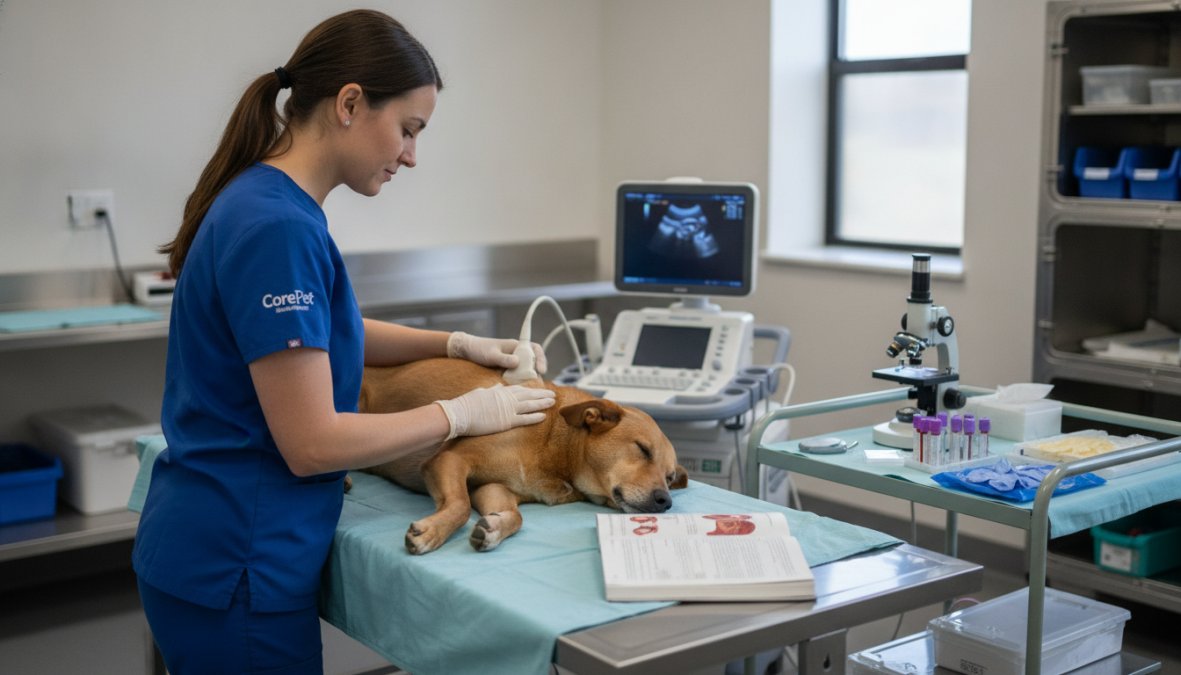
Veterinarians diagnose pyometra using clinical signs, physical examination, and imaging. Bloodwork reveals elevated white blood cell count and may show elevated kidney values, suggesting systemic toxicity.
Treatment Options: Surgical vs. Medical Management
Surgical intervention remains the gold standard treatment. An ovariohysterectomy (surgical removal of the ovaries and uterus) is the definitive cure and is strongly recommended for closed pyometra, animals showing septicemia, or those with significant systemic illness.
Medical management with prostaglandins and antibiotics is an alternative for carefully selected cases of open pyometra in young, healthy animals. This approach requires daily veterinary monitoring, aggressive fluid therapy, and willingness to proceed to surgery if the animal deteriorates. Medical management succeeds in roughly 50-75% of open pyometra cases but has much higher failure rates in closed pyometra.
Post-operative Care and Recovery
Most dogs remain hospitalized for 24-48 hours following surgery for pain management, IV fluids, and antibiotics. The surgical site must be kept clean and dry; most vets recommend an Elizabethan collar to prevent licking. Suture removal typically occurs 10-14 days post-surgery.
Restrict activity to short, leashed walks during recovery. Pain medication is essential for the first 7-10 days. Monitor the incision daily for signs of infection: excessive redness, swelling, discharge, or opening. Most dogs recover fully within 2-3 weeks with excellent quality of life.
Prevention Through Spaying: The Most Important Strategy
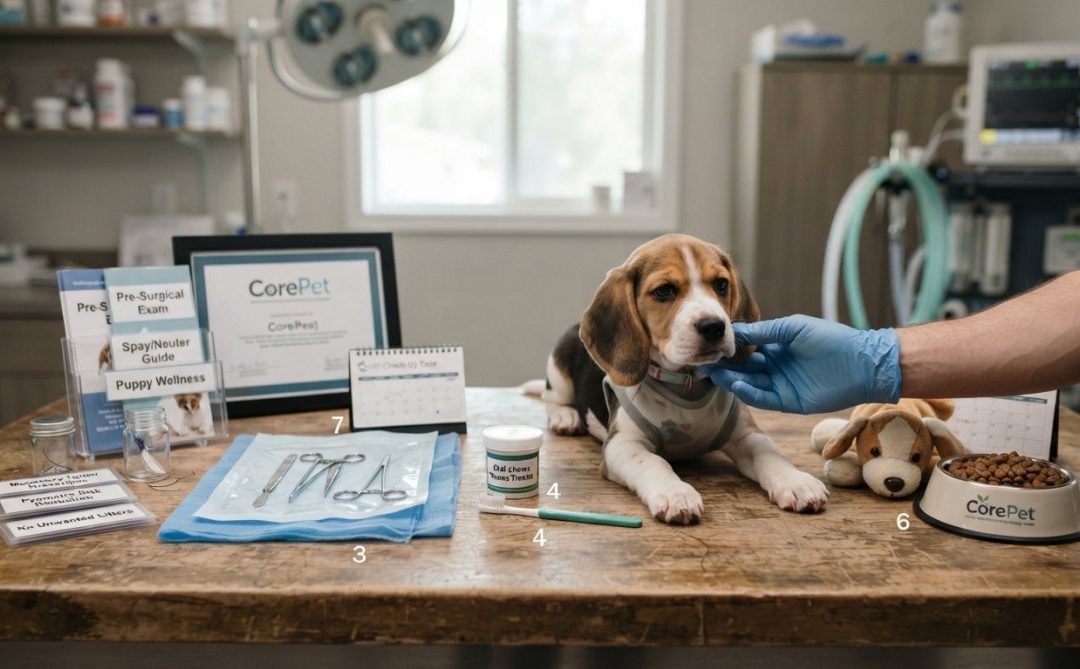
The single most effective prevention for pyometra is spaying before the first heat cycle. Spaying eliminates the hormonal cycles that trigger uterine changes, completely preventing pyometra development. Spay Neuter Dental services are a routine and essential part of preventive pet care.
Spaying benefits extend beyond pyometra prevention:
- Eliminates risk of ovarian and uterine cancer
- Prevents mammary cancer when done before first heat
- Eliminates behavioral changes associated with heat cycles
- Prevents unwanted pregnancies
The American Veterinary Medical Association recommends spaying before the first heat cycle, typically 4-6 months of age. Early spaying is the single best investment in your pet’s long-term health.
Understanding Open vs. Closed Pyometra
Open pyometra occurs when the cervix remains partially open, allowing infected material to drain externally. Owners typically notice vaginal discharge, which prompts earlier diagnosis. Medical management succeeds in a higher percentage of open cases.
Closed pyometra develops when the cervix closes completely, trapping pus and toxins inside the uterus. Without external drainage, bacterial endotoxins accumulate rapidly, causing severe systemic illness. Closed pyometra progresses to septicemia and organ failure more quickly. Surgical intervention is strongly recommended.
|
Characteristic |
Open Pyometra |
Closed Pyometra |
|---|---|---|
|
Cervical drainage |
Yes, visible discharge |
No drainage |
|
Early detection |
More likely due to discharge |
Often delayed |
|
Medical management success |
50-75% |
10-25% |
|
Surgical urgency |
Important but less emergent |
Immediate emergency |
Both forms require veterinary attention, but closed pyometra demands emergency care.
Financial Planning and Cost Estimates
Emergency surgery for pyometra represents a significant financial commitment. Diagnostic costs typically range from several hundred dollars. Surgical costs vary based on location and case complexity, with emergency surgery generally costing more than routine procedures.
Preventive spaying is significantly less expensive than emergency pyometra surgery. This is why prevention through early spaying is not just medically superior, it’s also financially prudent.
Breed-Specific Predisposition and Risk Factors
While any unspayed female can develop pyometra, certain factors increase risk. Older unspayed females face the highest risk; the condition is rare before age three but becomes increasingly common in animals over five years old.
Individual risk factors include age over five years, previous uterine inflammation, hormonal imbalances, immune compromise, and obesity. The most significant modifiable risk factor is spaying status, unspayed status is the defining prerequisite for pyometra development. Spaying eliminates it entirely.
Pyometra is preventable, treatable, and manageable when caught early. The best approach is prevention through spaying before the first heat cycle. If your pet is unspayed and showing signs of illness, seek veterinary care immediately. Book an appointment today and take the most important step toward protecting your dog or cat from this serious condition.
Frequently Asked Questions
What are the first signs of pyometra in dogs?
Early signs of pyometra include lethargy, loss of appetite, and increased thirst (polydipsia). You may notice vaginal discharge, abdominal distension, or vomiting. Some dogs show behavioral changes like restlessness or depression. These symptoms typically appear within weeks after the estrus cycle. If you observe any combination of these signs in an unspayed female dog, contact your veterinarian immediately, as pyometra is a life-threatening uterine infection requiring prompt attention.
How quickly does pyometra develop after a heat cycle?
Pyometra typically develops within 4 to 8 weeks following the estrus cycle, though the timeline varies. The condition arises due to hormonal changes and progesterone levels that alter the uterine environment, allowing bacterial infection to establish. Some cases progress rapidly, while others develop more slowly. The speed of progression depends on factors like the pet's immune system and the severity of bacterial colonization. Early recognition and treatment are critical, as delayed intervention increases the risk of septicemia and endotoxemia.
Does spaying a dog prevent pyometra entirely?
Yes, spaying (ovariohysterectomy) eliminates the risk of pyometra by removing the uterus and ovaries. Since pyometra develops only in unspayed females due to hormonal cycles and uterine changes, surgical removal of reproductive organs prevents this condition completely. Spaying also reduces the risk of mammary cancer and eliminates heat cycles. Early spaying before the first heat cycle offers the greatest health benefits. This is one of the most important preventive health measures available for female dogs and cats.
Can a dog survive pyometra without surgery?
Medical management with antibiotic therapy and prostaglandins may be attempted in early, mild cases of open pyometra, but surgery remains the gold standard treatment. Medical management carries significant risks, including treatment failure, uterine rupture, and septicemia. Emergency surgery (ovariohysterectomy) offers the highest survival rate and fastest recovery. Without treatment of any kind, pyometra is life-threatening and often fatal. Your veterinarian will assess the severity and recommend the safest approach for your pet's specific situation.
This article was written using GrandRanker