Table of Contents
- Spay vs Neuter: Understanding Which Is Male or Female
- Health Benefits of Spaying Female Dogs and Cats
- Health Benefits of Neutering Male Pets
- Recovery Time for Spay and Neuter Procedures
Last Updated: July 15, 2026
Spay vs Neuter: Understanding Which Is Male or Female
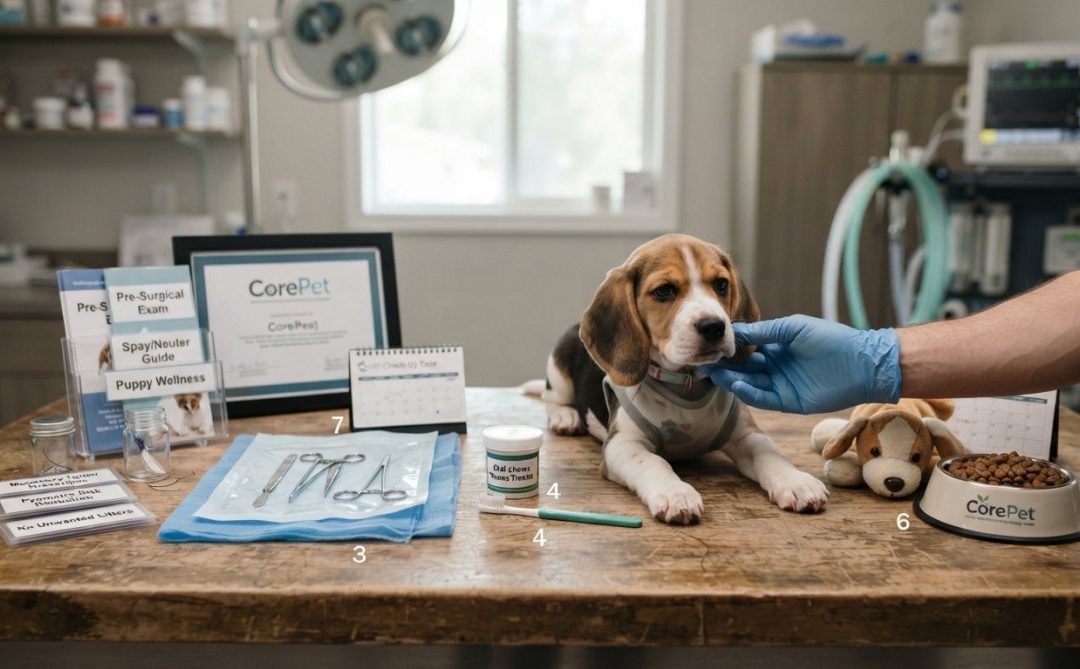
Spaying is the surgical removal of reproductive organs in female dogs and cats, while neutering is the same procedure performed on males. Both surgeries are fundamental to pet health. Understanding the distinction matters because each procedure offers unique health benefits tailored to male and female anatomy.
| Procedure | Gender | Surgical Target | Primary Health Benefits |
|---|---|---|---|
| Spaying | Female | Ovaries and uterus | Prevents heat cycles, reduces cancer risk, eliminates pregnancy |
| Neutering | Male | Testicles | Reduces aggression, prevents testicular cancer, decreases roaming behavior |
Health Benefits of Spaying Female Dogs and Cats
Spaying removes the ovaries and uterus from female pets, preventing the estrus (heat) cycle and eliminating unwanted pregnancies. Female pets spayed before their first heat cycle experience dramatically reduced risk of mammary cancer later in life. Spaying also eliminates the risk of pyometra, a life-threatening uterine infection that commonly affects older unspayed females and often requires emergency surgery.
Spaying before the first heat cycle (typically around 6 months of age) provides the strongest cancer prevention benefits. Talk with your veterinarian about the optimal timing for your individual pet.
Behavioral changes accompany spaying as well. Female pets no longer experience hormonal fluctuations that drive heat-seeking behavior, including excessive vocalization, marking, and escape attempts. This eliminates the need for managing a female in heat, which occurs twice yearly in unspayed females.
Health Benefits of Neutering Male Pets
Neutering involves surgical removal of the testicles through a procedure called orchiectomy. Male pets that are neutered show significantly reduced risk of testicular cancer and prostate problems that frequently develop in aging intact males, including benign prostatic hyperplasia and prostatitis.
Behavioral modifications following neutering are equally important. Intact males experience testosterone-driven urges to roam, mark territory, and display aggression toward other males. Neutering dramatically reduces these behaviors, making male pets calmer and safer around other animals.
Neutering reduces roaming behavior by up to 90% in most cases, making it one of the most effective ways to keep male pets safe and prevent them from getting lost.
Recovery Time for Spay and Neuter Procedures
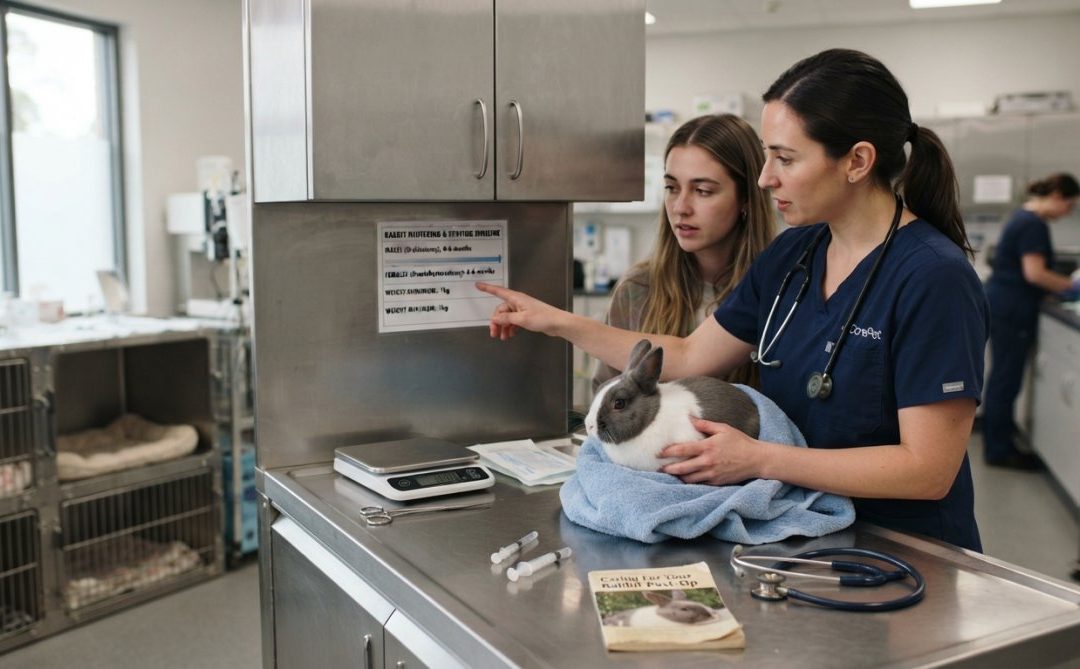
Both spaying and neutering are surgical procedures that require proper post-operative care to ensure smooth healing. Most pets recover within 10-14 days, though complete internal healing takes longer.

During the first 24 hours after surgery, pets typically experience drowsiness from anesthesia and may have little appetite. By day 2-3, most pets regain normal appetite and energy levels, but strict rest is essential. The surgical incision requires protection from licking and chewing, which can lead to infection or reopening of the wound.
Activity restriction is critical during the first two weeks. Pets should not run, jump, swim, or engage in rough play. Short, controlled leash walks for bathroom breaks are acceptable, but free play should be avoided entirely. Recovery suits designed specifically for post-surgical pets offer an alternative to traditional Elizabethan collars, reducing stress during healing.
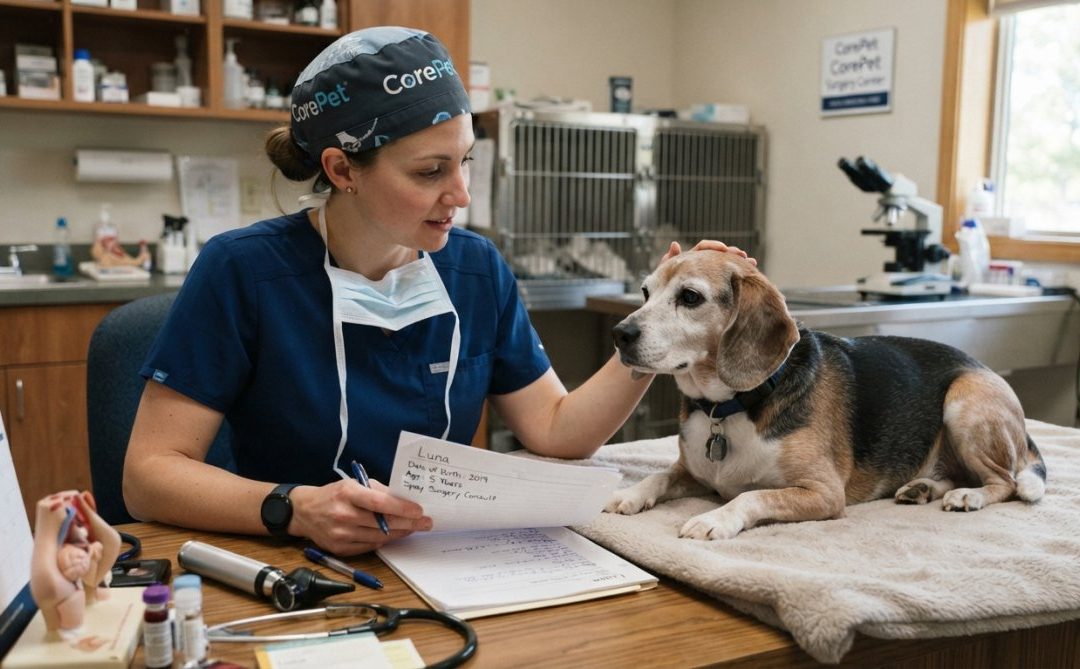
Incision monitoring is essential throughout recovery. Pet owners should check the surgical site daily for signs of infection, including excessive swelling, redness, discharge, or warmth. Mild swelling and slight redness in the first few days is normal, but worsening symptoms warrant immediate veterinary attention. Most vets schedule a follow-up examination 10-14 days after surgery to confirm proper healing.
If your pet licks or chews at the incision despite protective measures, contact your veterinarian immediately. Infection from a compromised incision can develop rapidly and may require additional treatment.
Pain management during recovery varies by veterinarian and individual pet needs. Some pets receive oral pain medication for 7-10 days post-surgery, while others manage discomfort with rest alone.
Why Spaying and Neutering Matter for Pet Health
Spaying and neutering prevent serious diseases, reduce behavioral problems, and contribute to longer, healthier lives. These procedures also address pet overpopulation, millions of dogs and cats enter shelters annually, many facing euthanasia due to lack of available homes. By spaying or neutering your pet, you prevent litters that might contribute to this crisis.
Preventative medicine through spaying and neutering is far more cost-effective than treating the diseases these procedures prevent. Emergency treatment for pyometra, testicular cancer, or other reproductive-related conditions can cost thousands of dollars. Spaying and neutering are routine surgical procedures with predictable costs and excellent outcomes when performed by experienced veterinarians. Many veterinary clinics also offer comprehensive care packages that bundle spay and neuter procedures with additional preventative services like Spay Neuter Dental, which combines these essential procedures with professional dental cleaning to address multiple aspects of your pet’s health at once.
Current veterinary guidance emphasizes individual assessment based on breed size, health status, and other factors when determining optimal timing. Discussing the ideal timing with your veterinarian ensures your pet receives maximum health benefits from the procedure.
Deciding whether to spay or neuter your pet is ultimately about prioritizing their long-term health and wellbeing. Both procedures prevent serious diseases, reduce behavioral problems, and contribute to a longer, healthier life. Book an appointment with CorePet today and take the first step toward a healthier future for your beloved companion.
Frequently Asked Questions
What is the difference between spaying and neutering?
Spaying is a surgical procedure that removes the ovaries and uterus from female dogs and cats, preventing heat cycles and reproduction. Neutering is the surgical removal of the testicles in male pets, eliminating their ability to reproduce. Both are sterilization procedures that provide significant health and behavioral benefits. While the surgical techniques differ based on anatomy, both are common preventative medicine practices performed by veterinarians.
What are the main health benefits of spaying a female dog?
Spaying female dogs eliminates the heat cycle and significantly reduces the risk of mammary tumors, especially when performed before the first heat. It also prevents uterine infections and ovarian cancer. The procedure removes the ovaries and uterus, eliminating reproductive health risks. Female pets that are spayed live longer, healthier lives with fewer reproductive complications and lower rates of certain cancers compared to unspayed females.
How long does recovery take after spay or neuter surgery?
Most pets recover from spay or neuter surgery within 10-14 days. During this time, the incision heals and sutures may need removal. Pets should rest, avoid strenuous activity, and wear a recovery suit or e-collar to protect the incision. Full healing occurs within 2-3 weeks. Post-operative care is critical to prevent complications. Your veterinarian will provide specific recovery instructions and may recommend follow-up visits to monitor healing progress.
Is neutering more affordable than spaying?
Neutering is typically less expensive than spaying because the surgical procedure is less invasive. Male castration removes only the testicles, while female spaying requires removal of the ovaries and uterus through an abdominal incision. However, costs vary significantly by region, clinic type, and pet size. Non-profit clinics and animal welfare organizations often offer lower rates than private veterinary practices. Contact your local veterinary center for current pricing and available payment options.
What behavioral changes occur after spaying or neutering?
After spaying, female pets no longer experience heat cycles, eliminating heat-related behaviors like vocalization and marking. Neutered males typically show reduced aggression, territorial marking, and roaming behavior. Both procedures can decrease anxiety and improve focus on their owners. Some pets may gain weight after surgery due to hormonal changes, so diet and exercise management become important. Overall, sterilized pets tend to be calmer and more focused on family bonding.
This article was written using GrandRanker