Table of Contents
- Health Benefits of Early Spay Neuter Surgery
- What Is the Right Early Spay Neuter Age for Your Pet?
- Risks of Early Spay Neuter You Should Understand
- Spay Neuter Before First Heat: Benefits and Timing
Last Updated: July 15, 2026
Health Benefits of Early Spay Neuter Surgery
Early spay neuter surgery prevents reproductive diseases before they start. The most significant advantage is cancer prevention: female dogs spayed before their first heat have less than a 1% chance of developing mammary cancer, compared to those spayed after their first heat. Neutering males prevents testicular cancer and reduces prostate disease risk. Early gonadectomy also stops unwanted behavioral changes driven by reproductive hormones, roaming, territorial marking, and hormone-linked aggression simply don’t develop.
The window for maximum cancer prevention is narrow: spay or neuter before the first heat cycle. Once that cycle begins, hormonal changes have already increased disease risk. Timing matters more than most pet owners realize.
What Is the Right Early Spay Neuter Age for Your Pet?
For most mixed-breed dogs and cats, 6-8 weeks is the standard window veterinarians recommend. Large and giant breed dogs develop differently; their growth plates remain open longer, sometimes until 12-18 months. Some research suggests early spay/neuter in large breeds may increase orthopedic problems like hip dysplasia or cruciate ligament tears because sex hormones affect bone density and skeletal development.
For large breeds, many veterinarians now recommend waiting until skeletal maturity (12-24 months), allowing normal bone development while still preventing reproductive cancers. Small breed dogs and cats tolerate early spay/neuter at 6-8 weeks with minimal developmental concerns. Your veterinarian should evaluate your individual pet’s health status, breed tendencies, and growth trajectory.
Waiting too long, past the first heat cycle, eliminates most cancer prevention benefit. The hormonal window closes quickly. Delaying surgery should be a deliberate choice made with veterinary guidance.
Risks of Early Spay Neuter You Should Understand
Early spay neuter is safe but not risk-free. Surgical complications like infection, bleeding, or anesthesia reactions are rare with modern techniques. The more significant concern is impact on bone and muscle development in large breed dogs, which can increase orthopedic disease risk including hip dysplasia and cruciate ligament injuries.
Weight gain commonly follows surgery. Spayed and neutered animals have lower metabolic rates and reduced activity drive. Without dietary adjustments, many pets become overweight within the first year, increasing joint strain and diabetes risk. Urinary incontinence affects a small percentage of spayed females, particularly larger breeds, typically appearing months or years after surgery.
Spay Neuter Before First Heat: Benefits and Timing
Spaying before the first heat cycle delivers maximum cancer prevention because it stops estrogen production before it triggers mammary gland development. Behavioral benefits are equally compelling: dogs and cats spayed before sexual maturity never develop heat-seeking behavior, roaming urges, or reproductive hormone-linked aggression.
First heat cycles vary by breed and individual. Small breed dogs often cycle as early as 6-8 months; large breeds may not cycle until 12-18 months. Cats can cycle as early as 4-5 months. Missing the window by even a few weeks reduces cancer prevention benefits significantly.
The first heat cycle represents a biological threshold. Before it happens, spay/neuter provides near-complete cancer prevention. After it begins, that prevention benefit drops substantially. Correct timing is the single most important factor in achieving maximum health benefits.
Post-Operative Recovery and Surgical Safety
Modern spay and neuter surgery is one of the safest procedures in veterinary medicine. Recovery typically takes 10-14 days, during which your pet needs restricted activity and wound care. General anesthesia carries minimal risk in healthy young animals; pre-operative bloodwork screens for underlying health problems.
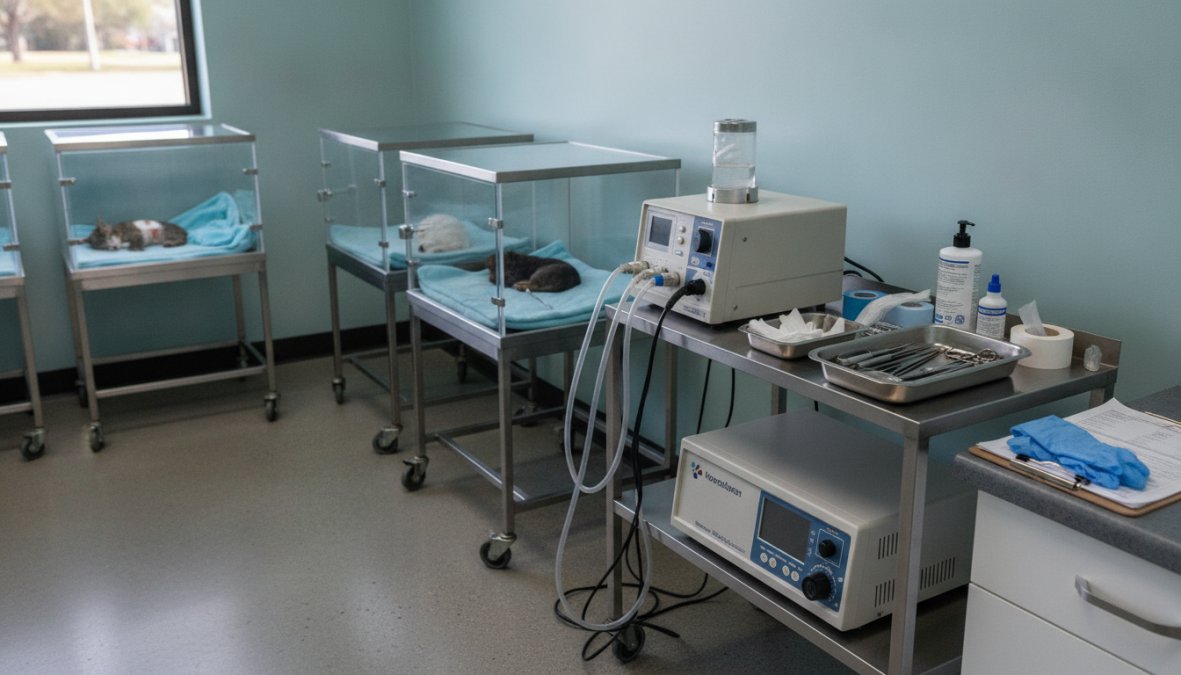
Post-operative pain management is standard. Your pet goes home with pain medication for 7-10 days and needs a quiet recovery space with limited jumping or running for two weeks. The incision site requires daily inspection for infection, redness, swelling, discharge, or opening. Complications are uncommon but include infection or internal bleeding, which are manageable if caught early. By week three, most animals are back to normal behavior. Beyond surgical care, comprehensive preventative health also includes dental health; services like Spay Neuter Dental can address multiple aspects of your pet’s wellness during the same visit, making it convenient to handle several important procedures together.
Behavioral Changes and Benefits After Early Spay Neuter
Behavioral transformation is one of the most noticeable benefits of early spay neuter. Dogs and cats spayed or neutered before sexual maturity never develop the intense drive to seek mates, eliminating roaming behavior that puts pets at risk. Marking behavior, spraying urine on furniture and walls, is testosterone-driven in males and estrogen-driven in females; early neutering prevents this almost entirely.
Aggression related to sexual maturity decreases substantially. Early spay/neuter does not create behavioral problems, pets show normal play behavior, normal bonding with owners, and normal social development. They’re simply calmer and more focused on their families rather than reproductive drives.
Behavioral changes appear gradually over weeks and months, not immediately. You’ll notice your pet is less interested in escaping, less reactive to other animals, and more content staying home.
Making Your Decision: Benefits Versus Risks
For small breed dogs and cats, early spay/neuter is almost universally recommended. Cancer prevention benefits are substantial, orthopedic risks are minimal, and behavioral improvements are significant.
For large and giant breed dogs, the decision is more nuanced. You’re weighing significant cancer prevention against increased orthopedic risk. Some owners wait until skeletal maturity (12-24 months) before spaying or neutering. Others spay/neuter at 6-8 weeks and manage orthopedic health through diet, exercise, and monitoring. Both approaches have merit.
| Consideration | Small Breeds | Large Breeds | Cats |
|---|---|---|---|
| Cancer Prevention Benefit | Excellent | Excellent | Excellent |
| Orthopedic Risk | Minimal | Moderate-High | Minimal |
| Behavioral Improvement | Significant | Significant | Significant |
| Recommended Age | 6-8 weeks | 6-8 weeks or 12-24 months | 6-8 weeks |
Your veterinarian should evaluate your pet’s individual health status, breed predispositions, and family circumstances to guide the timing decision that makes sense for your specific animal.
Early spay neuter surgery remains one of the most important preventative health decisions you’ll make for your pet. Schedule your consultation today and get answers specific to your pet’s optimal surgical timing.
Frequently Asked Questions
What are the main health benefits of early spay neuter surgery?
Early spay neuter surgery provides significant preventative health benefits. In female dogs and cats, spaying before the first heat cycle dramatically reduces the risk of mammary tumors and eliminates the risk of pyometra (a life-threatening uterine infection). Neutering males prevents testicular cancer and reduces the risk of prostate disease. These sterilization procedures also prevent unwanted litters, addressing pet overpopulation concerns. The reproductive health advantages make early gonadectomy a cornerstone of preventative medicine for companion animals.
At what early spay neuter age should I consider the procedure for my pet?
The ideal early spay neuter age typically ranges from 8 weeks to 6 months, though this varies by breed and individual health. Smaller breeds may be ready earlier, while larger breeds benefit from waiting until growth plates are more developed. Spaying before the first heat cycle provides maximum cancer prevention benefits. Consult with your veterinarian about breed-specific guidelines and your pet's individual development. Your vet can assess your companion animal's readiness for surgery and recommend the optimal timing for your situation.
What are the risks associated with early spay neuter surgery?
While early spay neuter offers substantial benefits, there are some risks to consider. Early surgery may impact bone density and growth plate development, potentially affecting skeletal maturity in large-breed dogs. Surgical complications, though rare with modern techniques, can include anesthesia reactions or post-operative infection. Some studies suggest links between very early gonadectomy and certain orthopedic conditions in specific breeds. A veterinary consultation helps weigh these risks against cancer prevention and behavioral benefits for your individual pet.
How does early neuter affect a pet's behavior and development?
Behavioral changes after early neuter are typically positive. Neutered males show reduced roaming behavior, decreased marking and territorial aggression, and lower testosterone levels, making them calmer and easier to manage. Female dogs spayed before their heat cycle won't experience hormonal fluctuations associated with estrogen cycles. These behavioral modifications often improve safety and household harmony. However, some pets may experience minor changes in energy levels or metabolism. Understanding these behavioral benefits helps pet owners appreciate why early sterilization supports both pet welfare and household management.
This article was written using GrandRanker