Table of Contents
- Why Are Cat Balls Removed During Neutering?
- Health and Behavioral Benefits of Cat Neutering
- The Neutering Surgical Procedure Explained
- Cat Neutering Recovery: What to Expect
Last Updated: July 28, 2026
Why Are Cat Balls Removed During Neutering?
Neutering, also called castration, is the surgical removal of a male cat’s testicles to prevent reproduction and reduce certain behavioral and health issues. At CorePet, we understand that pet owners preparing for this procedure have real concerns about what happens during surgery and why it’s necessary. Testicles produce testosterone, the hormone responsible for spraying urine around the house, roaming in search of females, and heightened aggression. By removing the source of testosterone production, neutering addresses these behavioral issues at their root and eliminates the risk of testicular cancer and prostate disease later in life.
Health and Behavioral Benefits of Cat Neutering
Neutering provides substantial health advantages throughout your cat’s lifetime. Research shows that neutered cats live longer, healthier lives with fewer disease complications. The removal of testicles eliminates testicular cancer entirely, a condition that can develop in older unneutered males. Additionally, neutering reduces the risk of prostate enlargement and prostate disease, conditions that cause painful urination and other complications in senior cats.
Behavioral transformation represents one of the most noticeable benefits. Unneutered male cats engage in territorial spraying, marking territory with pungent urine on furniture and walls. This behavior stems directly from testosterone production. Once neutered, most cats stop spraying within days or weeks. Roaming behavior, where unneutered males attempt to escape outdoors in search of females, also diminishes dramatically after surgery. Testosterone drives competitive behavior and fighting with other cats; neutered cats typically become calmer, more affectionate, and better suited to indoor living.
The best time to neuter a cat is between 4-6 months of age, before behavioral patterns become established. Early neutering prevents the development of spraying and roaming behaviors entirely.
The Neutering Surgical Procedure Explained
The neutering procedure is straightforward and typically takes 15-30 minutes. Your veterinarian will perform a pre-operative examination and often recommend bloodwork to ensure your cat is healthy enough for anesthesia. Once anesthetized, the surgical site is clipped and cleaned with sterile solution. The veterinarian makes a small incision, typically less than half an inch, over each testicle. Through this incision, the testicle is gently extracted, and the blood vessels and spermatic cord are tied off or cauterized to prevent bleeding. Many incisions are so small they close naturally without stitches.
Understanding cryptorchidism is important for some cat owners. This condition occurs when one or both testicles fail to descend into the scrotum and remain in the abdomen. A retained testicle can still produce testosterone and pose health risks. During neutering, your veterinarian will locate and remove any retained testicles, even if they’re inside the abdomen. This requires a slightly larger incision but remains a routine procedure for experienced surgeons.
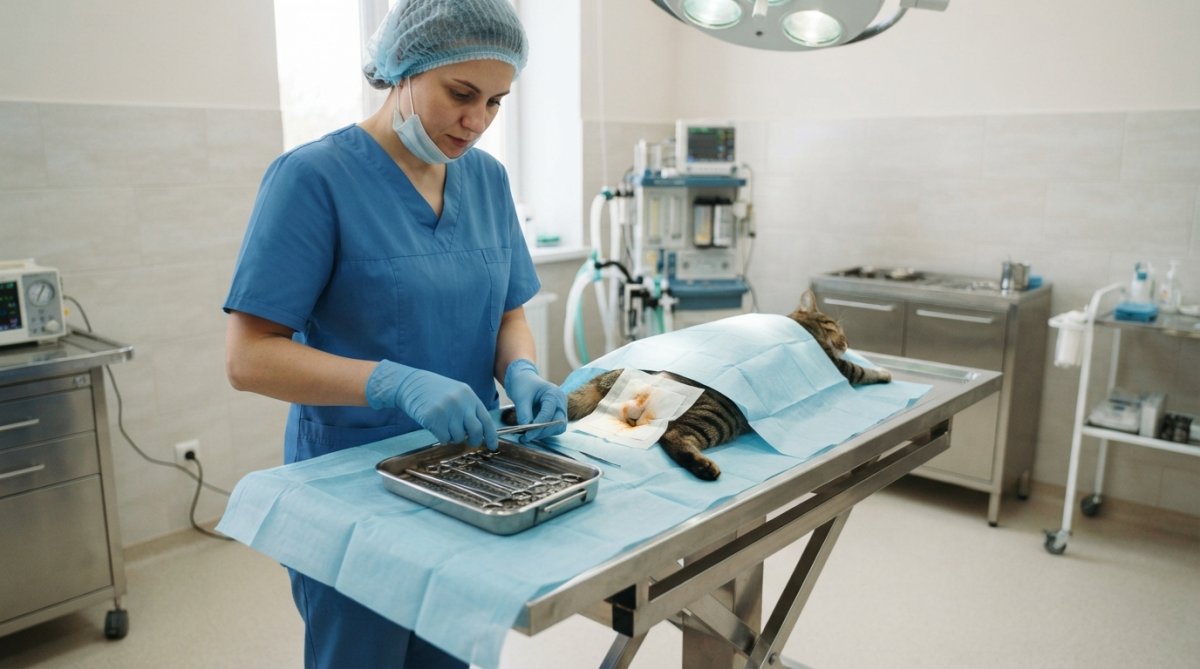
Modern surgical techniques at CorePet in Bedford, New Hampshire use advanced equipment and anesthesia protocols that prioritize your cat’s safety. The entire procedure is performed under strict sterile conditions to minimize infection risk. Pain management begins before surgery and continues with post-operative pain relief to ensure comfortable recovery.
Never attempt to examine the surgical site yourself or allow your cat to lick the incision area. This can introduce bacteria and delay healing. If you notice excessive swelling, discharge, or signs of infection, contact your veterinarian immediately.
Cat Neutering Recovery: What to Expect
Recovery from neutering typically progresses quickly, with most cats returning to normal activity within 7-10 days. The first 24-48 hours after surgery are the most critical. Your cat will be groggy from anesthesia and may seem disoriented, this is completely normal. Keep your cat in a quiet, warm room away from other pets and children. Provide a litter box with paper-based litter instead of clay, as clay can stick to the incision and introduce bacteria.
Pain management during recovery is essential for your cat’s comfort and healing. Your veterinarian will prescribe pain medication, typically for 3-5 days post-surgery. Administer these medications exactly as directed, even if your cat seems to be feeling better. Pain relief allows your cat to move around gently, which promotes better circulation and faster healing.
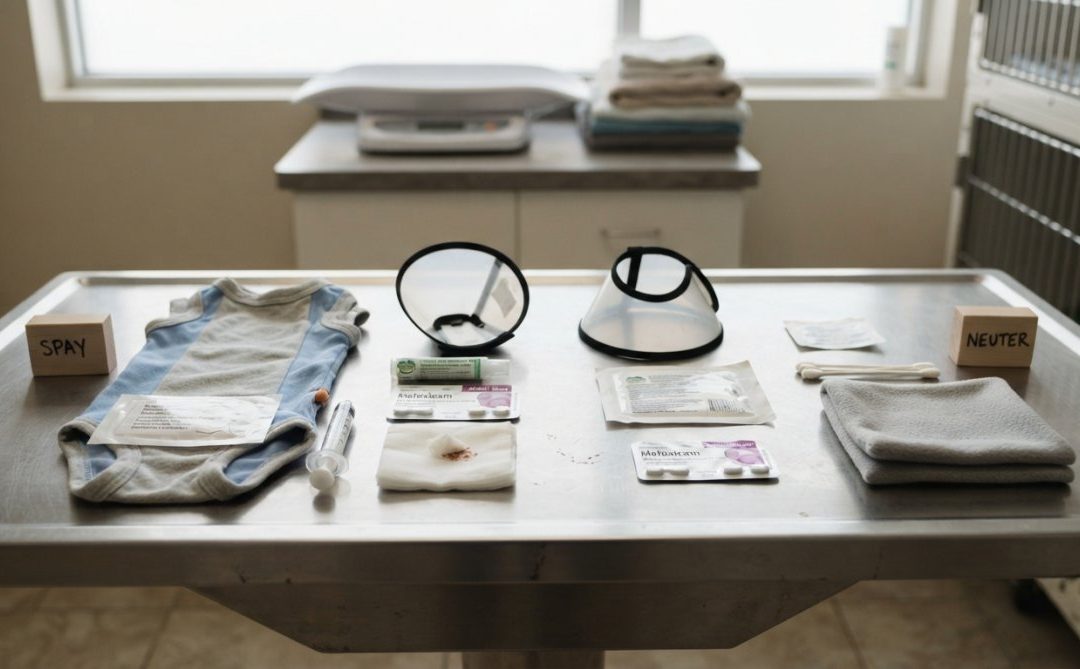
The incision site requires careful monitoring during the first two weeks. Check it daily for signs of infection, excessive redness, swelling, discharge, or a foul odor. A small amount of clear fluid at the incision is normal, but blood or pus indicates a problem requiring immediate veterinary attention. Keep the area clean and dry, and prevent your cat from licking or chewing at the incision by using an Elizabethan collar (cone) if necessary.
| Recovery Aspect | Timeline | What to Monitor |
|---|---|---|
| Anesthesia recovery | 4-6 hours | Disorientation, grogginess |
| Activity restriction | 7-10 days | Jumping, running, rough play |
| Incision healing | 10-14 days | Redness, swelling, discharge |
| Full recovery | 2-3 weeks | Return to normal behavior and energy |
| Suture removal | 10-14 days | If non-dissolvable stitches were used |
Activity restriction during recovery prevents complications. Excessive activity can tear the incision or cause internal bleeding. Confine your cat to a small room or carrier when you can’t supervise. Avoid jumping on and off furniture by providing ramps or keeping your cat on ground level. Most cats can resume normal activity after 10-14 days.
The scrotum may appear empty or slightly deflated once the testicles are removed, this is completely normal. Some swelling occurs immediately after surgery, but it typically resolves within a few days. The skin gradually tightens and returns to a normal appearance over 2-3 weeks.
Most cats can eat their normal diet the evening after surgery, though some experience mild nausea from anesthesia. Offer small portions of their regular food initially. Most cats return to normal eating patterns within 24 hours.
The most important aspect of recovery is preventing your cat from licking or damaging the incision. An Elizabethan collar is the single best investment for ensuring smooth healing without complications.
Neutering is one of the most important health decisions you’ll make for your male cat. The removal of testicles prevents serious health conditions, eliminates unwanted behaviors, and contributes to a longer, healthier life. CorePet in Bedford, New Hampshire focuses on Spay Neuter Dental procedures using advanced surgical techniques and modern equipment. Our experienced team is committed to delivering safe, individualized care. Learn more about feline neutering benefits from the American Veterinary Medical Association to understand why veterinarians recommend this procedure. Book an appointment with CorePet today and give your cat the gift of better health.
Frequently Asked Questions
Why are cat balls removed during neutering?
Removing the testicles (castration) during neutering eliminates testosterone production, which prevents reproduction and reduces hormone-driven behaviors like spraying, roaming, and aggression. The surgical removal of the testicles is the most effective way to sterilize a male cat and provide long-term health and behavioral benefits. This permanent infertility prevents unwanted litters and contributes to better overall pet health.
At what age should a cat neutering procedure be performed?
Most veterinarians recommend neutering male cats between 4 to 6 months of age, before puberty begins. However, neutering can be safely performed on cats as young as 8 weeks old and at any age thereafter. Early neutering prevents the development of testosterone-driven behaviors and reduces the risk of certain health issues. Consult your veterinarian to determine the best cat neutering age for your individual pet based on health and development.
What are the main health benefits of cat neutering?
Cat neutering benefits include prevention of testicular cancer, reduced risk of prostate disease, and decreased likelihood of urinary tract infections. Neutered cats also exhibit fewer behavioral problems, reduced aggression, and are less likely to roam or get lost. Additionally, neutering eliminates the stress of sexual frustration and contributes to longer, healthier lives. These health advantages make neutering one of the most important preventive procedures for male cats.
How long does cat neutering recovery take?
Most cats recover from the surgical procedure within 7 to 10 days. During the first 24 hours after surgery, your cat may experience grogginess from anesthesia and mild discomfort. The incision site requires monitoring for infection, and sutures typically dissolve or are removed within 10-14 days. Full healing of internal tissues takes longer, so restrict your cat's activity for at least a week. Follow your veterinarian's post-operative care instructions carefully to ensure proper recovery.
This article was written using GrandRanker