Last Updated: November 11, 2026
Quick Summary
The best enzymatic toothpaste for dogs and cats is one your pet will tolerate, so check the label to confirm whether a formula is labeled for dogs, cats, or both. Pick by species, flavor, and ingredients rather than packaging claims, and confirm the formula is labeled for pet use with enzymes and is swallow safe.
- Bad breath, yellow-brown buildup along the gumline, and reluctance to chew are the earliest signs of dental disease.
- Enzymatic toothpaste is generally used between professional cleanings, not in place of them.
- Cats often prefer malt or fish flavors while dogs lean toward poultry or beef.
- Check the label before using one tube for a multi-pet household.
- For pets that resist brushing, start with a finger brush and a pea-sized amount, and let the pet lick it first.
Table of Contents
- Best Enzymatic Toothpaste for Dogs and Cats: Top Picks Compared
- Signs of Dental Disease in Pets and How Enzymatic Toothpaste Fits In
- Choosing the Best Dog Toothpaste to Remove Plaque and Tartar
- Frequently Asked Questions
Best Enzymatic Toothpaste for Dogs and Cats: Top Picks Compared
The best enzymatic toothpaste for dogs and cats is one your pet will tolerate. Check the product label to confirm whether a formula is labeled for dogs, cats, or both.
| Product | Best For | Flavors |
|---|---|---|
| Virbac C.E.T. Enzymatic | Dogs and cats | Five options |
| Vet’s Best Enzymatic | Dogs | Poultry |
| Petsmile Professional | Picky pets | Multiple |
Signs of Dental Disease in Pets and How Enzymatic Toothpaste Fits In
Bad breath, yellow-brown buildup along the gumline, and reluctance to chew are the earliest signs of dental disease. Enzymatic toothpaste is generally used between professional cleanings, not in place of them. A 2016 study on daily brushing after scaling framed brushing as care after a cleaning, not a substitute for one. Pet owners in New Hampshire can learn to recognize the signs of dental disease in cats, understand what drives cat bad breath, and know when symptoms mean urgent dental care is needed.
Choosing the Best Dog Toothpaste to Remove Plaque and Tartar
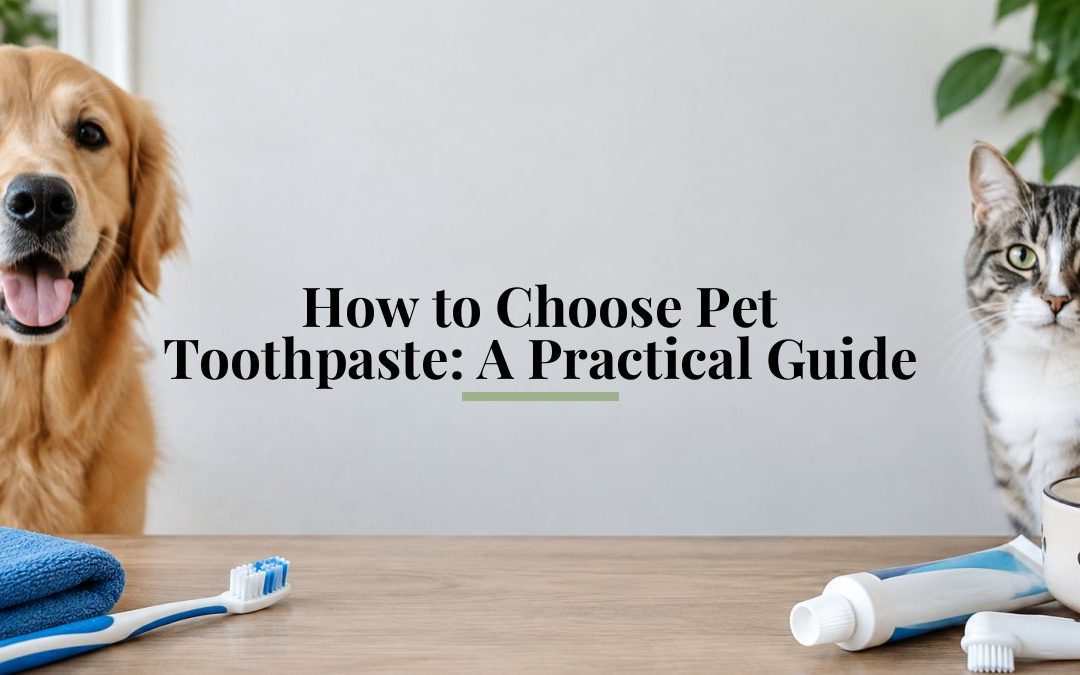
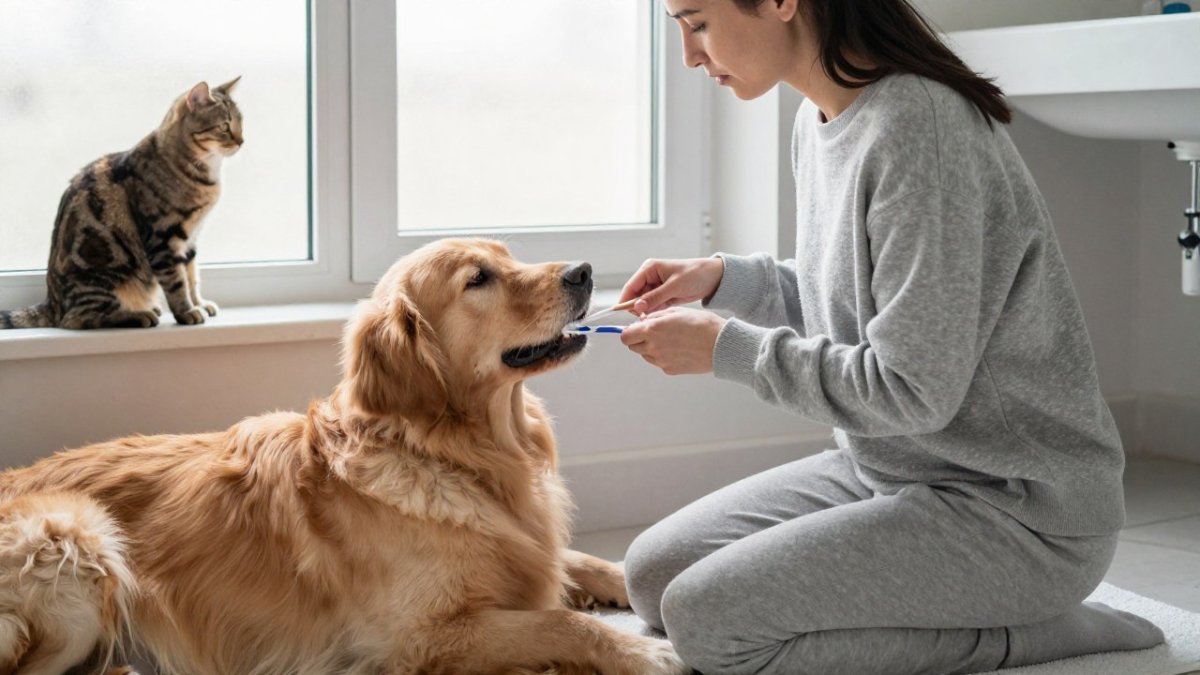
Pick a toothpaste by species, flavor, and ingredients, not packaging claims. Cats often prefer malt or fish flavors while dogs lean toward poultry or beef, according to veterinary guidance from Farmington Veterinary Hospital. Toro Park Veterinary advises checking the label before using one tube for a multi-pet household. Look for formulas labeled for pet use with enzymes, and check the label for swallow safety. A practical guide to choosing pet toothpaste and the right toothbrush for a puppy make the decision easier. For pets that resist brushing, start with a finger brush and a pea-sized amount, and let the pet lick it first.
Dental disease in pets is progressive, and home brushing only slows it. CorePet is a locally owned surgery center focused on spay, neuter, and dental procedures for dogs, cats, and rabbits, with modern equipment and individualized care at reasonable costs. When buildup needs professional attention, a dental procedure under anesthesia removes what a toothbrush cannot. Get started with CorePet and protect your pet’s oral health.
Frequently Asked Questions
Is enzymatic toothpaste better for dogs and cats than regular toothpaste?
Enzymatic toothpaste uses enzymes to help break down plaque and tartar on the teeth, while regular pet toothpaste relies more on abrasive action from brushing. The enzymes keep working after brushing stops, which helps in hard-to-reach areas. A 2016 study in PMC examined daily brushing with toothpaste after scaling and measured oral bacteria, though the supplied result does not state the outcome. Pet owners should check the label to confirm a product is intended for pets.
Can I use the same enzymatic toothpaste for both my dog and cat?
Not every enzymatic toothpaste is labeled for both dogs and cats, so check the product label for cross-species use. Flavor preferences can also vary between pets. Keep separate tubes in a multi-pet household to avoid mixing up flavors your pet dislikes.
How often should I brush my pet’s teeth to see results from enzymatic toothpaste?
Daily brushing is commonly suggested for supporting oral health, and consistency is generally recommended when using any pet toothpaste. If daily brushing is difficult at first, start with a few times a week and build up. Pair brushing with regular veterinary dental exams, since toothpaste alone does not replace professional cleaning for existing tartar.