Table of Contents
- What Does Cat Neuter Cost in New Hampshire?
- Cat Neutering Age: When Is the Right Time to Fix Your Cat?
- Why Neutering Your Cat Is Worth Every Penny
- Low Cost Spay and Neuter NH: How to Find Affordable Options
- Pet Financial Assistance NH: Programs That Can Help Cover Costs
- Pre-Surgical Preparation and Post-Operative Care for Your Cat
- How to Choose the Right Clinic for Cat Neuter Cost in New Hampshire
- Conclusion
Last Updated: May 22, 2026
Understanding the cat neuter cost in New Hampshire is the first step toward making a smart, affordable decision for your cat’s long-term health. This guide from CorePet breaks down exactly what you’ll pay, what drives price differences between clinics, and how to find low-cost options without sacrificing safety. Below, we’ll show you exactly how to prepare your cat for surgery, what to expect during recovery, and which financial assistance programs can help cover the bill. Most pet owners are surprised by how wide the price range actually is, and by how much the right clinic choice matters.
What Does Cat Neuter Cost in New Hampshire?
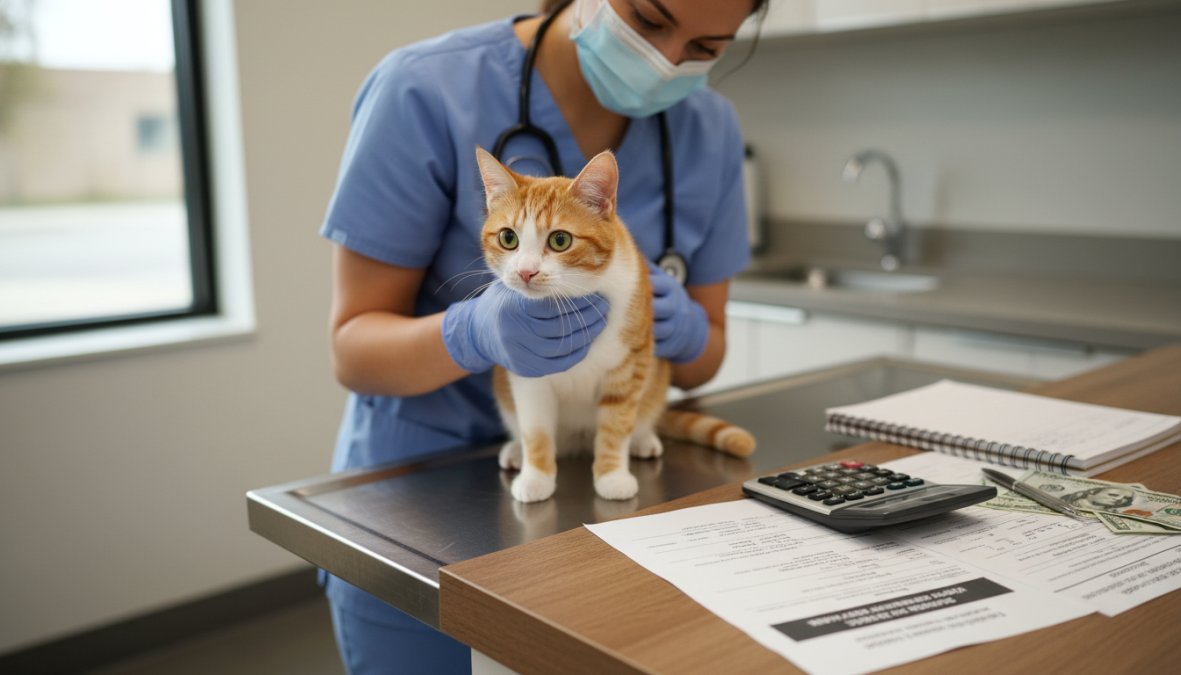
Cat neutering is the surgical removal of a male cat’s testicles, a routine procedure that eliminates reproductive capability and reduces hormone-driven behaviors. The cat neuter cost in New Hampshire typically ranges from modest fees at low-cost spay/neuter clinics to higher rates at full-service veterinary hospitals, depending on the provider type, your cat’s age and health status, and what services are bundled into the surgical fee.
Most cat owners in New Hampshire will encounter a few distinct pricing tiers. High-volume, low-cost surgery centers tend to offer the most accessible rates. Private general-practice veterinarians sit in the middle. Specialty hospitals or emergency clinics charge the most, and are rarely the right choice for a routine neuter.
Factors That Affect the Price of Cat Neutering
Several variables push the price up or down:
- Age and weight: Older or heavier cats require more anesthesia and longer surgical time, which increases cost.
- Pre-surgical bloodwork: Some clinics require it for cats over a certain age; others offer it as an add-on.
- Anesthesia type: Isoflurane gas anesthesia is the modern standard and is safer than older injectable-only protocols. Clinics using isoflurane may charge slightly more, but the safety margin is significantly better.
- Geographic location within NH: Clinics in Manchester or Concord may price differently than rural practices.
- Cryptorchidism: If one or both testicles are undescended, the procedure becomes more complex and costs more.
- Post-operative medications: Pain management drugs and antibiotics are sometimes included, sometimes billed separately.
Never choose a clinic based on price alone. A clinic that skips isoflurane anesthesia or skips post-operative pain management to cut costs is trading your cat’s safety for a lower sticker price. The consequence can be a dangerous recovery or a return visit that costs far more than you saved.
What Is Typically Included in the Surgery Fee
A standard neuter fee at a reputable clinic should cover the surgical procedure itself, isoflurane anesthesia, monitoring during the procedure, and basic post-operative instructions. Many clinics also include a take-home pain medication, though this varies. Pre-surgical bloodwork, an Elizabethan collar (e-collar), and follow-up visits are frequently billed as extras. Always ask for an itemized quote before booking.
Cat Neutering Age: When Is the Right Time to Fix Your Cat?
The right cat neutering age is earlier than most owners expect. Many veterinarians recommend neutering male cats between four and six months of age, before they reach sexual maturity. Early-age neutering, sometimes called pediatric neutering, is well-supported by veterinary medicine and carries no meaningful increase in surgical risk for healthy kittens.
Sexual maturity in male cats typically arrives between five and eight months. Once a buck reaches that threshold, hormonal behaviors such as urine spraying, roaming, and territorial aggression become established. Neutering after sexual maturity still works, but reversing deeply ingrained behaviors takes longer. The window between four and six months is where you get the most behavioral and health benefit for the least surgical complexity.
According to the American Veterinary Medical Association’s position on early spay/neuter, early-age neutering in cats is safe and effective, with recovery times that are often faster than in adult animals.
Is a Cat Ever Too Old to Be Neutered?
No, a cat is not automatically too old to be neutered. Age alone is not a disqualifying factor. The real question is overall health status. Senior cats with well-controlled chronic conditions can safely undergo neutering when the attending veterinarian clears them. Pre-surgical bloodwork becomes more important as cats age, since it screens for kidney disease, liver function issues, or anemia that could complicate anesthesia.
A cat that is otherwise healthy at eight, ten, or even twelve years old can still benefit from neutering, particularly if behavioral issues are severe or if testicular cancer is a concern. The conversation with your veterinarian should center on risk stratification, not age as a standalone number.
Why Neutering Your Cat Is Worth Every Penny
Here’s the part most cost-focused guides skip: the cat neuter cost in New Hampshire is not just an expense. It is preventative medicine that almost always costs less than the conditions it prevents.
Unneutered male cats face a meaningfully higher risk of testicular cancer and prostate problems as they age. They are also far more likely to roam, fight other cats, and sustain injuries from those fights. Bite wound abscesses, FIV transmission from cat bites, and trauma from roaming are all costs that dwarf a routine neuter fee. The math is straightforward.
Behavioral Improvements After Neutering
The behavioral shift after neutering is one of the most consistent outcomes in veterinary medicine. Territorial urine spraying, which is one of the top reasons cats are surrendered to shelters, decreases dramatically or stops entirely in most cats neutered before or shortly after sexual maturity. Hormonal aggression toward other cats and toward people also drops significantly.
Litterbox habits often improve as well. Intact male cats spray to mark territory, and that behavior extends to furniture, walls, and bedding. Post-neuter, most cats return to using the litterbox exclusively. Bonding with human family members also tends to improve, since the cat is no longer driven by the urge to roam or compete.
If you’re adopting a second cat and want to improve the bonding process, neutering both cats first is the single most effective step you can take. Hormonal aggression is the primary obstacle to successful multi-cat introductions.
Preventing Reproductive Cancers and Health Risks
Neutering eliminates the risk of testicular cancer entirely, since the testicles are removed during the procedure. It also reduces the risk of prostate enlargement and certain hormonal disorders that become more common in intact males as they age. These are not rare edge cases. Testicular cancer is among the more common cancers in intact male cats and dogs, as noted by Cornell University College of Veterinary Medicine’s feline health resources.
Beyond cancer prevention, neutered cats are less likely to contract feline immunodeficiency virus (FIV), which spreads primarily through bite wounds during territorial fights. Roaming behavior also exposes intact males to vehicle trauma, predation, and exposure to infectious disease. Preventative medicine is almost always cheaper than reactive treatment.
Low Cost Spay and Neuter NH: How to Find Affordable Options
The good news for New Hampshire pet owners is that low cost spay and neuter NH options do exist, and they are more localized than most national guides suggest. The key is knowing which organizations operate in your region of the state, how to evaluate whether a low-cost clinic is genuinely safe, and what questions to ask before you book.
NH-Specific Organizations and Clinics to Contact First
Most national guides point you to a zip-code search tool and stop there. What they do not tell you is which organizations are actually active in New Hampshire right now, what their eligibility requirements look like, and how to reach them directly. Here is a working starting point organized by region:
Statewide and Multi-Region Resources
- NH SPCA (Stratham): The New Hampshire SPCA operates its own spay/neuter clinic and periodically runs community voucher programs for income-qualified residents. Contact them directly to ask about current availability and income thresholds, as program funding changes seasonally.
- Pope Memorial SPCA of Concord-Merrimack County: Serves the central NH region and has historically partnered with low-cost surgery programs. Call ahead to ask whether they have active voucher slots or upcoming clinic dates.
- Animal Rescue League of NH (Bedford): Covers southern NH and has run subsidized spay/neuter events for community members. Their availability varies by funding cycle.
- Humane Society of Cheshire County (Keene): Serves the Monadnock region and southwestern NH. Worth contacting if you are in that corridor.
How to Use the ASPCA and PetSmart Charities Databases
The ASPCA’s low-cost spay/neuter database and the PetSmart Charities clinic finder both allow zip-code searches and are updated more frequently than most static lists. Run your zip code in both, since they do not always return identical results. Filter for clinics that explicitly list cats as a covered species and note whether they list income requirements.
Municipal Animal Control Offices
Several NH municipalities have historically subsidized spay/neuter for residents, particularly for community (feral or stray) cats. Manchester, Nashua, and Concord animal control offices are the most likely to have active programs or referral relationships. A single phone call to your town’s animal control officer can surface options that never appear in any online database.
When you call any of these organizations, ask three specific questions: (1) Do you have current voucher availability or upcoming clinic dates? (2) Is there an income requirement, and what documentation do you need? (3) Which surgery centers do you partner with, and can I verify their anesthesia protocol before booking? The third question alone will tell you a great deal about how seriously the organization vets its partners.
How to Tell a Safe Low-Cost Clinic from a Risky One
Price compression in high-volume surgery is real, and it does not automatically mean lower safety. The difference between a safe low-cost clinic and a risky one comes down to three non-negotiable factors:
-
Anesthesia protocol: Isoflurane gas anesthesia with continuous monitoring by a dedicated technician is the current standard of care. Some very low-cost operations use injectable-only protocols that offer a narrower safety margin. Ask directly: "What anesthesia do you use, and is there a dedicated technician monitoring my cat throughout the procedure?" A clinic that cannot answer that question clearly is a clinic to avoid.
-
Monitoring equipment: A pulse oximeter, capnograph, and temperature monitoring are standard in any modern surgical suite. High-volume does not mean low-tech. Clinics that specialize exclusively in spay and neuter procedures often invest more in surgical equipment than general practices, because these procedures are their entire business model.
-
Post-operative pain management: A clinic that sends a cat home without analgesics is not meeting current veterinary standards. Pain management is not an upsell, it is part of the procedure. If a quote does not include take-home pain medication, ask why, and factor the cost of obtaining it separately into your comparison.
A clinic advertising a price significantly below the regional norm is worth scrutinizing carefully. Ask for an itemized breakdown of what is and is not included. The most common cost-cutting moves are skipping pre-surgical monitoring, using older anesthesia protocols, and omitting post-operative pain medication. Each of those omissions carries a real risk to your cat, and the resulting complications will cost far more than the amount you saved.
CorePet: A Surgery-Focused Option in New Hampshire
CoreVet is a locally owned surgery center in New Hampshire that specializes exclusively in spay, neuter, and dental procedures. That specialization matters in a way that is easy to underestimate. A clinic that performs these procedures as its entire focus, not as one of dozens of service types, develops a level of surgical efficiency, team coordination, and equipment investment that a general practice rarely matches. Surgical volume translates directly to proficiency, and proficiency translates to safety. For cat owners evaluating the cat neuter cost in New Hampshire, a focused surgery center like CorePet is the practical first call before working down a list of alternatives.
Beyond CorePet, New Hampshire’s network of humane societies and animal welfare organizations runs periodic low-cost clinics throughout the year. Timing and slot availability vary, so checking directly with local shelters for upcoming clinic dates, rather than relying on static online listings, is the most reliable approach.
Pet Financial Assistance NH: Programs That Can Help Cover Costs
Pet financial assistance NH programs are more available than most owners realize, but they require active navigation rather than passive discovery. Most of these programs do not advertise broadly, have limited funding that depletes quickly each cycle, and require documentation that takes time to gather. Understanding the landscape before you need it, rather than after you have already scheduled surgery, is the practical advantage.
A Realistic Cost Transparency Framework
Before applying to any assistance program, it helps to understand what you are actually trying to cover. A routine cat neuter at a focused surgery center in New Hampshire will typically include the procedure, anesthesia, and basic post-operative instructions. The variables that push the total higher are pre-surgical bloodwork (often recommended for cats over seven years old or with known health conditions), an e-collar, and take-home pain medication if not bundled into the surgical fee.
When you call a clinic for a quote, ask for an itemized estimate that separates these line items. This serves two purposes: it lets you compare quotes accurately across clinics, and it lets you identify which costs a financial assistance program might cover versus which you will need to handle out of pocket. Some programs cover only the surgical fee. Others cover the full visit including medications. Knowing the breakdown before you apply means you can target the right program.
Ask the clinic directly: “What is included in your base surgical fee, and what is billed separately?” A clinic that gives you a clear itemized answer before you book is demonstrating the kind of transparency that tends to carry through the entire experience. A clinic that is vague about pricing before surgery is often vague about it at pickup as well.
National Programs With NH Eligibility
-
The Pet Fund: A national nonprofit that assists with non-emergency veterinary care costs for owners who demonstrate financial need. Spay and neuter procedures qualify. Applications require income documentation and a veterinary estimate. Funding is limited and awarded on a rolling basis, so applying as early as possible, ideally before you have scheduled surgery, gives you the best chance.
-
RedRover Relief: Provides urgent care grants and can sometimes assist with surgical costs when the procedure is medically necessary rather than purely elective. Their definition of "urgent" includes situations where an intact animal’s health is at risk, which can apply to older cats with hormonal complications.
-
The Petco Foundation and PetSmart Charities: Both organizations fund local shelter and rescue partners, some of which in turn offer voucher programs to community members. The funding flows through local organizations rather than directly to individuals, so the entry point is contacting NH shelters that receive these grants rather than applying nationally.
NH-Level Programs and Local Entry Points
-
Local shelter voucher programs: Many NH shelters, including the NH SPCA, Pope Memorial SPCA, and Animal Rescue League of NH, offer voucher programs for people who adopted from them or for income-qualified community members. These vouchers reduce the cost of surgery at partner clinics. Availability is funding-dependent and not always listed on shelter websites, so a direct phone call is more reliable than a web search.
-
SNAP (Spay/Neuter Assistance Program) certificates: Some NH municipalities and county-level nonprofits issue SNAP certificates that reduce the surgical fee at participating clinics. Availability varies significantly by county. Your town’s animal control office or local humane society is the fastest way to find out whether a SNAP program is active in your area.
-
CareCredit: A veterinary financing option that allows owners to spread surgical costs over several months, often with a promotional interest-free period for qualifying applicants. CareCredit is accepted at many NH veterinary clinics and surgery centers. It is not a grant, you are borrowing against a credit line, but for owners who can manage monthly payments, it removes the barrier of a large upfront cost. Apply before your surgery date so approval does not delay scheduling.
-
Scratchpay: Similar to CareCredit, Scratchpay offers veterinary payment plans with a soft credit check and faster approval for some applicants. It is worth comparing both options, since approval terms and interest rates vary by applicant profile.
Most financial assistance programs have limited funding that is awarded on a first-come, first-served basis within each funding cycle. Programs that were active last year may be paused this year, and programs that are currently full may reopen in a new quarter. Do not assume a program is available because you read about it online, call to confirm current status before building your plan around it.
How to Build a Practical Cost-Coverage Plan
The most effective approach is to layer options rather than rely on a single program. A realistic sequence looks like this:
- Get an itemized quote from your preferred clinic so you know the exact total and what each line item covers.
- Call local NH shelters to ask about current voucher availability and whether you qualify. This costs nothing and can reduce your out-of-pocket cost significantly.
- Apply to The Pet Fund or RedRover if you meet income requirements, and do this early, processing takes time.
- Apply for CareCredit or Scratchpay as a backstop so you have a financing option in place regardless of grant outcomes.
- Ask your clinic whether they offer payment plans directly. Some surgery-focused centers will work with established clients on payment timing, though this is not universal.
The cat neuter cost in New Hampshire should not be a barrier to care. Between focused surgery centers with accessible pricing, NH-based shelter voucher programs, national nonprofit grants, and veterinary financing options, most owners can find a path to safe, affordable surgery without compromising on the quality of care their cat receives.
Start the financial assistance process before you schedule surgery, not after. Gather income documentation, call local shelters directly about voucher availability, and apply to national programs early. The owners who successfully reduce their out-of-pocket cost are almost always the ones who started the process two to four weeks before their surgery date.
Pre-Surgical Preparation and Post-Operative Care for Your Cat
Proper preparation before surgery and attentive care afterward are as important as the procedure itself. Skipping either is where complications begin.
Fasting and Day-of-Surgery Preparation
Most veterinary clinics require cats to fast for a set period before surgery to reduce the risk of aspiration during anesthesia. The standard protocol is withholding food after midnight the night before the procedure. Water is generally permitted until a few hours before the appointment, though your clinic will give you specific instructions.
On the day of surgery:
- Confirm your drop-off time and any last-minute instructions with the clinic
- Remove food from the night before (follow your clinic’s exact fasting window)
- Transport your cat in a secure, clean carrier
- Bring any medications your cat takes regularly so the surgical team can account for them
- Note any behavioral changes or symptoms that appeared in the days before surgery
Do not feed your cat "just a little" before surgery because you feel guilty about the fast. Aspiration of stomach contents during anesthesia is a serious, preventable complication.

Post-Operative Pain Management and Recovery at Home
Post-operative pain management is the area most first-time cat owners underestimate. Cats are stoic animals that mask discomfort, so the absence of obvious crying does not mean your cat is pain-free. A reputable clinic will send your cat home with appropriate analgesics, typically a short course of buprenorphine or meloxicam, and clear dosing instructions.
At home, set up a recovery cage or a small, quiet room where your cat cannot jump, climb, or roughhouse with other pets. Restrict activity for at least five to seven days. Check the incision site daily for redness, swelling, or discharge. An e-collar prevents licking and chewing at the incision, which is the most common cause of post-surgical infection.
Signs that warrant an immediate call to your clinic:
- Swelling or discharge at the incision site
- Lethargy that persists beyond 24-48 hours post-surgery
- Refusal to eat or drink for more than 24 hours
- Pale gums or labored breathing
Recovery for a routine neuter in a healthy young cat is typically fast. Most cats are back to near-normal behavior within three to five days, with full healing by ten to fourteen days.
How to Choose the Right Clinic for Cat Neuter Cost in New Hampshire
Choosing the right clinic is where the decision actually gets made. Price is a factor, but it should be the last filter you apply, not the first.
Evaluate clinics on these criteria before comparing quotes:
Anesthesia protocol: Isoflurane gas anesthesia with continuous monitoring is the current standard of care. Ask directly what anesthesia the clinic uses and who monitors the patient during surgery.
Surgical volume: High-volume surgery centers perform these procedures daily. Experience and repetition matter in surgery. A clinic that performs dozens of neuters per week will almost always outperform one that does two or three.
Pain management inclusion: Post-operative pain management should be part of the standard protocol, not an upsell. A clinic that does not routinely provide take-home analgesics is behind on current veterinary standards.
Transparency on pricing: A trustworthy clinic gives you a clear, itemized estimate before surgery. Hidden fees that appear at pickup are a red flag.
Surgical focus: CorePet’s model of specializing exclusively in spay, neuter, and dental procedures means the entire team, the equipment, and the workflow are optimized for exactly these surgeries. That specialization is a genuine advantage over a general practice where these procedures are one of dozens performed each week.
The cat neuter cost in New Hampshire is most responsibly evaluated as a package: what is included, who is performing the surgery, what happens if something goes wrong, and how your cat will be managed for pain afterward. A slightly higher fee at a focused, experienced surgery center is almost always the better value than the lowest quote you can find.
According to the American Animal Hospital Association’s surgical care standards, accredited veterinary facilities must meet specific protocols for anesthesia monitoring, pain management, and post-operative care, a useful benchmark when evaluating any clinic.
Finding affordable, safe surgical care for your cat should not require a research project, but the variance in quality and price across New Hampshire clinics makes it one. CorePet was built specifically to close that gap: a locally owned surgery center that focuses exclusively on spay, neuter, and dental procedures, using modern surgical techniques and advanced equipment to deliver safe, individualized care at reasonable costs. Book an appointment with CorePet and get your cat the focused surgical care they deserve, from a team that does this every single day.
Frequently Asked Questions
What is the average cost to neuter a cat in New Hampshire?
Cat neuter cost in New Hampshire typically ranges from around $50 at low-cost clinics to $300 or more at full-service veterinary hospitals. The price varies based on the clinic type, your cat's age and weight, whether pre-surgical bloodwork is included, and the anesthesia protocol used. Specialized surgery centers that focus exclusively on spay and neuter procedures often offer competitive pricing without sacrificing surgical quality or safety.
Are there low-cost spay and neuter clinics in NH?
Yes, there are low-cost spay and neuter options in New Hampshire. Local humane societies, animal rescue organizations, and dedicated surgery centers like CorePet offer affordable cat neutering. Some NH-based nonprofits also run periodic low-cost clinic events. Searching for 'low cost spay and neuter NH' and contacting your local SPCA or humane society are good starting points for finding current pricing and availability in your area.
At what age should I neuter my cat?
Most veterinarians recommend neutering a male cat between four and six months of age, before he reaches sexual maturity. However, cats can be safely neutered at any age, including adults. Neutering earlier tends to prevent unwanted behaviors like spraying, roaming, and hormonal aggression before they become established habits. If you have an older cat, consult a veterinarian to confirm he is healthy enough for anesthesia and surgery.
Does pet insurance cover neutering in New Hampshire?
Most standard pet insurance policies classify neutering as a preventive or wellness procedure and do not cover it under accident-and-illness plans. However, some insurers offer optional wellness riders that reimburse spay and neuter costs. It is worth reviewing your policy documents carefully. If you do not have pet insurance, financial assistance programs and low-cost clinics in NH can help make cat neutering more affordable without relying on insurance coverage.
What is included in the cost of a cat neuter surgery?
A standard cat neuter fee typically covers the surgical procedure itself, isoflurane gas anesthesia, basic monitoring during surgery, and a post-operative check. Some clinics bundle pre-surgical bloodwork, pain medication to take home, and an e-collar into the price. Others charge for these separately. Always ask for a written itemized estimate before booking so you understand exactly what cat neuter cost in New Hampshire covers at your chosen clinic.
This article was written using GrandRanker