Table of Contents
-
How to Prepare Your Dog for Surgery: What Every Pet Parent Should Know First
-
Pre-Surgical Consultation, Physical Exam, and Diagnostic Testing
-
Breed-Specific Anesthetic Risks You Should Discuss With Your Vet
-
How to Calm a Dog Before a Vet Visit and Reduce Surgical Day Stress
-
Dog Surgery Recovery Tips: Preparing Your Home Before the Procedure
-
Signs of Complications After Dog Surgery Every Owner Must Recognize
-
Financial Planning and Pet Insurance: How to Prepare for Surgery Costs
Last Updated: June 4, 2026
How to Prepare Your Dog for Surgery: What Every Pet Parent Should Know First
Knowing how to prepare dog for surgery correctly is one of the most important things you can do to protect your pet’s health and recovery. This guide from CorePet, a locally owned surgical center in Manchester, New Hampshire, covers everything from pre-surgical diagnostics to setting up your home for a smooth recovery. Most post-procedure complications are preventable and trace back to preparation gaps before the dog ever arrived at the clinic.
Pre-surgical preparation spans several days, not just the morning of the procedure. Pet parents who treat it as a single-day task miss critical steps: medication adjustments, fasting timing, and home environment setup. The five areas covered here have the greatest impact on anesthesia safety and recovery outcomes.
Pre-Surgical Consultation, Physical Exam, and Diagnostic Testing
A pre-surgical consultation is the foundation of safe anesthesia planning. Your veterinarian will conduct a thorough physical exam assessing your dog‘s heart, lungs, lymph nodes, and body condition, catching underlying issues like heart murmurs or undetected infections that could significantly increase anesthetic risk.
The consultation is also when you’ll complete the surgical consent form, discuss current medications, and ask questions about the procedure. Bring a written list of every supplement, flea preventative, and prescription your dog takes, as many interact with sedation drugs in non-obvious ways.
What Blood Work and Diagnostics Actually Tell Your Veterinarian
Pre-anesthetic blood work is not optional. A complete blood panel evaluates liver and kidney function, both responsible for metabolizing anesthesia drugs. A dog with compromised kidney function processes these drugs far more slowly, extending sedation time and increasing complication risk. Your vet may also recommend radiographs or ultrasounds depending on your dog’s age, breed, and procedure complexity. According to the American Veterinary Medical Association’s surgical safety guidelines, pre-anesthetic diagnostics are a standard of care that directly improves outcomes, particularly in dogs over seven years old.
Schedule the pre-surgical consultation at least five to seven days before the procedure so your vet has time to review results and adjust the anesthesia protocol if needed.
Vaccination Requirements and Medication Management Before Surgery
Most surgical facilities require proof of current core vaccinations before admitting a patient. Confirm your dog’s vaccination status at the consultation, not the morning of surgery, lapsed vaccinations can delay or cancel the procedure.
Some medications, including certain anti-inflammatory drugs and blood thinners, must be paused several days before surgery. Others, like seizure medications, should never be stopped abruptly. Never adjust your dog’s medication schedule without direct veterinary instruction.
Dog Fasting Before Surgery: Food, Water, and Timing Rules
Dog fasting before surgery is one of the most critical pre-operative requirements and one of the most commonly misunderstood. The standard guideline for most adult dogs is no food for eight to twelve hours before the procedure. Anesthesia suppresses the gag reflex, and a dog with food in its stomach can vomit under sedation and aspirate stomach contents into the lungs, a life-threatening complication.
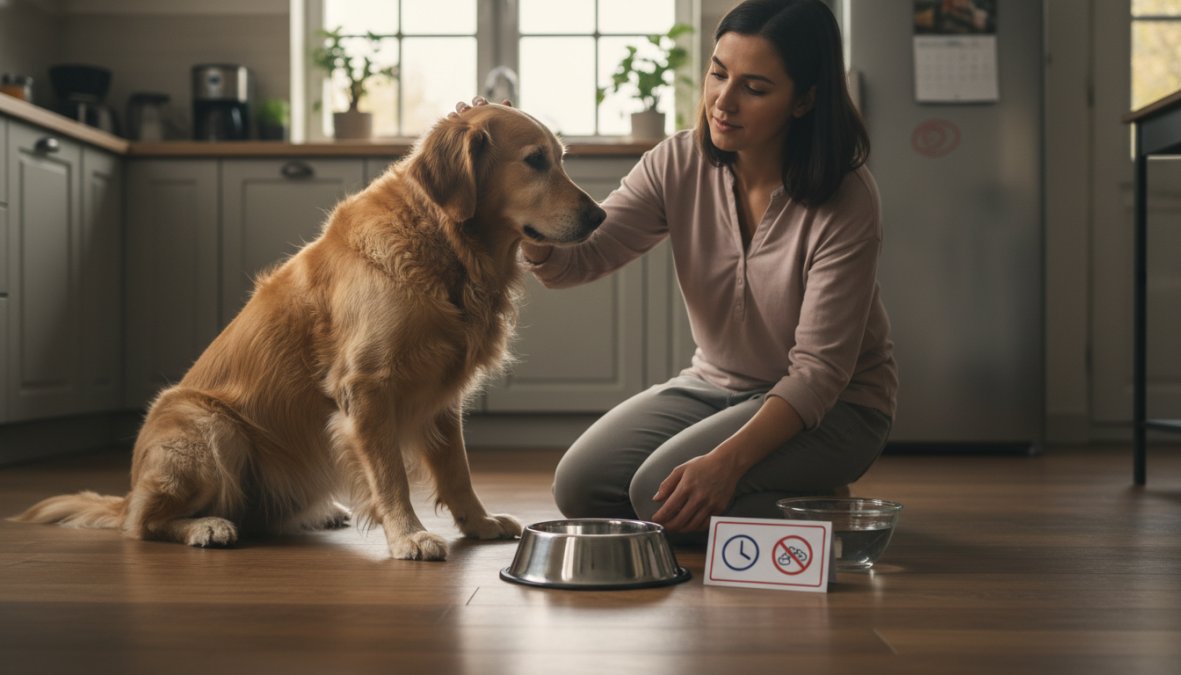
Water restrictions differ: many protocols allow water until two to four hours before the procedure. Withholding water too long causes dehydration, which complicates anesthesia and slows recovery. Follow your vet’s exact instructions rather than general internet guidelines.
Key nuances:
-
Puppies under twelve weeks and very small breeds (under five pounds) often have different fasting windows due to hypoglycemia risk.
-
Dogs with diabetes require special fasting protocols tied to their insulin schedule.
-
If your dog sneaks food during the fasting window, call your clinic immediately, the procedure may need to be rescheduled to avoid aspiration risk.
Remove food bowls and put away treat containers the night before to prevent accidental feeding by other household members.
Breed-Specific Anesthetic Risks You Should Discuss With Your Vet
Not every dog metabolizes anesthesia the same way, and breed is one of the most significant variables.
Brachycephalic breeds (Bulldogs, French Bulldogs, Pugs, Boston Terriers) carry elevated anesthetic risk due to compressed airway anatomy, requiring specialized intubation and extended monitoring. Confirm your surgical facility has specific experience managing these cases.
Sighthounds (Greyhounds, Whippets, Salukis) have low body fat and a unique liver enzyme profile that causes them to metabolize certain sedation drugs much more slowly, resulting in prolonged recovery times.
Giant breeds like Great Danes and Saint Bernards are statistically more prone to cardiac abnormalities that may not surface during a routine exam, making pre-surgical cardiac screening worth discussing.
Deep-chested breeds including Standard Poodles and German Shepherds face higher risk of gastric dilatation-volvulus (bloat) post-operatively, which affects how quickly they’re allowed food and water after the procedure.
As documented in Cornell University College of Veterinary Medicine’s anesthesia resources, breed-specific anesthetic protocols significantly reduce intraoperative complications when applied correctly. Raise your dog’s breed during the pre-surgical consultation and ask directly whether any protocol modifications apply.
How to Calm a Dog Before a Vet Visit and Reduce Surgical Day Stress
A dog arriving in a high-anxiety state has elevated cortisol levels that affect heart rate, blood pressure, and anesthesia requirements. Reducing fear, anxiety, and stress before surgery is both a welfare issue and a clinical one.
What works in the days leading up to surgery:
-
Take a short, calm walk the morning of the procedure to reduce anxiety without exhausting the dog.
-
Place a worn t-shirt or familiar blanket in the carrier to provide comfort through scent.
-
Avoid high-energy play the day before, calm environments produce calmer dogs.
-
If your dog has a history of severe veterinary anxiety, ask your vet about pre-visit pharmaceutical options like Gabapentin, which can be prescribed in advance.
Transporting Your Dog to the Hospital Without Adding Anxiety
Dogs pick up on owner anxiety, so staying calm and matter-of-fact during the car ride sets the tone. Avoid excessive reassurance, which many dogs interpret as confirmation that something is wrong.
Practical transport tips:
-
Use a secure crate or carrier rather than letting your dog roam freely, this reduces motion-related stress and is safer.
-
Keep the car cool; overheating amplifies anxiety.
-
Bring medical records, vaccination history, and the signed surgical consent form.
-
Arrive a few minutes early rather than rushing.
Dog Surgery Recovery Tips: Preparing Your Home Before the Procedure
The most overlooked part of surgical preparation is setting up the recovery environment before you leave for the clinic. You will not want to do this when you return with a groggy, post-anesthesia dog.
Set up a dedicated recovery space the night before surgery. It should be:
-
On the ground floor or easily accessible without stairs
-
Away from other pets and high-traffic areas
-
Equipped with a soft, washable bed or crate with familiar bedding
-
Close to a water source
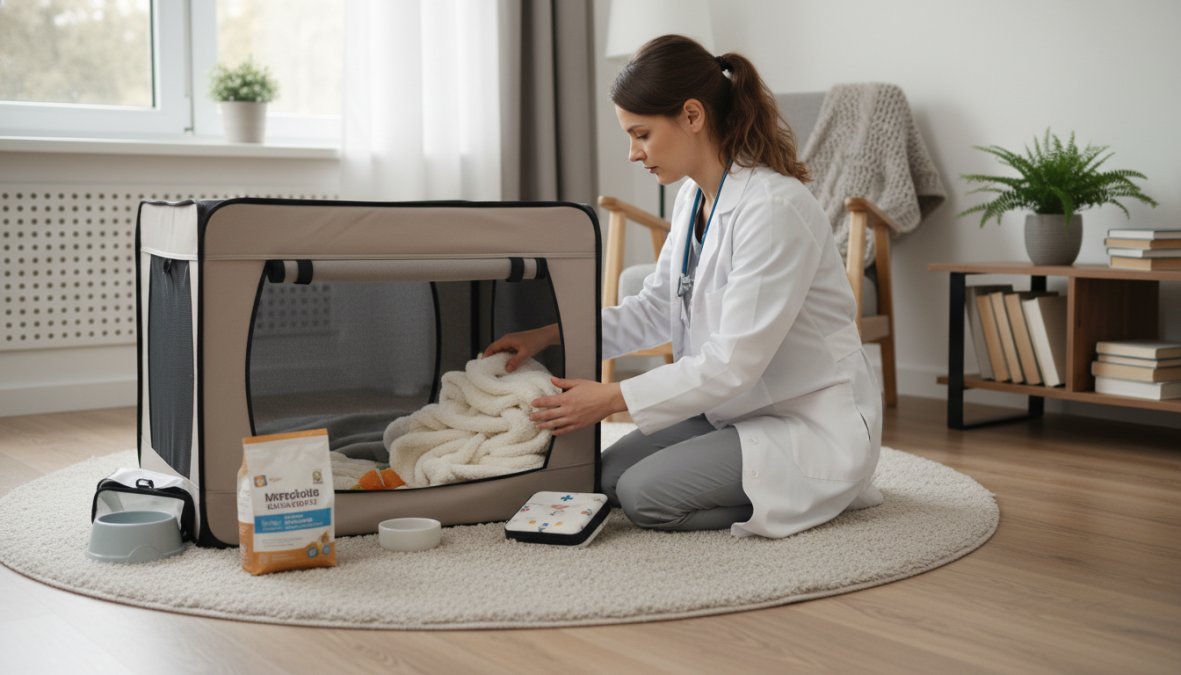
Remove furniture the dog might try to jump on, post-operative dogs frequently attempt to resume normal behavior before the incision has healed, and jumping is a leading cause of wound disruption. Baby gates work well for blocking stairs and furniture access. If your dog is not crate-trained and crate rest has been prescribed, begin acclimating them now, not the day of the procedure.
Post-Op Pain Management Logistics: What to Have Ready at Home
Pain management after surgery is an area where preparation directly affects recovery quality. Before surgery day, confirm:
-
You understand the dosing schedule and whether medication is given with food
-
You have a pill pocket or soft treat for hiding tablets if your dog is difficult to medicate
-
You know which pain signs indicate the current dose isn’t managing discomfort
-
You have a follow-up appointment scheduled for incision site monitoring
-
You understand activity restrictions and the expected duration of crate rest
A common mistake is stopping pain medication early because the dog “seems fine.” Dogs mask pain instinctively, and premature discontinuation leads to unnecessary discomfort and increased wound interference as the dog becomes more active. According to the Veterinary Information Network’s pain management guidelines for post-surgical patients, consistent pain management in the first 48 to 72 hours post-surgery is directly associated with faster recovery and lower complication rates.
Signs of Complications After Dog Surgery Every Owner Must Recognize
Signs of complications after dog surgery fall into two categories: those requiring an immediate emergency vet visit and those warranting a same-day call to your clinic.
Call your emergency vet immediately if you observe:
-
Pale, white, blue, or gray gums
-
Labored or rapid breathing that doesn’t resolve within minutes
-
Collapse or inability to stand
-
Uncontrolled bleeding from the incision site
-
Seizures or extreme disorientation hours after anesthesia should have cleared
Call your clinic the same day for:
-
Swelling, redness, or discharge at the incision site worsening over 24 hours
-
Your dog refusing all food and water for more than 24 hours post-surgery
-
Vomiting more than once after returning home
-
Excessive licking or chewing at the surgical site despite wearing a cone
-
Fever (rectal temperature above 103°F)
Check the incision site morning and evening for the first week. A small amount of bruising and mild swelling in the first 24 hours is normal; progressive redness, warmth, or foul odor is not. Take a photograph of the incision site on the day of discharge, this gives you a baseline to compare against if you’re unsure whether what you see on day three represents a change.
Financial Planning and Pet Insurance: How to Prepare for Surgery Costs
Surgery costs are a real barrier for many pet owners, and addressing them before scheduling reduces stress and improves decision-making. Many owners are caught off guard because they don’t account for pre-surgical diagnostics, anesthesia monitoring, pain medication, and follow-up visits, all separate line items from the base surgical fee.
The most effective financial preparation steps:
-
Request an itemized estimate before scheduling. A reputable surgical facility will provide a written cost breakdown covering anesthesia, monitoring, medications, and the procedure itself.
-
Review your pet insurance policy before the procedure. Many policies require a waiting period, and pre-existing conditions are typically excluded. If uninsured, CareCredit and similar veterinary financing programs are widely accepted.
-
Ask about payment plans. Locally owned surgical centers, including CorePet, are often more flexible on payment arrangements than large corporate veterinary chains.
Preparing a dog for surgery involves far more logistics, emotional management, and home preparation than clinical instructions typically convey. CorePet focuses exclusively in spay, neuter, and dental procedures, using modern surgical techniques and equipment to deliver safe, individualized care at reasonable costs. If you’re in Manchester, New Hampshire, or the surrounding area and looking for a surgical center that treats your pet as an individual, Book an Appointment with CorePet and get the preparation support your dog deserves.
Frequently Asked Questions
How long should a dog fast before surgery?
Most veterinarians recommend withholding food for 8 to 12 hours before general anesthesia to reduce the risk of aspiration if your dog vomits during sedation. Puppies, small breeds, and dogs with certain health conditions may have shorter fasting windows, so always confirm the exact fasting guidelines with your vet at the pre-surgical consultation. Never adjust fasting times on your own without professional guidance.
Can I give my dog water before surgery?
In many cases, small amounts of water are permitted up to a few hours before surgery, but this depends on your veterinarian's specific protocol. Some practices require complete fasting from both food and water after midnight. Always follow the instructions given during your dog's pre-surgical consultation. Keeping your dog hydrated in the days leading up to surgery supports healthy liver and kidney function and overall recovery outcomes.
What should I do the night before my dog's surgery?
The night before surgery, remove food according to your vet's fasting guidelines, keep your dog calm and comfortable, and avoid introducing new activities or stressors. Confirm the appointment time, gather any required paperwork such as the surgical consent form, and prepare a quiet recovery space at home. If your dog is on regular medication, check with your veterinarian about whether doses should be given or skipped before the procedure.
How do I prepare my home for my dog's post-surgery recovery?
Before your dog's surgery, set up a quiet, low-traffic recovery area with a comfortable bed or crate, easy access to water, and minimal stairs or jumping hazards. Have your post-op medications organized, an e-collar or recovery suit ready, and the emergency vet's contact information visible. Preparing this space in advance means you can focus entirely on your dog when you return home rather than scrambling for supplies after a stressful day.
What are the signs of complications after dog surgery I should watch for?
After surgery, monitor the incision site daily for excessive swelling, redness, discharge, or reopening. Other warning signs include persistent vomiting, loss of appetite beyond 24 hours, labored breathing, extreme lethargy, pale gums, or signs of pain that worsen rather than improve. If you notice any of these signs of complications after dog surgery, contact your veterinarian or an emergency vet immediately. Early intervention significantly improves recovery outcomes.
Are certain dog breeds at higher risk during anesthesia?
Yes. Brachycephalic breeds — such as Bulldogs, Pugs, French Bulldogs, and Boston Terriers — face elevated anesthetic risks due to their shortened airways, which can complicate breathing under general anesthesia. Giant breeds and dogs with known heart or liver conditions also require extra monitoring. Always disclose your dog's breed and full health history during the pre-surgical consultation so your veterinary team can adjust sedation protocols and monitoring accordingly.
This article was written using GrandRanker