Table of Contents
- Is Anesthesia Safe for Rabbits During Surgery?
- Rabbit Anesthesia Fasting Requirements Before Surgery
- Understanding Rabbit Surgery Risks and Complications
- How to Care for a Rabbit After Surgery
Last Updated: June 19, 2026
Rabbit owners often ask whether anesthesia is safe for rabbits during surgery. The honest answer is: yes, but rabbits carry higher anesthetic risk than dogs or cats, and preparation makes all the difference. This guide walks you through what that preparation looks like, what risks exist, and how to support your rabbit’s recovery. Note: the fasting rules for rabbits are the opposite of what most pet owners expect.
Is Anesthesia Safe for Rabbits During Surgery?
Rabbit anesthesia is generally safe when performed by a veterinary team experienced with exotic species, but rabbits present unique physiological challenges. Unlike dogs and cats, rabbits cannot vomit, which changes pre-surgical planning entirely. This means aspiration pneumonia from stomach contents is far less likely, but rabbits remain prone to respiratory complications, stress-induced cardiac events, and post-operative gut stasis.
The veterinary team’s experience matters enormously. Rabbits have sensitive respiratory systems and narrow airway anatomy that makes intubation technically difficult. A clinic with refined rabbit protocols will deliver safer outcomes than a general-practice clinic.
According to House Rabbit Society’s veterinary resources, rabbits should always be evaluated by a vet familiar with exotic animal physiology before surgery. Pre-operative blood tests identify underlying conditions that could complicate sedation.
Rabbit anesthesia is not inherently dangerous, but it demands higher preparation and monitoring than routine dog or cat procedures. The right veterinary team and proper pre-surgical steps separate safe outcomes from complications.
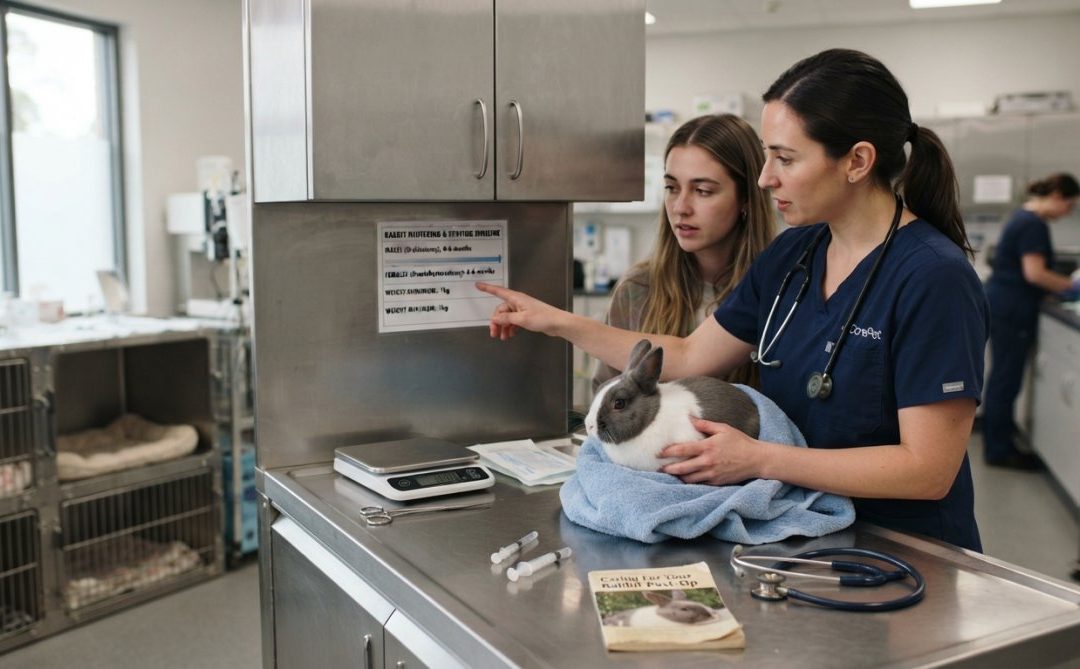
A clinic equipped for rabbit surgery offers rabbit-appropriate anesthetic agents, continuous monitoring of oxygen saturation and temperature during the procedure, and a clear post-operative warming protocol. Ask these questions before booking.
Rabbit Anesthesia Fasting Requirements Before Surgery
Here is where rabbit owners are routinely surprised: rabbits should NOT be fasted before surgery the way dogs and cats are.
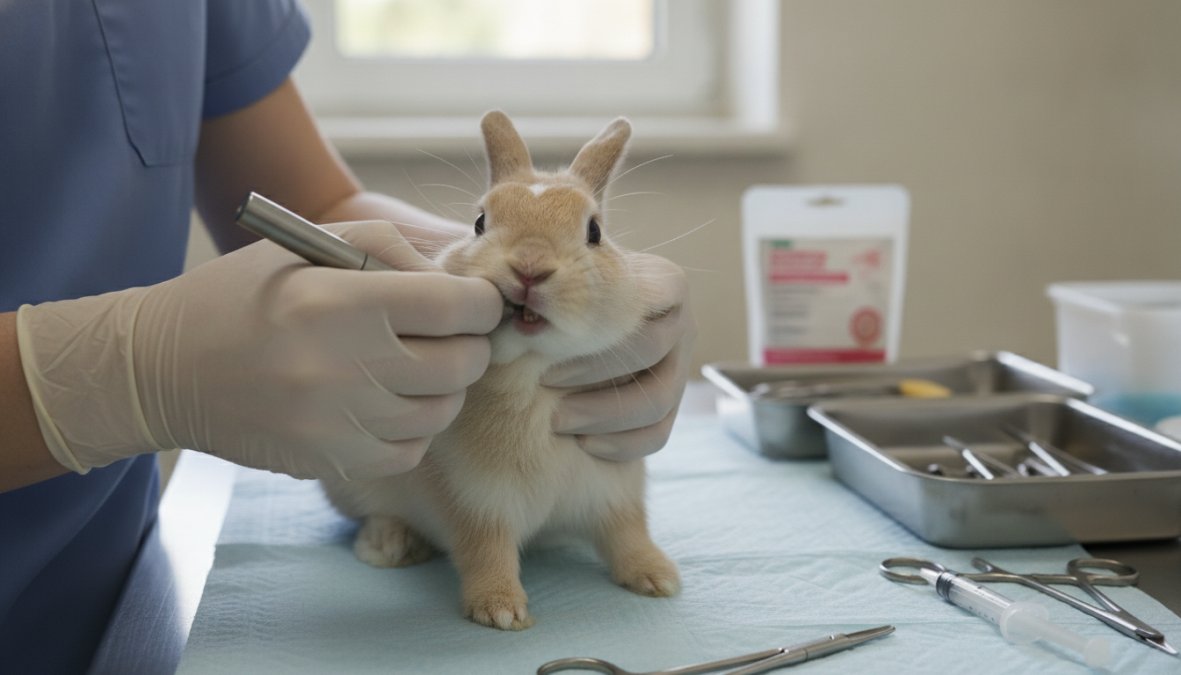
Because rabbits cannot vomit, aspiration risk during intubation is minimal. Withholding food for several hours before surgery can actually cause dangerous gut stasis, a life-threatening condition where the gastrointestinal tract slows or stops. Gut stasis is a known fasting trigger in rabbits.
Exotic animal veterinarians recommend allowing rabbits to eat their normal diet, including hay, right until admission. Water access should also be maintained unless your veterinarian instructs otherwise based on your rabbit’s individual health.
Never apply dog or cat fasting instructions to a rabbit. Withholding food for 8-12 hours before rabbit surgery can trigger gut stasis, a serious and potentially fatal complication. Always confirm fasting guidelines directly with your vet.
Pre-operative preparation should also include:
- A pre-surgical wellness exam and blood tests to assess organ function
- Confirmation that vaccinations are current
- A review of any medications your rabbit takes
- Completion of the clinic’s consent form documenting your awareness of anesthetic risks
Understanding Rabbit Surgery Risks and Complications
The biggest rabbit surgery risks are not the ones most owners worry about. While owners often fixate on anesthesia itself, the more common complications are post-operative: gut stasis, hypothermia, and pain-related stress.
During the procedure, primary concerns are:
- Respiratory depression from sedation, particularly if the rabbit is stressed
- Cardiac events triggered by pain or anesthetic agents
- Hypothermia, since rabbits lose body heat quickly on a surgical table
- Difficult intubation due to narrow airway anatomy
Immediately after surgery, watch for:
- Failure to recover from sedation within the expected timeframe
- Labored or irregular breathing
- Pale or bluish gums, signaling inadequate oxygenation
- Refusal to eat or drink within a few hours of returning home
In the days following surgery, gut stasis is the most serious risk. A rabbit that stops producing fecal pellets, refuses hay, or sits hunched with a bloated abdomen needs immediate veterinary attention.
As documented in AVMA guidelines on exotic animal anesthesia, continuous monitoring of heart rate, respiratory rate, and body temperature throughout surgical procedures is the standard of care for rabbits.
Bring a small amount of your rabbit’s favorite hay to the clinic on surgery day. Offering familiar food immediately after the rabbit wakes can help stimulate gut motility and reduce post-operative stasis risk.
How to Care for a Rabbit After Surgery
Post-surgery recovery for rabbits requires active attention during the first 24-72 hours. Signs of good recovery include: normal posture within a few hours, resumed hay consumption, fecal pellet production, and interest in surroundings. Any deviation warrants a call to your vet.
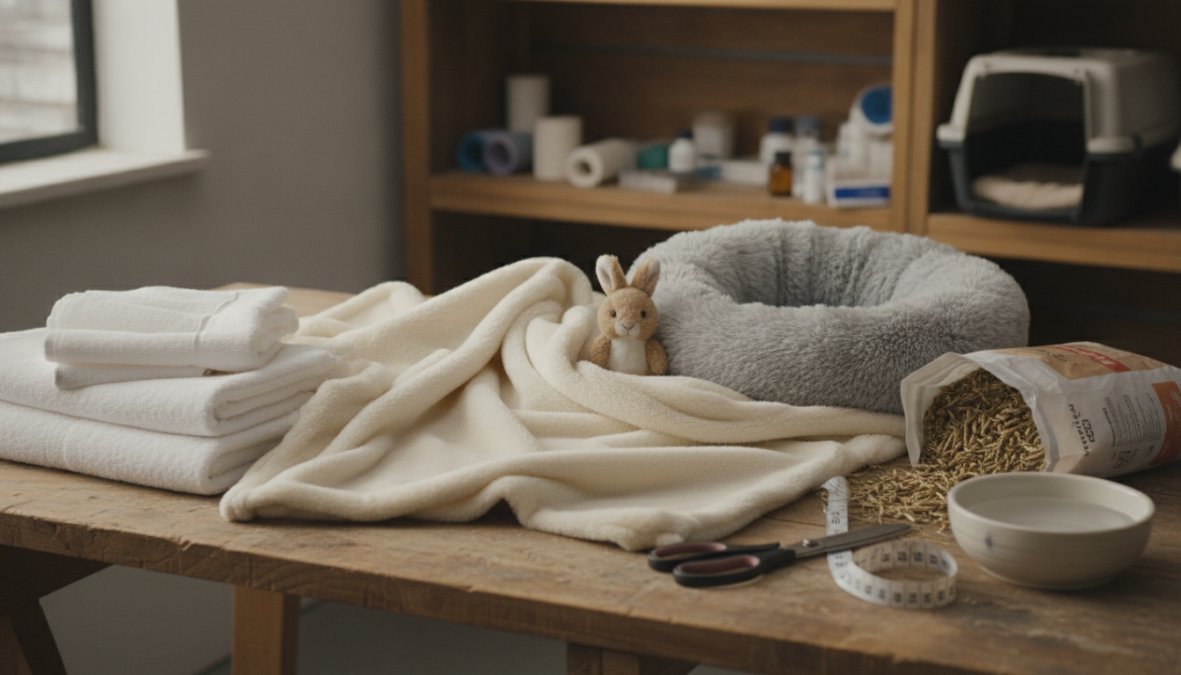
A practical post-anesthesia care checklist:
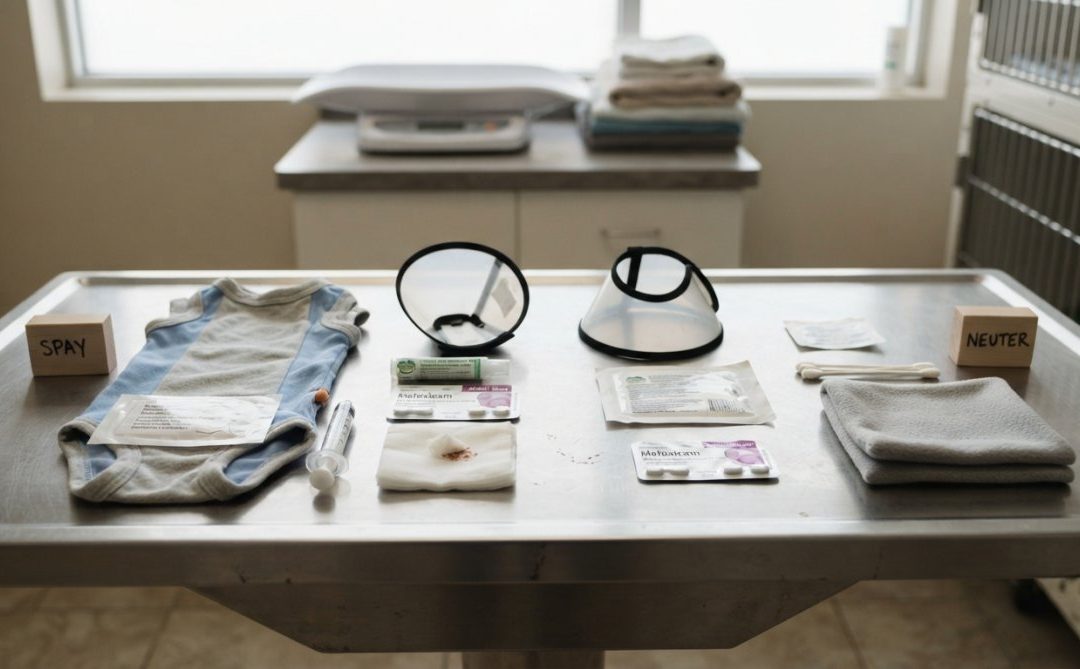
- Keep the rabbit in a warm, quiet space away from other pets and loud noise
- Maintain ambient temperature between 65-70°F to prevent hypothermia
- Offer fresh hay and water immediately upon return home
- Monitor fecal output every 4-6 hours for the first day
- Administer any prescribed pain medication on schedule
- Check the incision site twice daily for swelling, discharge, or redness
- Restrict jumping and running for the timeframe your vet specifies
- Follow the post-operative feeding schedule your clinic provides
The post-anesthesia feeding schedule is straightforward: hay immediately, fresh vegetables within 12-24 hours if eating normally, and pellets as usual once gut motility is confirmed.
Managing anxiety during the pre-surgical period matters too. Rabbits are prey animals and stress elevates baseline heart rate. Keeping them in a familiar carrier with familiar bedding and minimizing exposure to dogs and cats reduces pre-operative stress and improves anesthetic outcomes.
According to Merck Veterinary Manual guidelines on rabbit care, pain management after rabbit surgery is critical because untreated pain suppresses appetite and contributes directly to gut stasis. Never skip prescribed post-operative medication.
The question of whether anesthesia is safe for rabbits ultimately connects to the quality of care on both ends of the procedure. A skilled surgical team handles anesthetic risk. You handle the recovery environment. Both matter equally. If your rabbit needs a Spay Neuter Dental procedure, choosing a clinic with dedicated expertise in these common surgeries ensures your rabbit receives the specialized anesthetic protocols and post-operative monitoring that rabbits require.
Frequently Asked Questions
Is anesthesia safe for rabbits during surgical procedures?
Anesthesia for rabbits carries inherent risks due to their unique physiology, but modern veterinary techniques have made surgical procedures significantly safer. Rabbits are sensitive to certain anesthetic agents and sedation, which is why pre-operative blood tests and health screening are essential. A veterinarian experienced with rabbit anesthesia will use advanced monitoring equipment and carefully selected medications to minimize complications and ensure your rabbit's safety throughout the procedure.
What are the rabbit anesthesia fasting requirements before surgery?
Most veterinarians recommend fasting rabbits for 6-8 hours before surgery to ensure stomach emptying and reduce aspiration pneumonia risk. However, unlike dogs and cats, rabbits should not fast longer than 8-10 hours, as their digestive system is designed for continuous grazing. Your veterinary clinic will provide specific pre-operative instructions based on your rabbit's age, health status, and the type of surgical procedure. Always follow your veterinarian's guidance on admission time and fasting duration.
What are the signs of rabbit recovery after surgery?
Normal recovery includes gradually returning appetite within 24-48 hours, increased alertness, and resumption of normal grooming behavior. Your rabbit should be eating hay and pellets and producing normal droppings within 2-3 days. Watch for warning signs such as prolonged lethargy, refusal to eat, difficulty breathing, or excessive vomiting. Monitor the surgical site for swelling, discharge, or signs of infection. Most rabbits recover fully within 7-10 days, but individual timelines vary based on the procedure and post-operative care quality.
What are the main rabbit surgery risks I should know about?
Key risks include aspiration pneumonia (caused by stomach contents entering the respiratory system during intubation), complications from anesthesia sensitivity, and post-operative infection. Rabbits are also prone to gastrointestinal stasis if recovery is not managed properly, which can occur when pain or stress disrupts their digestive system. Proper pre-operative fasting, careful anesthetic selection, and diligent post-operative monitoring significantly reduce these risks. Choosing a veterinary clinic that focuses on rabbit surgical procedures ensures your pet receives specialized care tailored to their unique needs.
This article was written using GrandRanker