Last Updated: October 24, 2026
Quick Summary
Veterinary payment plans for pet owners split care costs into scheduled installments instead of one lump sum. Most plans fall into three buckets: in-house schedules set by the clinic, third-party installment lenders, and credit-card-based split payments. Ask which services are eligible before treatment starts, since approval is not full coverage.
- In-house plans are set by the clinic, so terms vary by practice.
- Third-party lenders approve you separately and pay the clinic directly.
- Card-split products draw on existing credit and suit owners with available credit.
- A payment plan does not lower the total cost of care; it moves the money around.
- A declined application is not the end of the road for owners seeking help.
Table of Contents
- How Veterinary Payment Plans for Pet Owners Work
- Payment Options for Spay and Neuter at CorePet
- Help Paying Vet Bills When You Are Declined or Lack Credit
- Frequently Asked Questions
How Veterinary Payment Plans for Pet Owners Work
Veterinary payment plans for pet owners split care costs into scheduled installments instead of one lump sum. CorePet, a locally owned surgery center in New Hampshire, sees the difference these plans make when an unexpected bill lands. According to a 2025 observational study of 16 veterinary clinics, expanded payment options change how clients approach treatment decisions. Most plans fall into three buckets: in-house schedules, third-party installment lenders, and credit-card-based split payments. Readers can review and apply for Cherry payment plans directly.
In-house plans are set by the clinic, so terms vary. Third-party lenders approve you separately and pay the clinic directly. Card-split products draw on existing credit. Ask which services are eligible before treatment starts, approval is not full coverage. Transparent surgical pricing is worth reviewing before you sign anything, since a clear quote tells you exactly what the plan needs to cover.
| Plan type | Who sets terms | Typical term length | Best for |
|---|---|---|---|
| In-house plan | The clinic | Varies by practice | Routine and planned surgery |
| Third-party installment | Outside lender | Multi-month to multi-year | Larger bills, flexible terms |
| Card-split payment | Your existing card issuer | Short installments | Owners with available credit |
Pet insurance works differently from financing. The NAIC guide to pet insurance notes that owners usually pay the veterinarian directly and then seek reimbursement, and deductibles, copays, and limits vary by policy.
Transparent surgical pricing is worth reviewing before you sign anything, since a clear quote tells you exactly what the plan needs to cover. Cherry payment plans outlines one option readers can review and apply for directly.
Payment Options for Spay and Neuter at CorePet
Spay and neuter services at CorePet are quoted individually, as pricing depends on species, weight, and whether dental work is bundled. Ask about plans when scheduling, not after.
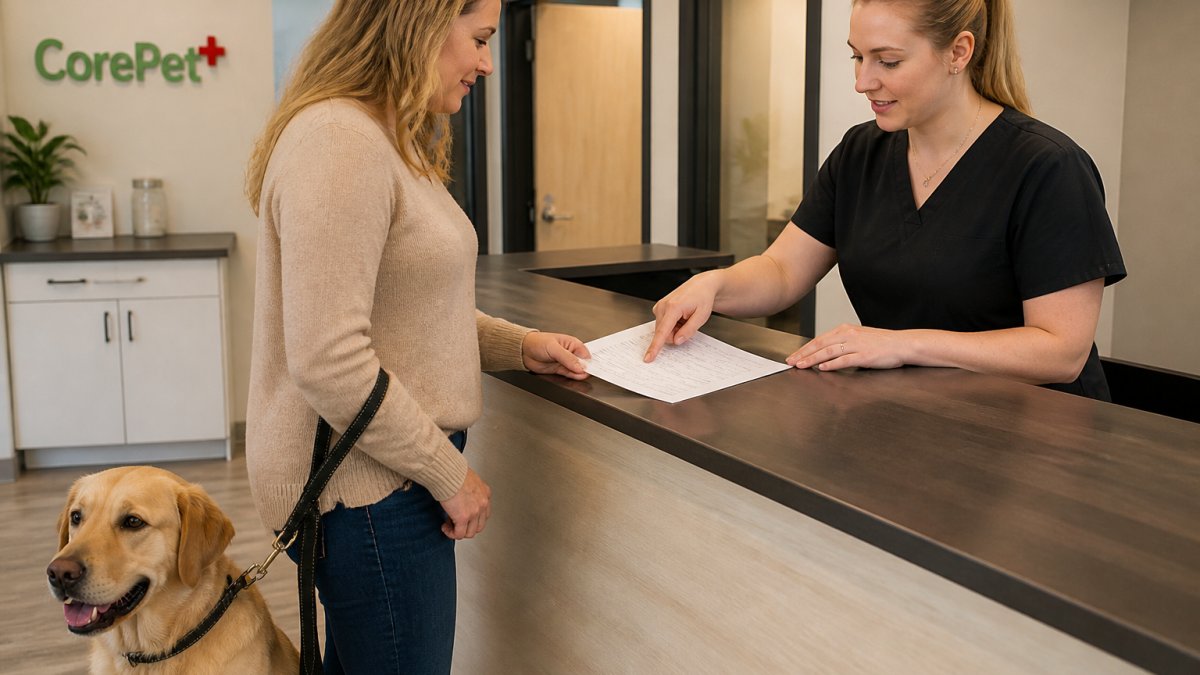
Ask whether the quote includes bloodwork, anesthesia, pain medication, and the surgical fee, what happens if the procedure is rescheduled, and whether early payoff carries penalties. Affordable spay and neuter options in New Hampshire covers local pricing considerations in more detail. Affordable spay and neuter options in New Hampshire covers local pricing considerations in more detail.
Help Paying Vet Bills When You Are Declined or Lack Credit
A declined application is not the end of the road. A dvm360 survey reported that fewer than one in four owners had ever been offered a payment plan, while roughly four in ten could not afford care.
Start with the clinic: in-house schedules often skip the credit check third-party lenders require. Then widen the search: Low-cost spay and neuter clinics lists alternatives when financing falls through, Low-cost neuter services in New Hampshire covers regional options, and nonprofit assistance programs and breed-specific rescues sometimes fund procedures. Research published through the University of Minnesota’s AgEcon Search found U.S. pet owners show a strong preference for discounts and promotions, so ask about any reduced-fee days before assuming financing is the only path.
One honest limitation: a payment plan does not lower the total cost of care. It moves the money around.
Frequently Asked Questions
How do veterinary payment plans work?
Veterinary payment plans split a bill into installments instead of requiring full payment at checkout. Some are practice-controlled plans set by the clinic, while others are third-party financing products with their own application and approval process. Terms vary widely: some providers advertise 12- to 24-month plans, and others offer shorter or longer repayment windows. Always confirm the interest rate, fees, and minimum monthly payment before you sign, and ask whether the plan covers the specific procedure your pet needs.
What can I do if I can’t afford to pay the vet?
Start by asking the clinic directly about payment options for spay and neuter or other procedures before treatment begins. A survey reported that fewer than one in four owners had ever been offered a payment plan, so it pays to ask. If you are declined for financing, ask about practice-controlled installment plans, compare promotional financing with 0% APR, and check whether local assistance resources apply to you. Getting a written quote first helps you see the total cost and choose a plan you can realistically repay.
Can pet insurance help pay for a planned procedure?
Pet insurance for planned procedures usually works by reimbursement rather than direct payment. The NAIC guide notes that in most cases pet owners pay the veterinarian directly, and insurance plans vary in deductibles, copayments, and limits. That means you still need a way to cover the bill upfront, then file a claim. For an immediate bill, financing or a practice payment plan may be more practical, while insurance can offset costs over time if the procedure is covered under your policy.
The gap between what care costs and what owners can pay today is the real problem, and it does not disappear on its own. CorePet focuses exclusively on spay, neuter, and dental procedures for dogs, cats, and rabbits, with modern surgical equipment and individualized care at reasonable costs. If a bill is coming and the number is unclear, get the quote first. Book an appointment with CorePet and know the total before the procedure, not after.