Table of Contents
- Why Can’t My Pet Eat Before Anesthesia? The Real Risks
- How Long to Withhold Food Before Pet Surgery
- What to Do If Your Pet Ate Before Surgery
- Risks of Aspiration in Pets Under Anesthesia and How to Prevent Them
Last Updated: June 18, 2026
The question of whether can my pet eat before anesthesia gets asked by nearly every pet owner facing a scheduled surgery, and the answer matters more than most people realize. At CorePet, our surgical team in Manchester, New Hampshire sees the consequences of pre-operative feeding mistakes firsthand. Fasting before anesthesia is not a bureaucratic formality, it is a direct patient safety measure that protects your pet’s airway, respiratory system, and life.
Why Can’t My Pet Eat Before Anesthesia? The Real Risks
Pets under anesthesia cannot eat before surgery because sedation drugs suppress the gag reflex. When a pet vomits under anesthesia, nothing stops that material from entering the respiratory system.
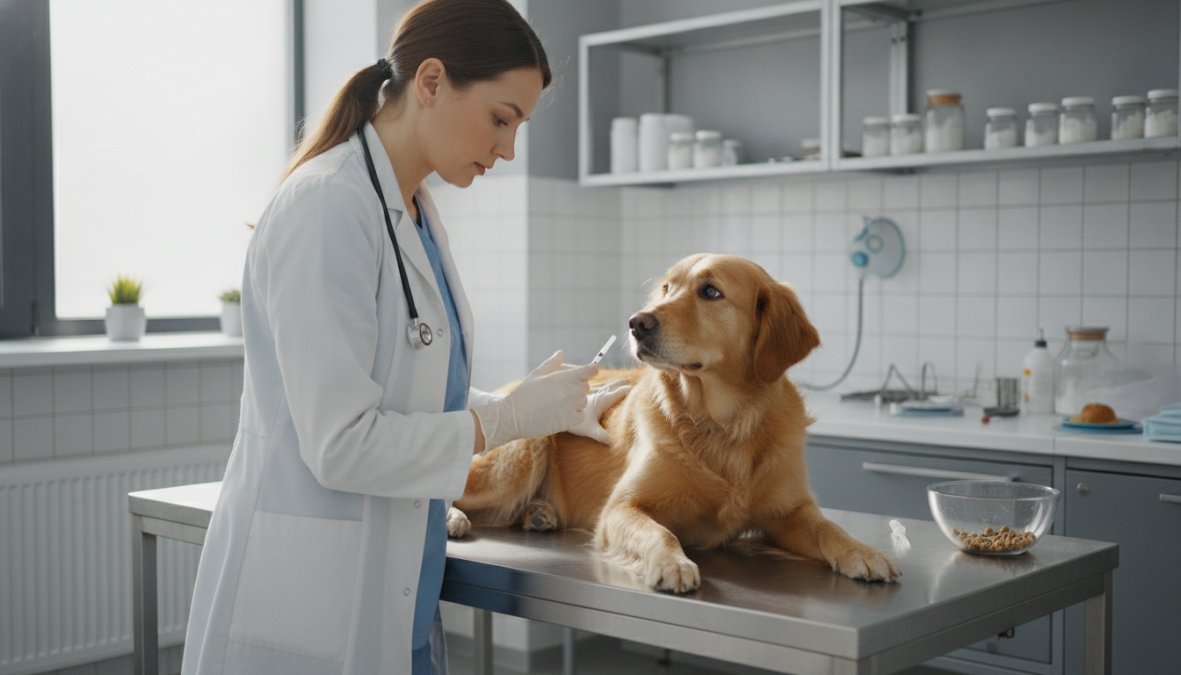
The condition that results is called aspiration pneumonia. Aspiration pneumonia is a serious, often life-threatening lung infection caused by inhaling vomited stomach contents during or after anesthesia. It requires aggressive treatment, extended hospitalization, and carries a real risk of death even with intervention.
A pet may silently aspirate without visible vomiting, with inflammation only becoming apparent hours later as breathing becomes labored. Anesthetic agents also relax the lower esophageal sphincter, allowing passive reflux directly into an unprotected airway. According to American College of Veterinary Anesthesia and Analgesia guidelines, pre-anesthetic fasting is one of the foundational safety protocols in veterinary surgery, a young dog undergoing a routine spay is just as vulnerable as an older animal.
Never assume a “minor” procedure means fasting rules can be relaxed. Aspiration pneumonia can develop even during short anesthetic events. Skipping the fast to avoid a difficult morning with a hungry pet is not worth the risk.
How Long to Withhold Food Before Pet Surgery
The standard fasting guideline for adult dogs and cats is no food for 8 to 12 hours prior to the scheduled admission time, balancing adequate stomach emptying against risks like hypoglycemia.
For adult dogs:
- Withhold food for 8 to 12 hours before the scheduled procedure
- Water is typically allowed until 2 to 4 hours before admission (confirm with your veterinary clinic)
- Brachycephalic breeds such as bulldogs, pugs, and French bulldogs face elevated aspiration risk and may require stricter fasting protocols
For adult cats:
- Withhold food for 8 to 12 hours, with some clinics recommending closer to 6 hours to reduce hypoglycemia risk
- Cats are more prone to low blood sugar during extended fasts
- Remove food bowls the night before surgery to prevent overnight grazing
For puppies and kittens:
Puppies and kittens under 12 weeks old have limited glycogen reserves, and prolonged fasting can cause dangerous drops in blood glucose. Most protocols recommend fasting no more than 4 hours, with some clinics allowing a small amount of food up to 2 to 4 hours before the procedure. Always confirm the specific timeline with your veterinary team.
Breed-specific considerations worth knowing:
Toy breeds and miniature dogs (Chihuahuas, Yorkshire Terriers, Miniature Dachshunds) share the same hypoglycemia vulnerability as puppies. Your veterinarian may recommend a shorter fast, particularly if the procedure is scheduled in the afternoon.
As documented in Cornell University College of Veterinary Medicine pre-anesthetic guidance, water access is generally maintained until closer to the procedure because dehydration adds its own complications to anesthetic management.
Ask your veterinary clinic for written pre-operative instructions when you book the appointment, not the day before. This gives you time to plan feeding schedules, especially if you have multiple pets and need to separate them overnight.
| Patient Type | Food Fast Duration | Water Access | Special Note |
|---|---|---|---|
| Adult dogs | 8-12 hours | Until 2-4 hrs before | Brachycephalic breeds need stricter protocols |
| Adult cats | 6-12 hours | Until 2-4 hrs before | Monitor for hypoglycemia |
| Puppies/kittens | 2-4 hours | Until 1-2 hrs before | Confirm exact timing with your vet |
| Toy/miniature breeds | 4-6 hours | Until 2 hrs before | Higher hypoglycemia risk |
What to Do If Your Pet Ate Before Surgery
Call your veterinary clinic immediately. Do not wait until you arrive for the admission appointment, and do not assume the procedure can proceed on schedule.
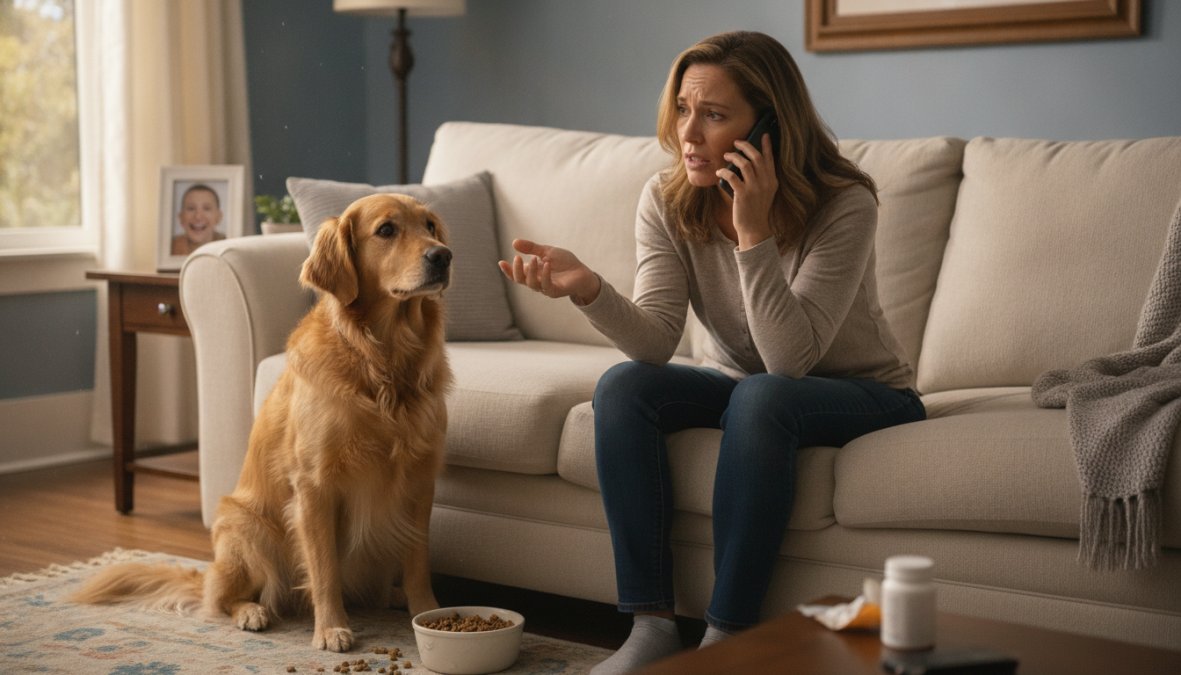
Veterinary teams can adjust the surgical plan when they know about a feeding incident in advance. They cannot protect your pet from aspiration pneumonia if they do not know the stomach is full.
What to tell the clinic when you call:
- What your pet ate (dry kibble, wet food, treats, a large or small amount)
- Approximately what time they ate
- Your pet’s weight and breed
- The scheduled procedure and admission time
What happens next depends on the clinical assessment:
- If the meal was small and occurred many hours ago, the procedure may proceed with heightened monitoring
- If the meal was recent or substantial, the surgery will almost certainly be rescheduled
- In some cases, the veterinarian may recommend additional pre-operative assessment before making the call
The common mistake is underreporting. Pet owners sometimes minimize what their pet ate to avoid rescheduling inconvenience, but this puts the animal at direct risk. Veterinary teams need accurate information to make a safe decision.
If your pet ate before surgery, honesty with your veterinary team is the only correct response. Rescheduling is a minor inconvenience. Aspiration pneumonia is a medical emergency that can be fatal.
Risks of Aspiration in Pets Under Anesthesia and How to Prevent Them
Aspiration risk is highest at two moments: during induction and during recovery when airway reflexes are returning but not yet fully functional. Prevention operates on multiple levels simultaneously.
Pre-operative prevention:
- Strict adherence to fasting guidelines is the primary defense
- Accurate patient history allows the anesthetic team to adjust their approach
- Pre-operative blood tests can identify conditions that slow stomach emptying and warrant extended fasting
Intraoperative prevention:
- Endotracheal intubation physically blocks inhaled material from reaching the lungs
- Positioning reduces passive reflux
- Continuous monitoring catches early signs of regurgitation before aspiration occurs
Recovery phase prevention:
- Pets are not extubated until they show strong swallowing reflexes
- Post-anesthesia feeding is introduced gradually: offer small amounts of water 2 to 4 hours after the pet is fully awake, then a small bland meal (boiled chicken and rice) that evening or the following morning, returning to normal diet over 24 to 48 hours
According to AVMA veterinary anesthesia safety resources, recovery monitoring is as critical as intraoperative monitoring because aspiration events can occur as the animal regains consciousness. No monitoring system eliminates the hazard of a full stomach under anesthesia, the fast is the foundation everything else builds on.
Pre-surgical preparation is one of the most controllable factors in your pet’s surgical outcome, and most complications from anesthesia in otherwise healthy animals are preventable. CorePet’s Manchester, New Hampshire surgery center focuses exclusively on Spay Neuter Dental procedures, which means our team performs these protocols every day with consistent, practiced precision. We use modern surgical techniques and individualized care plans to ensure your pet’s safety from the pre-operative consent form through post-anesthesia recovery. Book an appointment with CorePet and give your pet the preparation and care their surgery deserves.
Frequently Asked Questions
Why can't my dog or cat eat before anesthesia?
When a pet is placed under anesthesia, the gag reflex is suppressed. If there are stomach contents present, vomiting can occur during intubation or sedation, and those contents can be inhaled into the respiratory system, a life-threatening condition called aspiration pneumonia. Pre-operative fasting ensures the stomach is empty, dramatically reducing this risk and making surgical procedures far safer for your pet.
How long should I withhold food before my pet's surgery?
Most veterinarians recommend withholding food for 8-12 hours before surgery for adult dogs and cats. This allows adequate time for stomach emptying. Puppies and kittens may require shorter fasting windows, often 4-6 hours, due to their smaller size and faster metabolism. Always follow the specific pre-operative instructions provided by your veterinary clinic, as fasting times can vary based on the procedure, your pet's age, and breed.
What should I do if my pet accidentally ate before surgery?
Call your veterinary clinic immediately and let them know what your pet ate, how much, and when. Do not assume it is fine to proceed. Depending on the admission time and the amount consumed, your veterinarian may reschedule the procedure to allow full stomach emptying. Proceeding with anesthesia on a pet with a full stomach significantly raises the risk of aspiration, so transparency with your vet is critical to your pet's surgical safety.
Can my pet drink water before anesthesia?
In most cases, pets can have access to water up until a few hours before their scheduled surgery, typically until midnight or up to 2 hours before admission time. Water does not carry the same aspiration risk as solid food since it clears the stomach quickly. However, your veterinarian's specific pre-operative instructions take priority. Always confirm the water guidelines when you receive your consent form and pre-surgical preparation details.
Is fasting before anesthesia different for puppies and kittens?
Yes. Puppies and kittens have less body fat and faster metabolisms, making them more vulnerable to low blood sugar (hypoglycemia) during long fasting periods. Veterinarians typically recommend a shorter NPO (nil per os) window of around 4-6 hours for very young pets rather than the standard 8-12 hours for adults. If your pet is a puppy, kitten, or a toy breed prone to hypoglycemia, discuss a tailored fasting plan with your veterinarian before the procedure.
What can my pet eat after recovering from anesthesia?
After surgery, most veterinarians recommend offering a small amount of water first, then a light bland diet, such as plain boiled chicken and rice, before returning to regular food. Your pet's appetite may be reduced for 12-24 hours post-surgery due to residual sedation effects. Avoid large meals immediately after anesthesia to prevent nausea and vomiting. Follow the post-surgery recovery instructions from your veterinary team for the safest reintroduction of food.
This article was written using GrandRanker