Table of Contents
- Is Pet Dental Cleaning Worth It? The Verdict
- Signs of Dental Disease in Pets You Shouldn’t Ignore
- Pet Dental Cleaning Cost: What You’ll Actually Pay
- How to Brush Dog Teeth: A Practical At-Home Alternative
Is Pet Dental Cleaning Worth It? A 2026 Guide
Last Updated: July 2, 2026
Is pet dental cleaning worth it? Professional pet dental cleaning delivers measurable health benefits, but the decision depends on your pet’s current oral health status and your ability to maintain prevention at home. For pets showing signs of periodontal disease or significant plaque buildup, professional cleaning is necessary intervention. For young, healthy pets with excellent at-home care, prevention through brushing may delay or eliminate the need for professional procedures.
The real question isn’t whether cleaning is "worth it" in absolute terms, it’s whether your pet needs it now, and whether you can prevent future problems through maintenance.
Professional dental cleaning becomes medically necessary once periodontal disease develops. Prevention through daily brushing and appropriate diet can delay or prevent this need entirely.
Most veterinary professionals recommend a baseline professional cleaning between ages 2-4, depending on breed predisposition. Small breeds like Chihuahuas and Toy Poodles develop dental issues faster and benefit from earlier intervention. The procedure uses modern anesthesia and ultrasonic scaling to remove biofilm and calculus from above and below the gum line, areas where at-home brushing cannot reach.
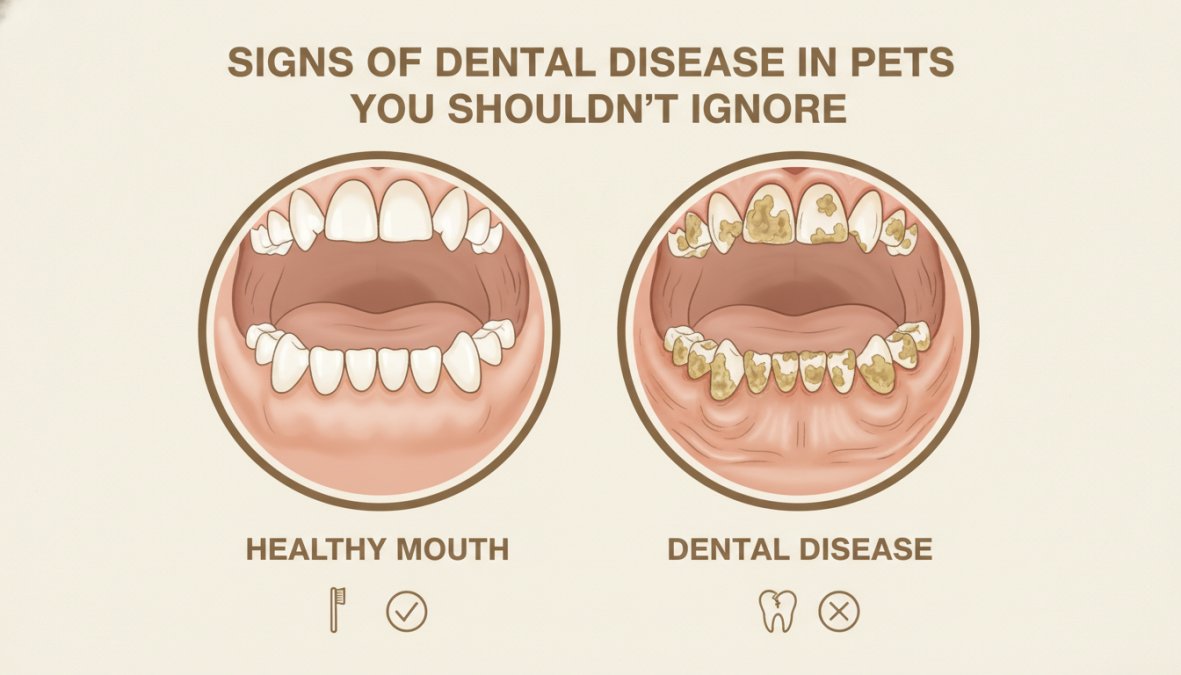
Signs of Dental Disease in Pets You Shouldn’t Ignore
Bad breath is the most obvious signal of dental disease, but many pet owners mistake it for normal "dog breath." Look for these specific indicators that warrant a veterinary examination:
- Visible tartar or discoloration on tooth surfaces, especially near the gum line
- Red, swollen gums that bleed when touched
- Loose or missing teeth in pets over 2 years old
- Pawing at the mouth or reluctance to eat hard food
- Excessive drooling beyond your pet‘s normal pattern
Periodontal disease progresses through stages. Early gingivitis shows as gum redness and mild inflammation. Without intervention, it advances to periodontitis, where infection damages the bone supporting tooth roots, leading to tooth loss.
Bacteria from infected gums enter the bloodstream and can damage the kidneys, liver, and heart. Pets with existing kidney or liver disease face accelerated complications when dental disease goes untreated.
Persistent bad breath in pets is not normal. It signals bacterial infection that progresses deeper into gum tissue and bone if left untreated, making treatment more complex and expensive.
Pet Dental Cleaning Cost: What You’ll Actually Pay
Professional dental cleaning costs vary based on your pet’s size, disease severity, and whether extractions become necessary. A routine prophylaxis for a healthy pet typically costs less than treatment for advanced periodontal disease requiring extractions. The procedure involves general anesthesia, ultrasonic scaling, polishing, and post-operative pain management.
| Factor | Impact on Price |
|---|---|
| Pet size (small vs. large) | Larger pets require more anesthetic and longer procedure time |
| Disease severity | Advanced periodontitis requires additional time and expertise |
| Tooth extractions needed | Each extraction adds to the total cost |
| Radiographic imaging | Full-mouth radiographs reveal hidden disease below the gum line |
| Post-operative medications | Pain management and antibiotics extend beyond the procedure |
Investing in professional cleaning early, before advanced disease develops, costs significantly less than treating a senior pet with multiple extractions and systemic complications.
Ask your veterinary clinic about their anesthesia protocols. Modern anesthetics are remarkably safe, with pre-operative bloodwork and monitoring reducing risks substantially. The danger of untreated dental disease far exceeds the minimal risk of professional cleaning.
Some pet health insurance plans include preventive dental care, while others cover only disease treatment. Check your policy before scheduling. Many clinics also offer payment plans for larger procedures. If you’re considering spaying or neutering your pet, some veterinary practices bundle these procedures with dental care through services like Spay Neuter Dental, which can provide cost savings when multiple procedures are performed together.
How to Brush Dog Teeth: A Practical At-Home Alternative
Daily brushing is the single most effective prevention strategy available. It removes biofilm before it hardens into tartar and controls bacterial populations. Here’s how to do it correctly:
Step 1: Choose the Right Tools
Select a soft-bristled toothbrush designed for pets. Use only veterinary-formulated pet toothpaste, human toothpaste is toxic to pets. Most pet toothpastes are flavored to encourage cooperation.
Step 2: Introduce Gradually
Start by letting your pet lick toothpaste off your finger. Once comfortable, gently touch their gums and teeth with your finger before introducing the brush.
Step 3: Begin Brushing
Angle the brush at 45 degrees to the gum line. Use gentle circular motions rather than horizontal scrubbing. Focus on outer tooth surfaces where biofilm accumulates most heavily.
Step 4: Make It Routine
Two minutes of daily brushing prevents more disease than 10 minutes once weekly. Schedule brushing at the same time each day so it becomes habitual.
If your pet resists brushing, start even more gradually. Some animals need weeks of desensitization before accepting a brush in their mouth. Patience now prevents dental disease later.
Brushing alone doesn’t replace professional cleaning once disease is present, but it dramatically slows progression and may prevent the need for cleaning altogether in young, healthy pets. Dental chews with the VOHC (Veterinary Oral Health Council) seal provide supplementary benefit. Water additives that reduce bacterial growth in the oral cavity represent another supportive strategy when combined with daily brushing.
Professional pet dental cleaning addresses disease that prevention couldn’t stop. Prevention itself, daily brushing, appropriate diet, and regular veterinary examination, remains your most cost-effective strategy. When your pet shows signs of dental disease, professional cleaning stops progression, eliminates infection, and restores comfort. Schedule a veterinary examination to assess your pet’s current oral health status and create a personalized prevention plan.
Frequently Asked Questions
How often do dogs and cats need professional pet dental cleaning?
Most pets benefit from professional dental cleaning every 1-3 years, depending on age, breed, and individual oral health. Older pets and those with early signs of periodontal disease may need annual cleanings. Your veterinarian can recommend a schedule based on your pet's specific needs and risk factors.
What are the risks of not getting pet dental cleaning?
Skipping professional dental care allows plaque and tartar to accumulate, leading to gingivitis, periodontal disease, and eventually tooth loss. Untreated oral bacteria can also enter the bloodstream, affecting kidney, liver, and heart health. Early intervention through professional cleaning prevents costly and painful complications later.
Can I clean my pet's teeth at home instead of professional cleaning?
Regular at-home brushing is excellent preventive care and reduces the frequency of professional cleanings. However, brushing alone cannot remove calculus (hardened tartar) or reach below the gum line where bacteria accumulate. Most pets still benefit from periodic professional cleaning to address deep periodontal issues and detect oral tumors or other abnormalities.
What happens during a professional pet dental cleaning procedure?
Professional cleaning involves anesthesia, ultrasonic scaling to remove plaque and calculus, polishing, and oral examination. Your veterinarian checks for tooth decay, gum inflammation, malocclusion, and other dental disease. Many facilities in Bedford, New Hampshire, like those focusing on dental procedures, use modern equipment to ensure safe, thorough prophylaxis and individualized care.
Is anesthesia-free pet dental cleaning a safe alternative?
Anesthesia-free cleaning cannot access areas below the gum line where most dental disease occurs, making it less effective for treating periodontal disease. Veterinarians recommend anesthesia-assisted cleaning because it allows thorough scaling, reduces stress on your pet, and enables complete oral examination. Always discuss options with your veterinarian before deciding.
This article was written using GrandRanker