Table of Contents
- How Long Does a Dog Neuter Take? Surgery Time vs. Total Clinic Stay
- What Happens During a Dog Neuter Surgery
- Preparing Your Dog for Neuter Surgery
- Dog Neuter Recovery Time: What to Expect Over 14 Days
- Dog Neuter Aftercare Tips: Your Day-by-Day Survival Guide
- Warning Signs: When to Call Your Vet After Neutering
- Benefits of Neutering and Financial Planning for the Procedure
- Conclusion
Last Updated: May 26, 2026
How Long Does a Dog Neuter Take? Surgery Time vs. Total Clinic Stay
Knowing how long does dog neuter take is the first thing most pet owners want answered before booking the procedure. This guide from CorePet breaks down the full picture: the surgery itself, the clinic stay, and the 14-day recovery window that actually determines how smoothly your dog heals. The short answer surprises many owners. The surgery is fast. The total day is not.
Here’s what most guides get wrong: they quote only the surgical time and leave owners unprepared for the four to six hours their dog may spend at the clinic. That gap between expectation and reality is where anxiety lives.
The Surgical Procedure Itself
A routine canine castration typically takes between 15 and 30 minutes from the first incision to the final suture. The procedure involves removing both testicles through a small incision in front of the scrotum. A skilled veterinary team working with modern equipment can complete an uncomplicated neuter in under 20 minutes for a healthy adult dog.
Complications, unusual anatomy, or a retained (undescended) testicle can extend surgical time considerably. Cryptorchid neuters, where one or both testicles are located in the abdomen, require a more involved abdominal incision and may take 45 to 90 minutes.
Pre-Surgery Prep and Post-Op Monitoring Time
The surgical window is only one piece of the timeline. Before your dog enters the operating room, the veterinary team completes a pre-anesthetic exam, places an IV catheter, and administers sedation. This intake process typically adds 30 to 60 minutes.
After surgery, your dog moves to a recovery area where staff monitor vital signs, pain levels, and anesthesia clearance. Most dogs spend one to three hours in post-operative monitoring before they are stable enough to go home. Add intake, surgery, and recovery together, and a same-day outpatient procedure commonly runs four to six hours total.
Drop your dog off with their vaccination records and fasting confirmation ready. Clinics that specialize exclusively in spay and neuter procedures, like CorePet, run tighter schedules precisely because the entire workflow is built around these procedures.
What Happens During a Dog Neuter Surgery
Dog neuter surgery is a sterilization procedure performed under general anesthesia that permanently removes a male dog’s testicles, eliminating the primary source of testosterone and reproductive capability. The procedure is classified as an outpatient procedure, meaning dogs go home the same day.
Anesthesia and Sedation
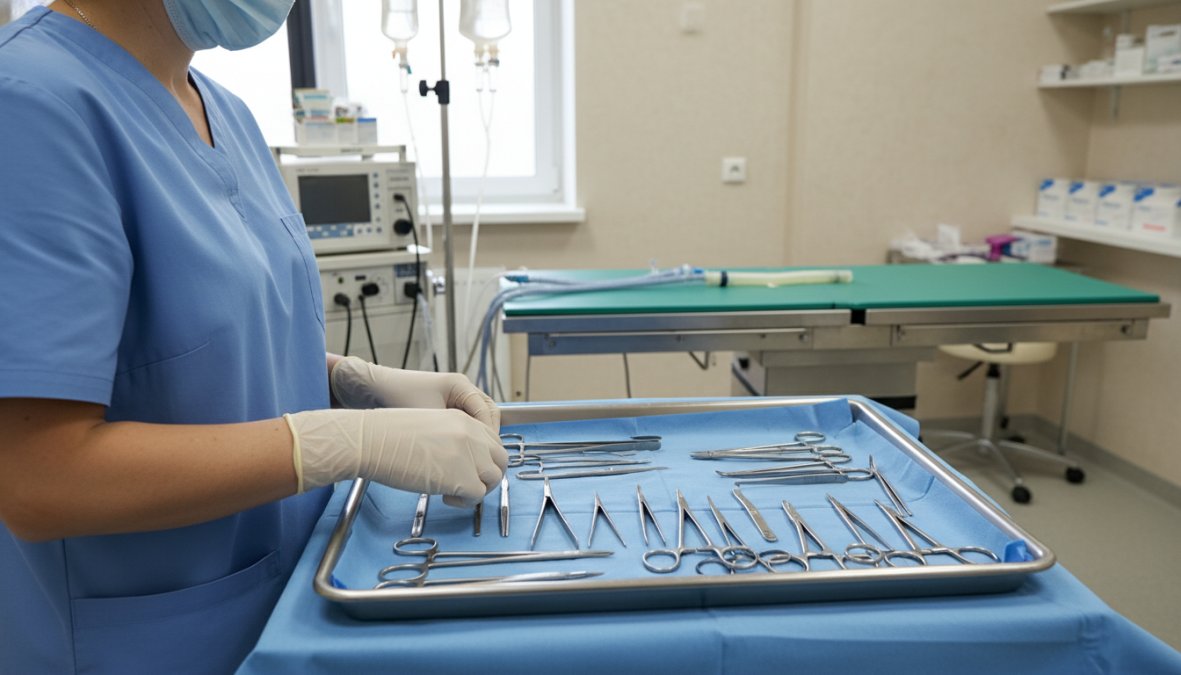
Anesthesia is the part that makes most owners nervous, and reasonably so. The process begins with a pre-anesthetic sedation injection that calms the dog and reduces the amount of general anesthesia required. Once sedated, the team places an endotracheal tube to maintain an open airway and delivers inhalant anesthesia throughout the procedure.
A licensed veterinarian or trained technician monitors heart rate, respiratory rate, blood oxygen levels, and blood pressure continuously during surgery. According to the American Veterinary Medical Association’s guidance on anesthesia safety, pre-anesthetic bloodwork and individualized drug protocols significantly reduce anesthetic risk, particularly in older or higher-weight dogs.
Pain management begins before the incision. Pre-operative pain medication reduces intraoperative stress and improves post-operative comfort, which directly affects recovery speed.
The Castration Procedure Step by Step
Understanding the sequence helps owners set realistic expectations.
- Pre-surgical preparation: The scrotal and inguinal area is clipped and cleaned with antiseptic solution.
- Anesthesia induction: General anesthesia is administered and the dog is positioned on the surgical table.
- Incision: A single small incision is made in the skin in front of the scrotum.
- Testicle removal: Each testicle is exteriorized through the incision, the spermatic cord and blood vessels are ligated, and the testicle is removed.
- Closure: The incision is closed in layers using absorbable sutures internally and either absorbable or non-absorbable sutures at the skin surface.
- Recovery: The dog is moved to a monitored recovery area as anesthesia wears off.
The scrotum itself is not removed during a standard neuter. It will shrink over the weeks following surgery, though some residual scrotal tissue may remain permanently in adult dogs.
Preparing Your Dog for Neuter Surgery
Preparation is where owners have the most direct influence over surgical outcomes. A well-prepared dog enters surgery in a lower-stress physiological state, responds more predictably to anesthesia, and recovers faster. Most preventable complications trace back to preparation failures, skipped fasting, missed medication disclosures, or a dog that arrived at the clinic in a high-cortisol state from a chaotic morning.
Fasting: The Non-Negotiable Rule and Why It Matters
Food must be withheld for eight to twelve hours before surgery. This is not a precautionary formality, it is a direct safety requirement. General anesthesia suppresses the gag reflex and relaxes the esophageal sphincter. A dog with food in its stomach can passively regurgitate stomach contents into the airway, causing aspiration pneumonia, which is a serious and potentially fatal complication.
The specific fasting window your clinic requires may vary based on your dog’s age and size:
- Adult dogs (over 6 months): Eight to twelve hours of food restriction is standard. A common practical approach is to remove food after the evening meal the night before a morning surgery appointment.
- Puppies under 12 weeks: Puppies have limited glycogen reserves and are at risk for hypoglycemia (low blood sugar) during extended fasting. Many veterinarians recommend a shorter fast of four to six hours for very young patients and may request a glucose check on arrival. Confirm the exact protocol with your clinic if your dog is under four months old.
- Small and toy breeds: Similarly, very small dogs have less metabolic reserve than larger breeds. If your dog weighs under 10 pounds, ask your veterinarian explicitly whether a modified fasting window applies.
Water restrictions vary by clinic. Many practices allow free access to water until two to four hours before the procedure. Some restrict water entirely after midnight. Do not assume, confirm the water protocol when you confirm the fasting protocol, and follow the clinic’s specific instructions rather than a general guideline.
Do not give your dog any over-the-counter pain medications like ibuprofen or acetaminophen before or after surgery. These are toxic to dogs and can cause fatal organ damage. Use only medications prescribed by your veterinarian. If your dog is currently on any prescription medications, supplements, or joint support chews, disclose all of them at the pre-surgical intake, some supplements including fish oil and certain herbal products affect clotting and anesthesia metabolism.
Pre-Anesthetic Bloodwork: What It Screens For and Who Needs It
A common mistake is assuming a young, visually healthy dog needs no pre-surgical evaluation. Pre-anesthetic bloodwork screens for conditions that have no outward symptoms but that significantly affect how a dog responds to anesthesia:
- Kidney function (BUN, creatinine): The kidneys process anesthetic drugs. Undetected early kidney disease changes the drug protocol and fluid management plan.
- Liver function (ALT, ALP): The liver metabolizes most anesthetic agents. Subclinical liver dysfunction can prolong anesthesia recovery.
- Packed cell volume and total protein: Screens for anemia, which affects oxygen delivery during surgery.
- Clotting indicators: Some dogs carry inherited clotting disorders (von Willebrand disease is relatively common in certain breeds including Doberman Pinschers, Shetland Sheepdogs, and German Shepherds) that are not apparent until a surgical bleed occurs.
Most practitioners consider pre-anesthetic bloodwork essential for dogs over five years old and strongly advisable for any dog regardless of age. The cost is modest relative to the information it provides and the complications it can prevent.
The 24 Hours Before Surgery: A Practical Checklist
The day before the procedure is when preparation pays off. Work through this list the evening before drop-off:
At home the night before:
- Remove food at the clinic-specified cutoff time. Put food bowls out of reach to prevent opportunistic midnight eating.
- Confirm water access instructions with your clinic and set a reminder for the cutoff time if one applies.
- Set up the recovery space now, not after pickup. A quiet room or pen with a comfortable, washable bed, away from stairs and other pets, should be ready before you leave in the morning.
- Purchase an E-collar if one is not included with the procedure. Have it fitted and tested before surgery day so you are not struggling with it while your dog is groggy.
- Prepare bland food for the first post-operative meal, plain boiled chicken and white rice, or a prescription gastrointestinal food if your vet recommends one. Small meals reduce post-anesthesia nausea.
- Locate your dog’s vaccination records. Many clinics require proof of current rabies and distemper vaccination before proceeding.
Morning of surgery:
- Keep the morning calm and low-stimulation. Avoid high-energy play or stressful interactions before drop-off. Elevated cortisol at induction increases anesthetic requirements.
- Short leash walk for a bathroom break before arrival.
- Arrive on time. Late arrivals compress the pre-surgical intake window and add stress to both the dog and the surgical team.
- At drop-off, confirm: fasting start time, any medications given in the last 48 hours, any behavioral notes the team should know (fear of handling, resource guarding, prior anesthesia reactions).
- Leave a contact number where you can be reached immediately. Clinics will call if they need consent for additional procedures or if a complication arises.
Clear your schedule for pickup. Post-operative discharge instructions are detailed and time-sensitive. Sending someone to pick up your dog who is not the primary caregiver, or rushing through discharge while distracted, is a setup for missed instructions. The discharge conversation is when you learn the medication schedule, the incision monitoring protocol, and the specific warning signs that warrant a callback. Give it your full attention.
If your dog has significant anxiety around car rides or veterinary visits, ask your veterinarian about a pre-visit pharmaceutical protocol at least a week before the surgery date. Some clinics can prescribe a mild oral sedative to give at home before departure, which reduces the cortisol spike that makes anesthesia induction less predictable. This is especially worth discussing for dogs with a history of fear-based reactivity at the clinic.
Dog Neuter Recovery Time: What to Expect Over 14 Days
Dog neuter recovery time runs approximately 10 to 14 days for the external incision to close and the skin to heal. Full internal healing, including the deeper tissue layers, takes closer to four to six weeks. The 14-day window is the critical period where activity restriction and incision monitoring are most important.
Days 1-3: Immediate Post-Operative Period
The first 72 hours are the roughest. Expect lethargy, reduced appetite, and disorientation from residual anesthesia. These are normal responses, not warning signs, as long as they improve progressively.
Keep your dog confined to a small, comfortable space. No jumping, running, or rough play. The incision site is at its most vulnerable during this window, and any sudden movement can disrupt the sutures or cause swelling and bleeding. The E-collar goes on immediately after surgery and stays on until your vet clears its removal.
Offer small amounts of water first, then a light meal in the evening. Many dogs skip their first meal entirely due to nausea from anesthesia, which is normal.
Days 4-7: Early Healing Phase
By day four, most dogs are more alert and pushing against their activity restrictions. This is the most dangerous phase of dog neuter recovery time, not because the dog is at medical risk, but because owners relax too soon.
The incision looks better. The dog acts normal. And then the dog sprints across the yard and tears a suture.
Maintain leash-only outdoor time. Check the incision site twice daily for swelling, redness, discharge, or separation. Some minor bruising around the scrotum is normal and will resolve on its own.
Days 8-14: Final Recovery and Follow-Up
The incision should be visibly closing and any swelling should be minimal by day eight. Most follow-up appointments are scheduled between days 10 and 14 to assess healing and, if non-absorbable sutures were used, to remove them.
Keep the E-collar on until the follow-up appointment confirms the incision is fully closed. Grooming and licking of the incision site remain the most common causes of post-operative infection during this final stretch.
After the follow-up appointment clears the dog, normal activity can gradually resume over the following week.
Breed-Specific Recovery Variations
Recovery is not one-size-fits-all, and this is the angle most guides skip entirely.
Large and giant breeds (Labrador Retrievers, German Shepherds, Great Danes) carry more body mass, which means more tension on the incision site during movement. These dogs benefit from stricter confinement and often need the full 14 days before any off-leash activity.
Deep-chested breeds (Boxers, Dobermans, Weimaraners) have longer torsos and more abdominal movement during breathing, which can stress the incision indirectly. Monitor these dogs closely for any signs of internal discomfort.
Short-nosed (brachycephalic) breeds like Bulldogs and French Bulldogs have inherently more complicated anesthesia profiles. Their narrowed airways make recovery from general anesthesia slower, and they may need extended post-operative monitoring before discharge.
Small breeds (Chihuahuas, Toy Poodles) typically recover faster due to smaller incisions and lower body mass, but they are also more prone to hypothermia during and after surgery. Keep them warm during the recovery period.
Dog Neuter Aftercare Tips: Your Day-by-Day Survival Guide
Dog neuter aftercare tips can be the difference between a smooth 10-day recovery and a three-week ordeal involving re-opened sutures and a vet callback. The fundamentals are simple. Execution is where owners struggle.
Managing the E-Collar and Activity Restriction
The Elizabethan collar is the single most important piece of recovery equipment, and the most resisted. Dogs hate it. Owners feel guilty. The collar comes off. The dog licks the incision. Infection follows.
The E-collar must stay on any time the dog is unsupervised. Full stop. Inflatable collars and soft alternatives are available, but only use them if your dog cannot reach the incision site while wearing them. When in doubt, use the hard plastic cone.
Activity restriction means no running, jumping, swimming, or rough play for the full 14-day healing process. Leash walks for bathroom breaks only. Crate rest or a small pen is the most reliable way to enforce this.

Behavioral Management During Confinement
Fourteen days of confinement is genuinely hard for active dogs and their owners. Boredom leads to frustration, which leads to escape attempts and accidental injury.
Mental stimulation is the solution most owners overlook. Puzzle feeders, frozen Kongs, and slow-feed bowls give a confined dog something to focus on without physical exertion. Training sessions using only verbal and hand signals (no physical movement required from the dog) keep the mind engaged.
Avoid high-energy play with other household pets during the recovery period. Even a dog that is resting can be launched into activity by an enthusiastic housemate.
For dogs with significant separation anxiety, ask your veterinarian about short-term calming support. A dog that is panicking in a crate is a dog that is straining its incision.
Interactive Recovery Checklist
Use this checklist to track your dog’s daily recovery progress:
- E-collar on at all times when unsupervised
- Incision site checked morning and evening for redness, swelling, or discharge
- No licking, chewing, or pawing at the incision observed
- Appetite returning progressively (day 1-2 reduced appetite is normal)
- Lethargy improving each day after day 2
- Leash-only outdoor time maintained
- Water intake normal
- No vomiting or diarrhea beyond the first 24 hours
- Follow-up appointment scheduled for days 10-14
- Prescribed pain medication given on schedule
The number one cause of post-neuter complications is premature activity, not the surgery itself. Strict confinement for 14 days is the single most effective thing an owner can do to ensure a clean recovery.
Warning Signs: When to Call Your Vet After Neutering
Most neuter recoveries are uneventful. These signs are not.
Contact your veterinarian immediately if you observe any of the following:
- Excessive bleeding: More than minor spotting at the incision site
- Significant swelling: Swelling that increases rather than decreases after day two
- Discharge from the incision: Any colored, foul-smelling, or thick discharge
- Suture separation: Any gap or opening in the incision line
- Persistent vomiting: Vomiting beyond the first 24 hours post-surgery
- Extreme lethargy: Inability to stand, walk, or respond normally after day two
- Pale gums: A sign of internal bleeding or circulatory compromise
- Straining to urinate: Can indicate swelling affecting the urethra
Some scrotal swelling and bruising in the days immediately following surgery is expected and not a cause for alarm. The distinction is between normal post-operative inflammation and signs of infection or hemorrhage. When in doubt, call. Veterinary teams would rather field a reassurance call than treat a preventable complication.
As noted in post-surgical care guidelines from the Veterinary Information Network, early intervention for post-operative complications consistently produces better outcomes than a wait-and-see approach.
Benefits of Neutering and Financial Planning for the Procedure
The benefits of neutering extend well beyond population control. Castration eliminates the risk of testicular cancer entirely and significantly reduces the risk of benign prostatic hyperplasia, a condition that affects the majority of intact male dogs by middle age, as well as perianal tumors and certain perineal hernias. Hormone-driven behaviors including roaming, mounting, and urine marking are reduced in many dogs following the procedure, though behavioral changes are most pronounced when surgery is performed before these patterns become established habits. Neutering after behavioral patterns are entrenched may reduce but not eliminate them.
According to research on canine health outcomes from the American Animal Hospital Association, neutered male dogs show reduced incidence of several hormone-dependent conditions over their lifetimes. The timing of neutering relative to breed size and skeletal maturity is an evolving conversation in veterinary medicine, some large-breed guidelines now suggest waiting until 12 to 18 months, so discussing your specific dog’s age, breed, and health status with your veterinarian will produce the most individualized recommendation.
The Real Cost of a Dog Neuter: What Owners Actually Pay
This is the section most guides skip, and it is the one that causes the most financial surprise on pickup day.
The base surgical fee is only the starting point. The total out-of-pocket cost for a routine neuter includes several line items that are easy to overlook when comparing clinics:
Core procedure costs:
- Base surgical fee, varies significantly by dog weight and facility type. Specialty spay/neuter clinics typically charge less than full-service general practices because their workflow is purpose-built for these procedures. Low-cost clinic programs through humane societies may offer reduced fees for income-qualifying owners.
- IV catheter and intraoperative fluids, often bundled into the surgical fee at some clinics, billed separately at others. Ask specifically.
- Inhalant anesthesia and monitoring, standard at reputable facilities; confirm it is included and not an add-on.
Recommended add-ons that affect safety:
- Pre-anesthetic bloodwork, screens for hidden kidney, liver, or clotting issues that would change the anesthesia protocol. Most practitioners consider this essential for dogs over five years old and strongly advisable for any dog. This is frequently the line item owners decline to save money and later wish they had not.
- Additional pain management, most clinics send dogs home with a short course of oral pain medication. Confirm whether this is included or billed separately, and never substitute over-the-counter human pain relievers.
Recovery supply costs owners frequently forget:
- E-collar (Elizabethan collar), if not included with the procedure, budget for one. Hard plastic cones are the most reliable. Inflatable and soft fabric alternatives are available at a range of price points but should only be used if you have confirmed your dog cannot reach the incision while wearing them.
- Frozen Kong inserts or puzzle feeders, not a medical expense, but a practical one. Mental enrichment during 14 days of confinement reduces stress-related complications and saves owners from managing a frustrated, destructive dog.
- Bland diet ingredients or prescription gastrointestinal food for the first 48 hours post-surgery.
- Follow-up appointment fee, some clinics include a post-operative recheck in the procedure cost; others bill it separately. Confirm this upfront.
When complications add cost:
The above assumes a routine, uncomplicated neuter. A cryptorchid neuter, where one or both testicles are retained in the abdomen, is a more complex abdominal surgery and is priced accordingly, often significantly higher than a standard castration. If your dog has not had both testicles confirmed in the scrotum before the appointment, ask your veterinarian to assess this during the pre-surgical exam so you are not surprised by a cost difference on the day.
When requesting a quote, ask for a complete itemized estimate that includes bloodwork, fluids, anesthesia monitoring, take-home pain medication, and the follow-up visit. Two clinics with the same base surgical fee can have meaningfully different total costs depending on what is bundled. The lowest headline number is not always the lowest total cost.
Low-Cost and Assistance Options
For owners facing financial constraints, several pathways exist to access affordable neutering without compromising surgical quality:
- Humane society and shelter programs, Many operate low-cost or subsidized spay/neuter clinics, sometimes with income-based sliding scale fees.
- Veterinary school teaching hospitals, Procedures performed by supervised veterinary students are typically offered at reduced rates.
- ASPCA and local rescue organization referrals, the ASPCA’s spay/neuter resources page maintains a searchable database of low-cost programs by zip code.
- CareCredit and veterinary payment plans, Many clinics accept third-party veterinary financing, which allows owners to spread the cost over several months.
Planning for the full cost picture, not just the surgery fee, is the single most effective way to avoid financial stress during an already emotionally charged experience.
Frequently Asked Questions
How long does the actual neutering surgery take?
The castration procedure itself typically takes between 5 and 20 minutes for most dogs once general anesthesia has been administered. However, the total time at the clinic is much longer, often 4 to 6 hours, because it includes pre-surgical sedation, anesthesia induction, the procedure, and post-operative monitoring while your dog wakes up safely. Never expect to drop off and pick up within the hour.
How long is the dog neuter recovery time before my dog is back to normal?
Dog neuter recovery time is generally 10 to 14 days for the incision site to heal externally. Full internal healing, however, can take up to 4 to 6 weeks. During the first two weeks, activity restriction is critical, no running, jumping, or rough play. Your vet will schedule a follow-up appointment around day 10 to 14 to check the sutures and confirm the healing process is on track.
Is neutering a dog considered a major surgery?
Neutering (castration) is classified as a routine outpatient procedure, but it does involve general anesthesia and surgical removal of the testicles, so it should not be taken lightly. Risks are low when performed by a licensed veterinarian using modern equipment and proper pain management protocols. Most dogs go home the same day and recover uneventfully, but owners should still follow all post-operative care instructions carefully.
What should I do to prepare my dog for neuter surgery?
Preparing your dog for neuter surgery involves several steps: fast your dog for 8-12 hours before the procedure to reduce anesthesia-related nausea, bring updated vaccination records to the clinic, and avoid giving any medications unless approved by your vet. Set up a quiet recovery space at home in advance with a comfortable bed, water, and limited access to stairs. Confirm drop-off and pick-up times with your veterinary team the day before.
Can I pick my dog up immediately after the neutering procedure?
No, you cannot pick up your dog immediately after the procedure. After castration, your dog must be monitored while recovering from general anesthesia, which takes several hours. Clinics typically call you when your dog is alert, stable, and ready for discharge. Picking up a dog before it has fully recovered from sedation is unsafe and most veterinary facilities, including specialized surgery centers, will not allow it.
What warning signs after neutering should prompt a call to the vet?
Contact your vet promptly if you notice excessive bleeding or discharge from the incision site, significant swelling that worsens after the first 24 hours, your dog refusing food for more than 24 hours, signs of extreme lethargy beyond the first day, the dog licking or chewing the sutures despite wearing an E-collar, or any redness and heat around the scrotum area. These may indicate infection or complications requiring immediate veterinary attention.
This article was written using GrandRanker